|
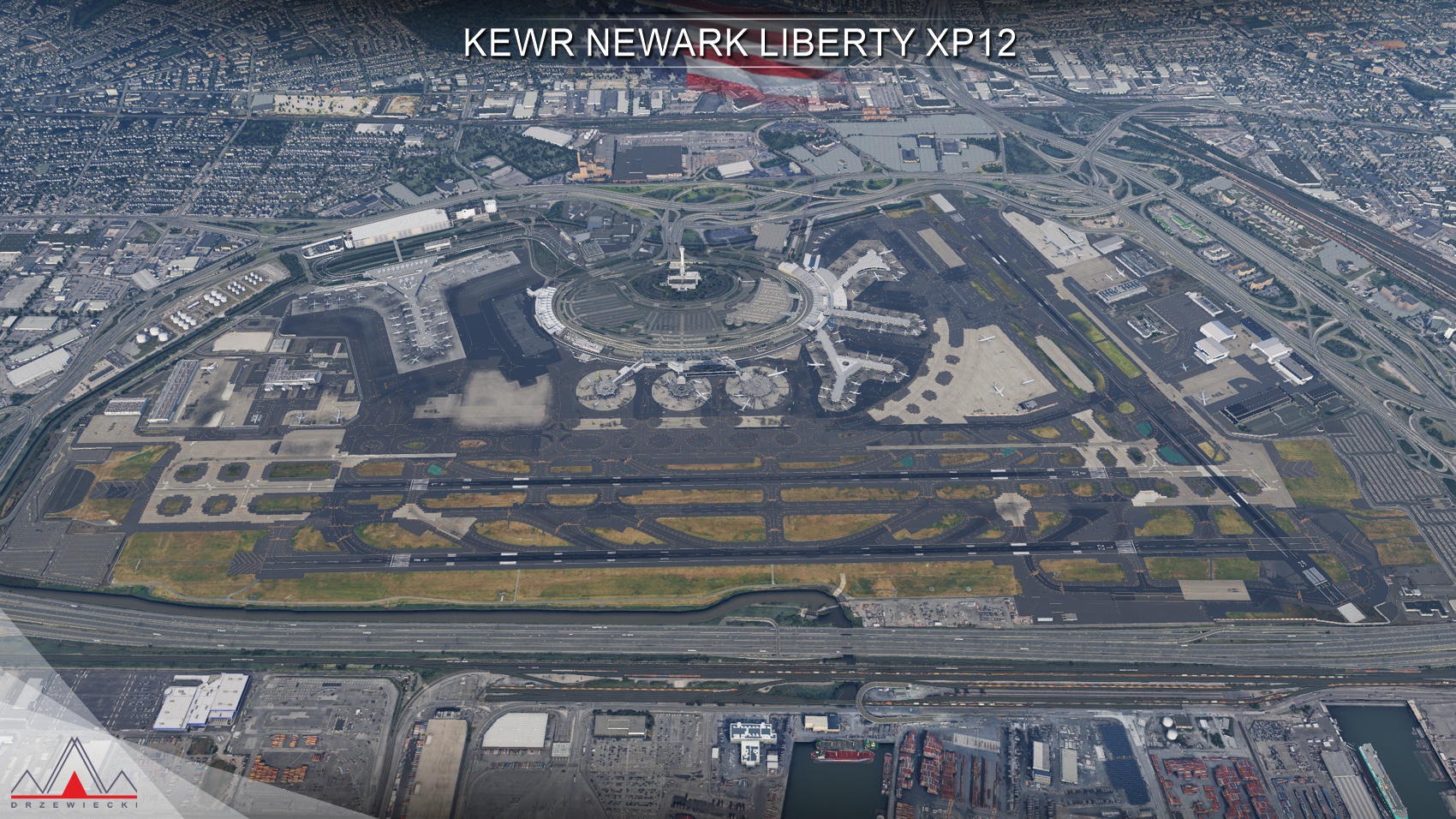
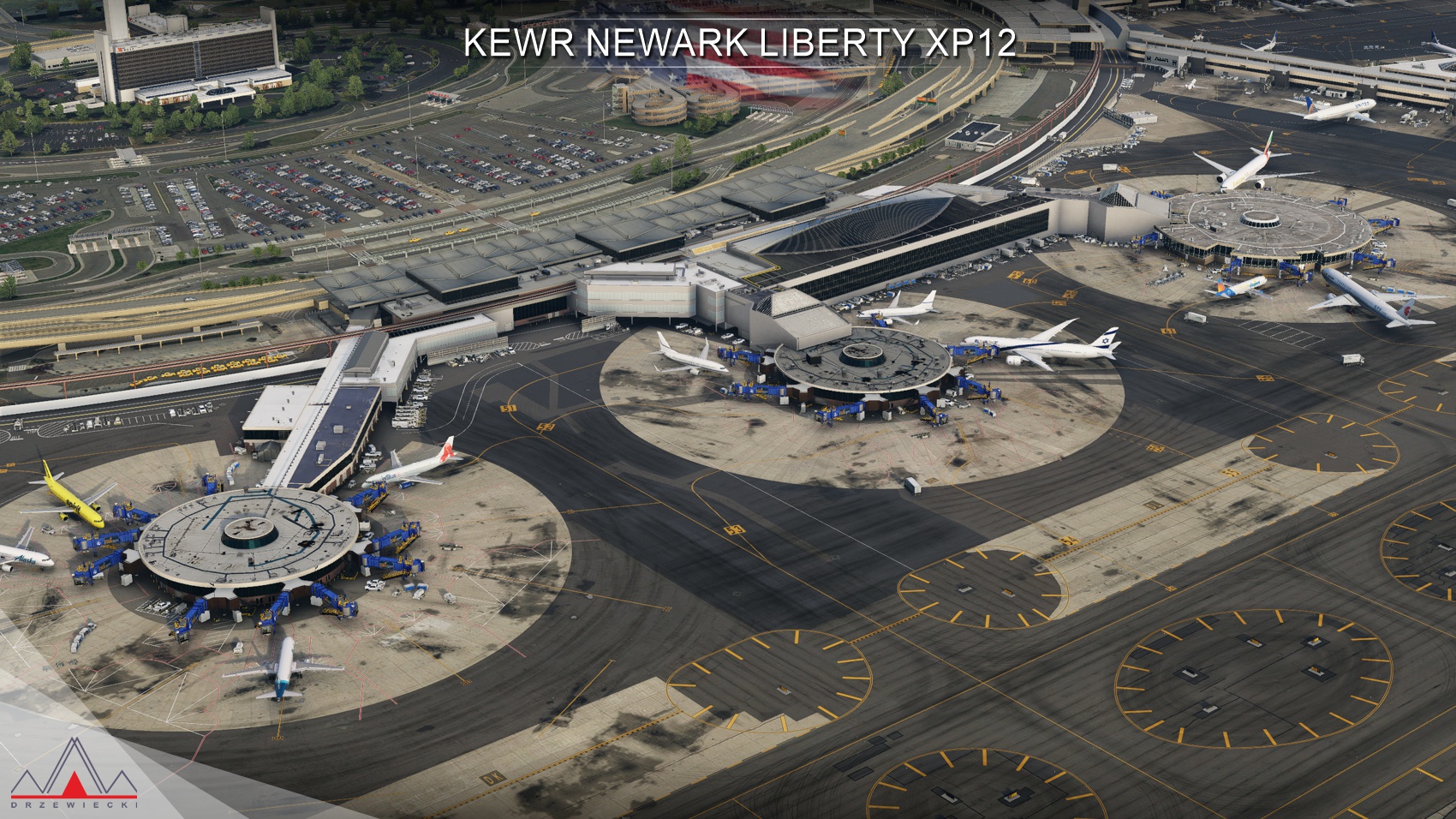
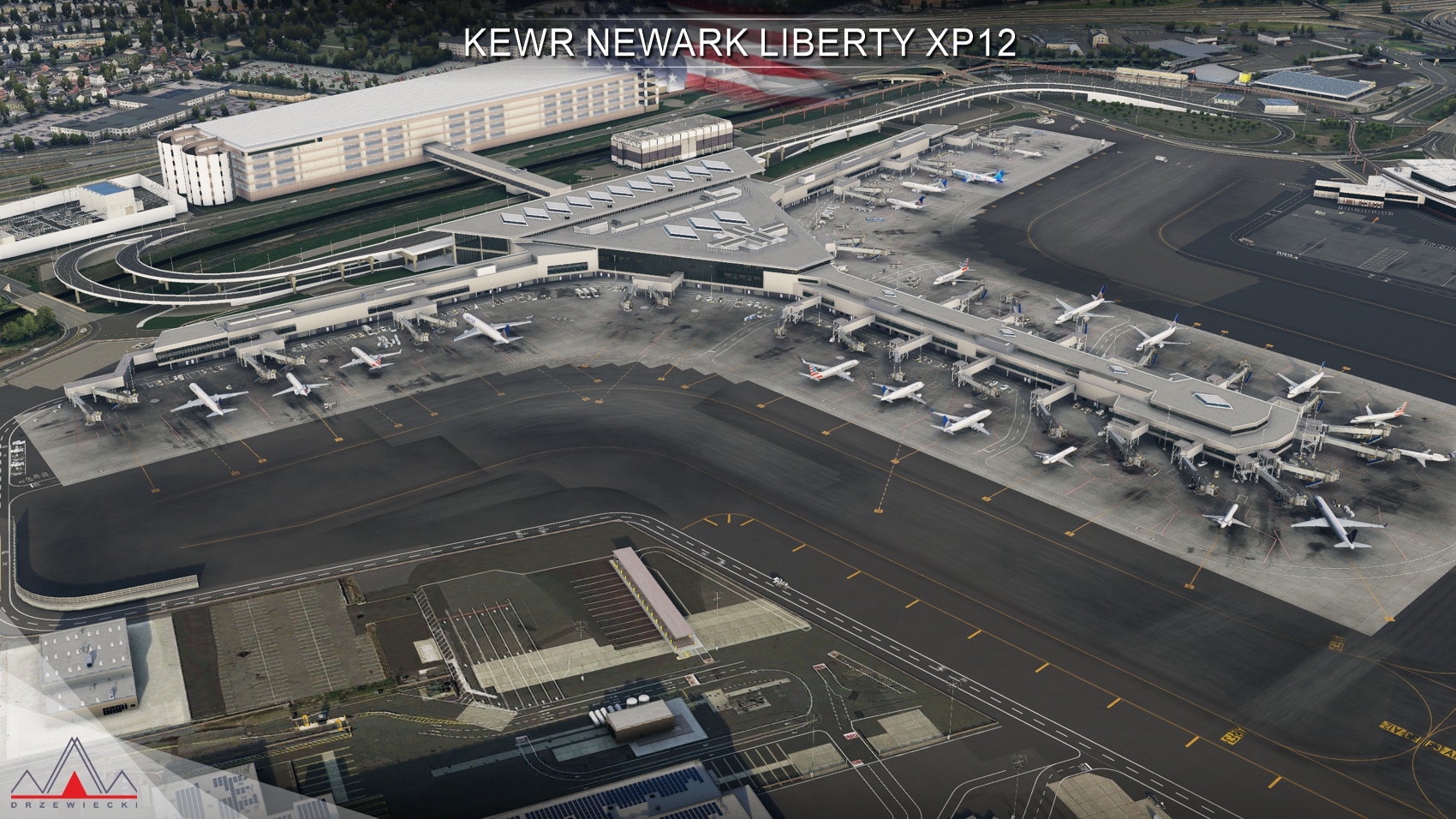
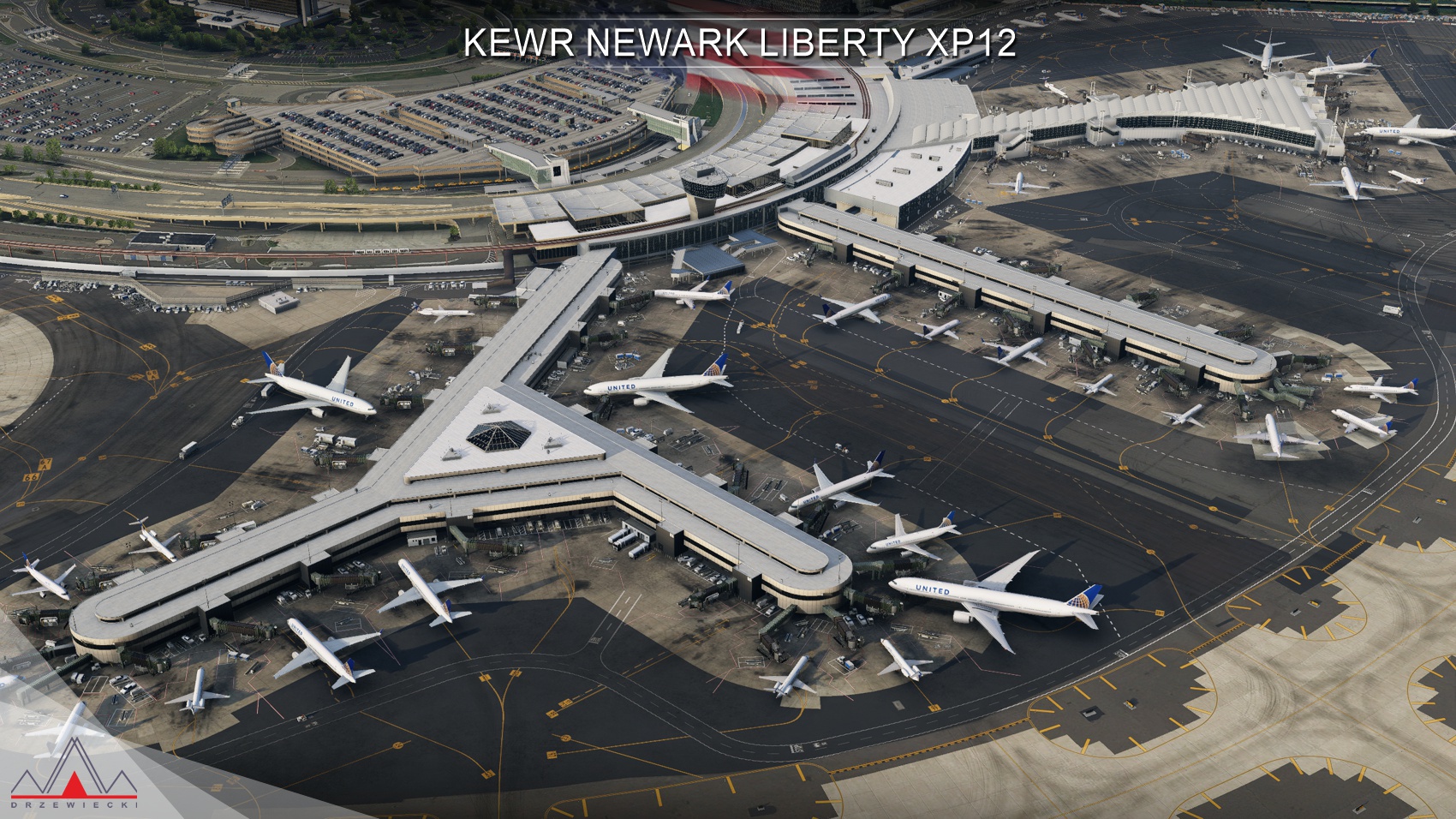
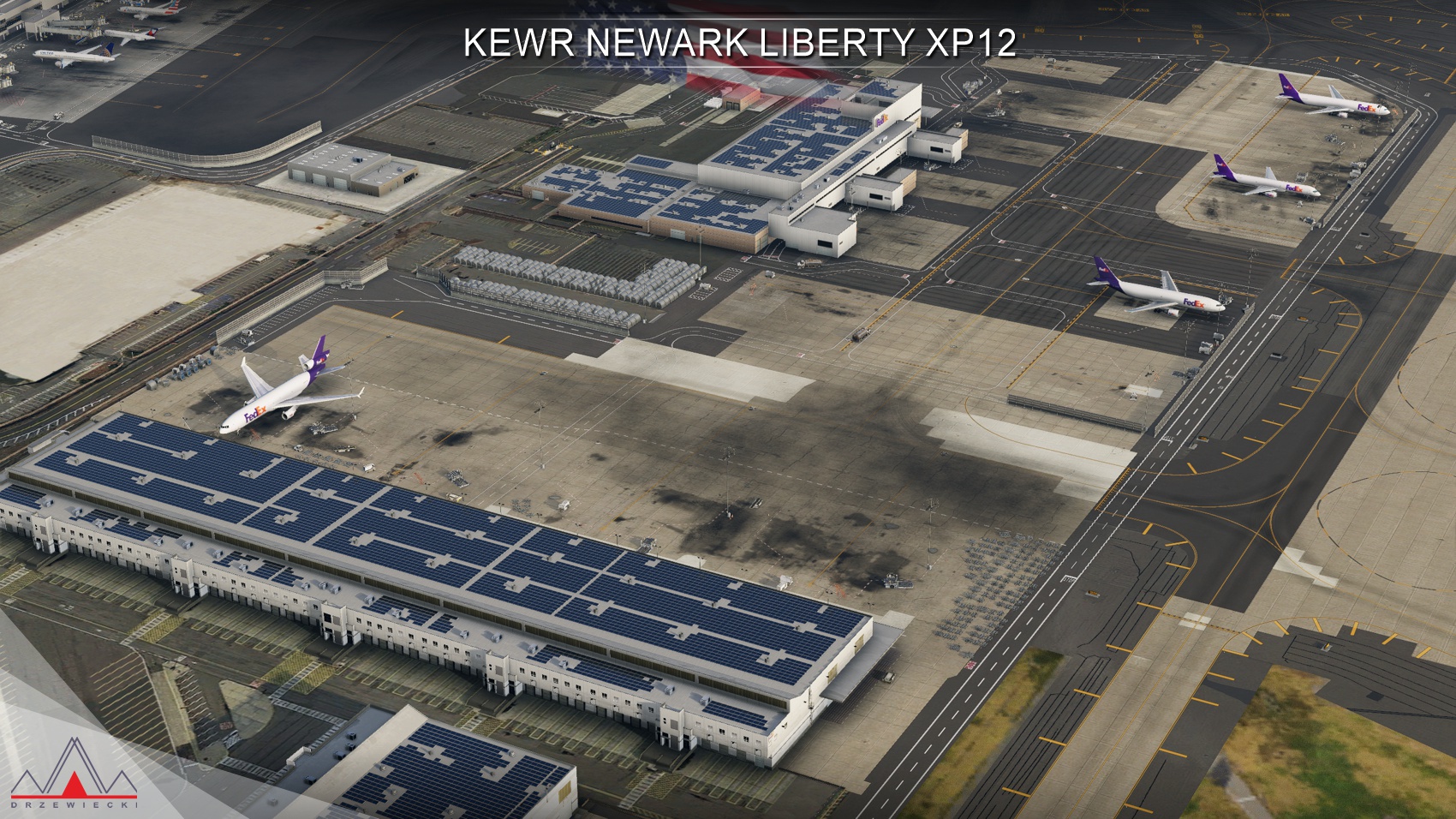
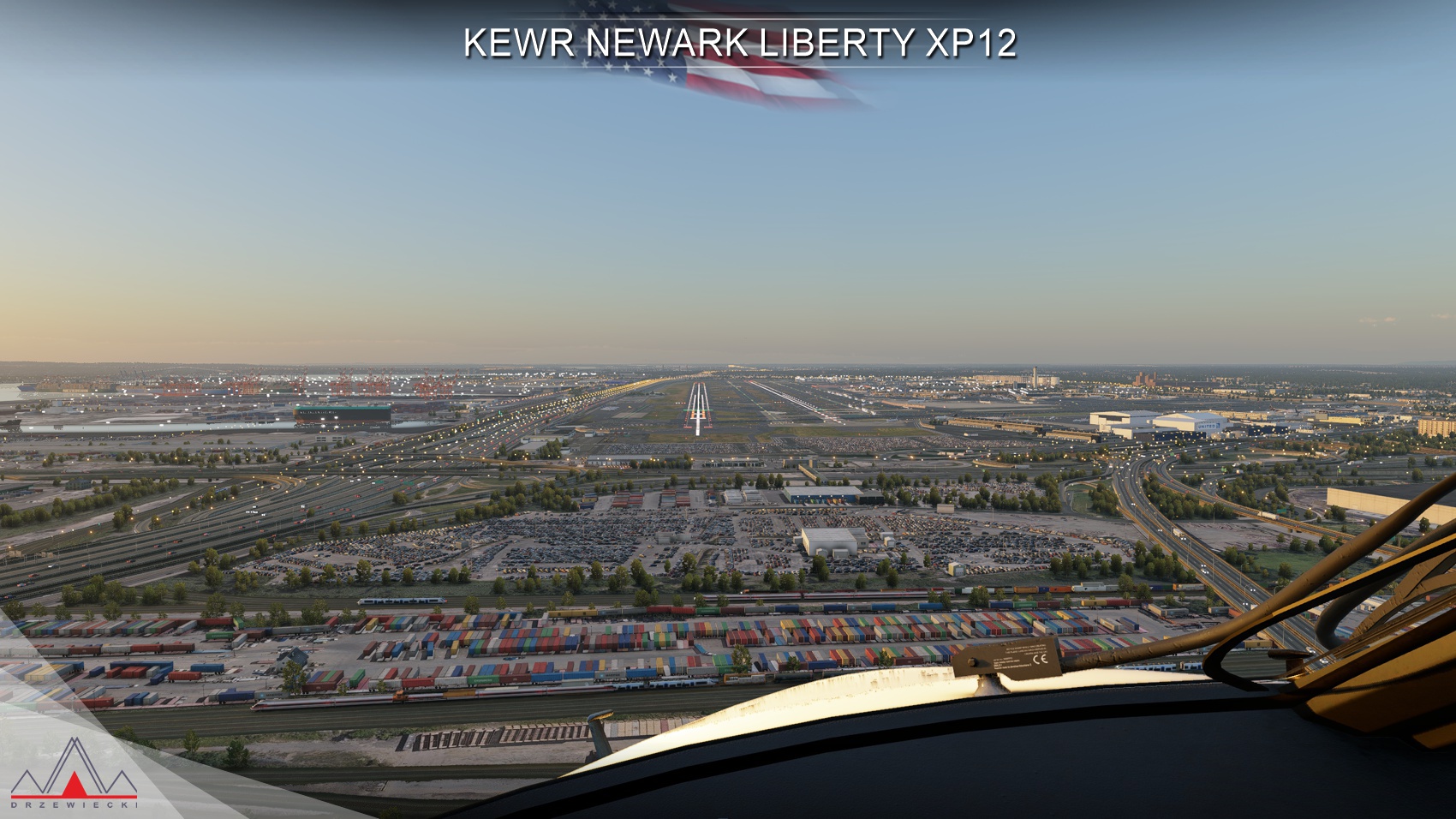
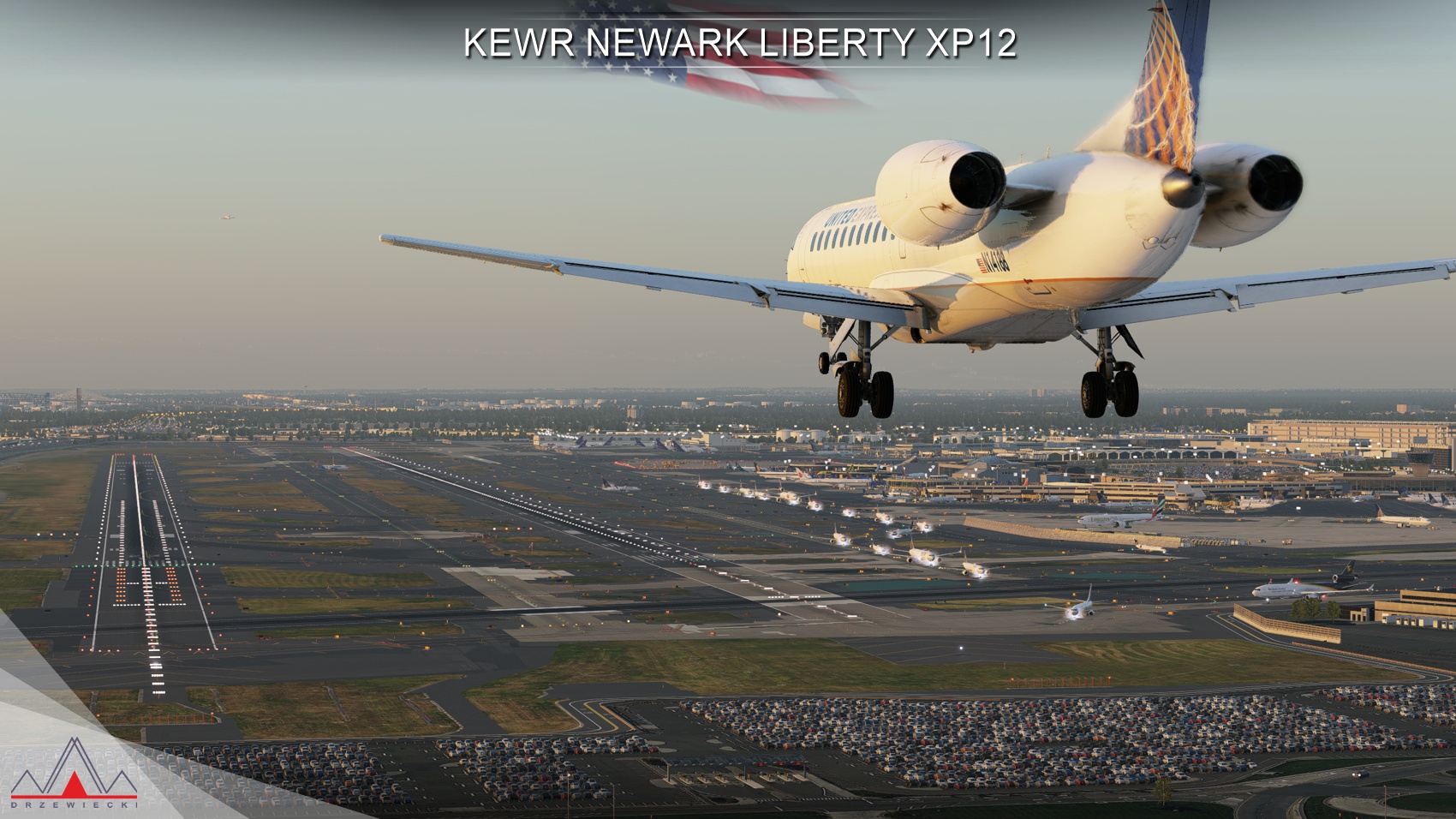
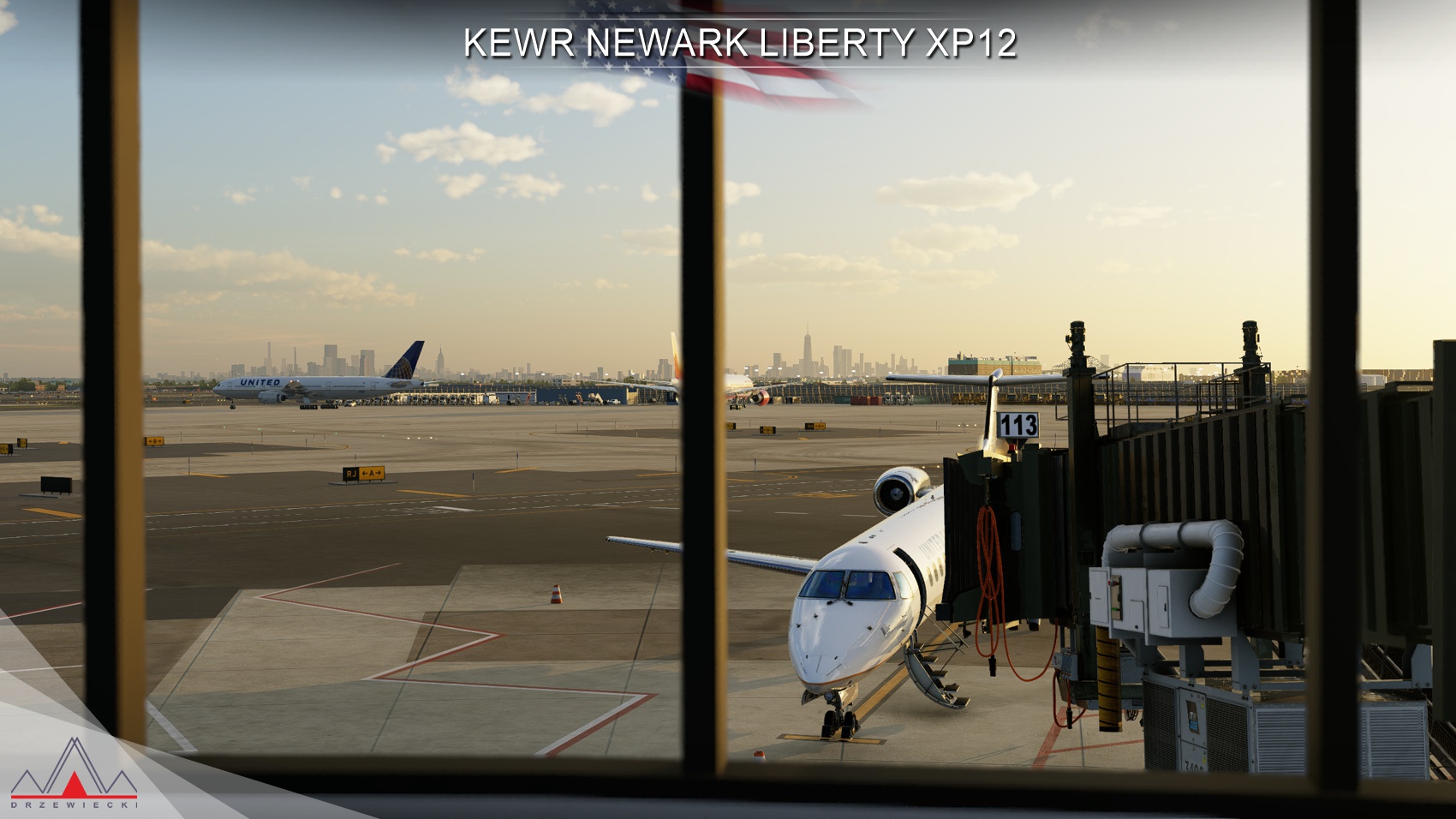
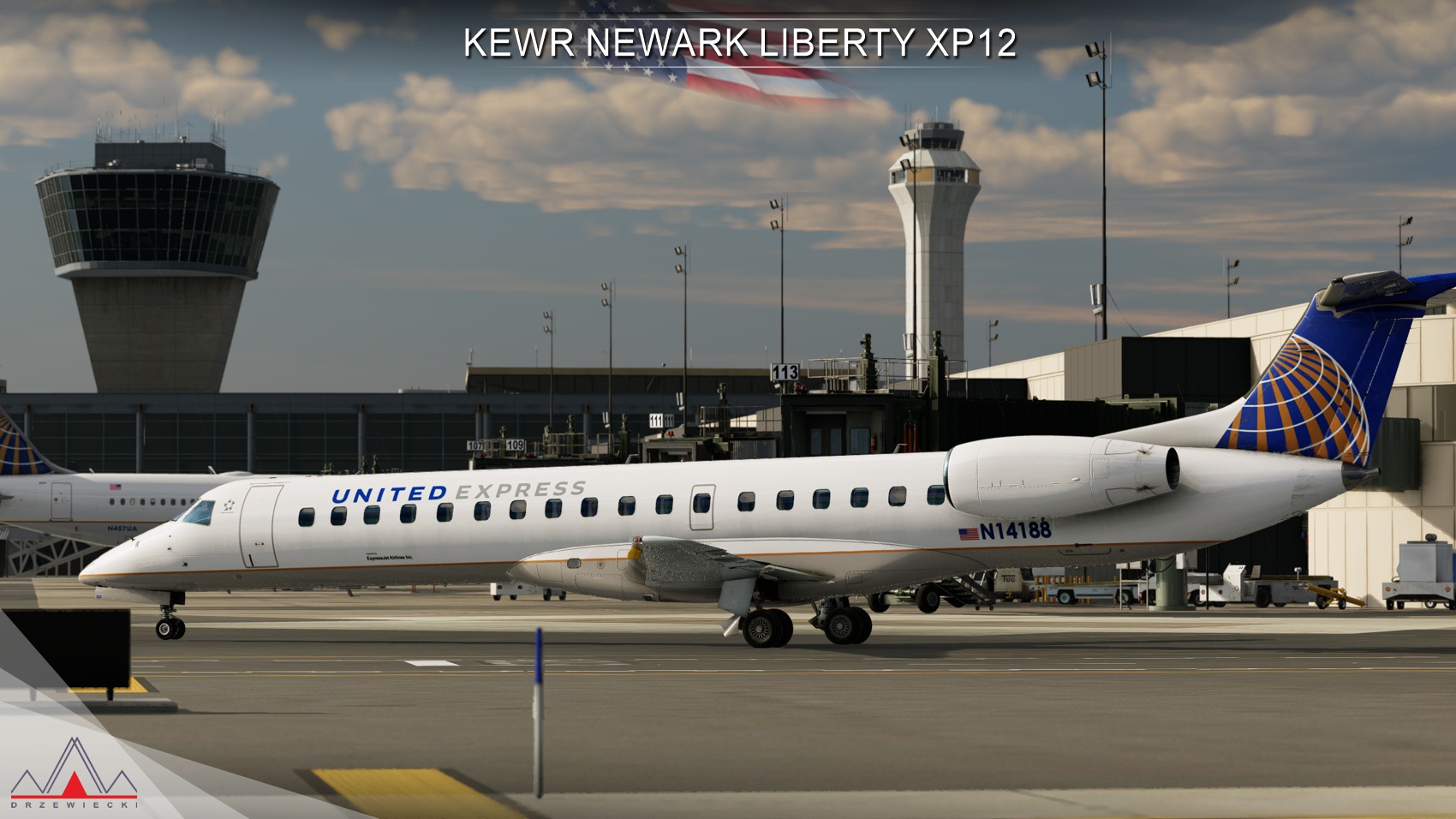
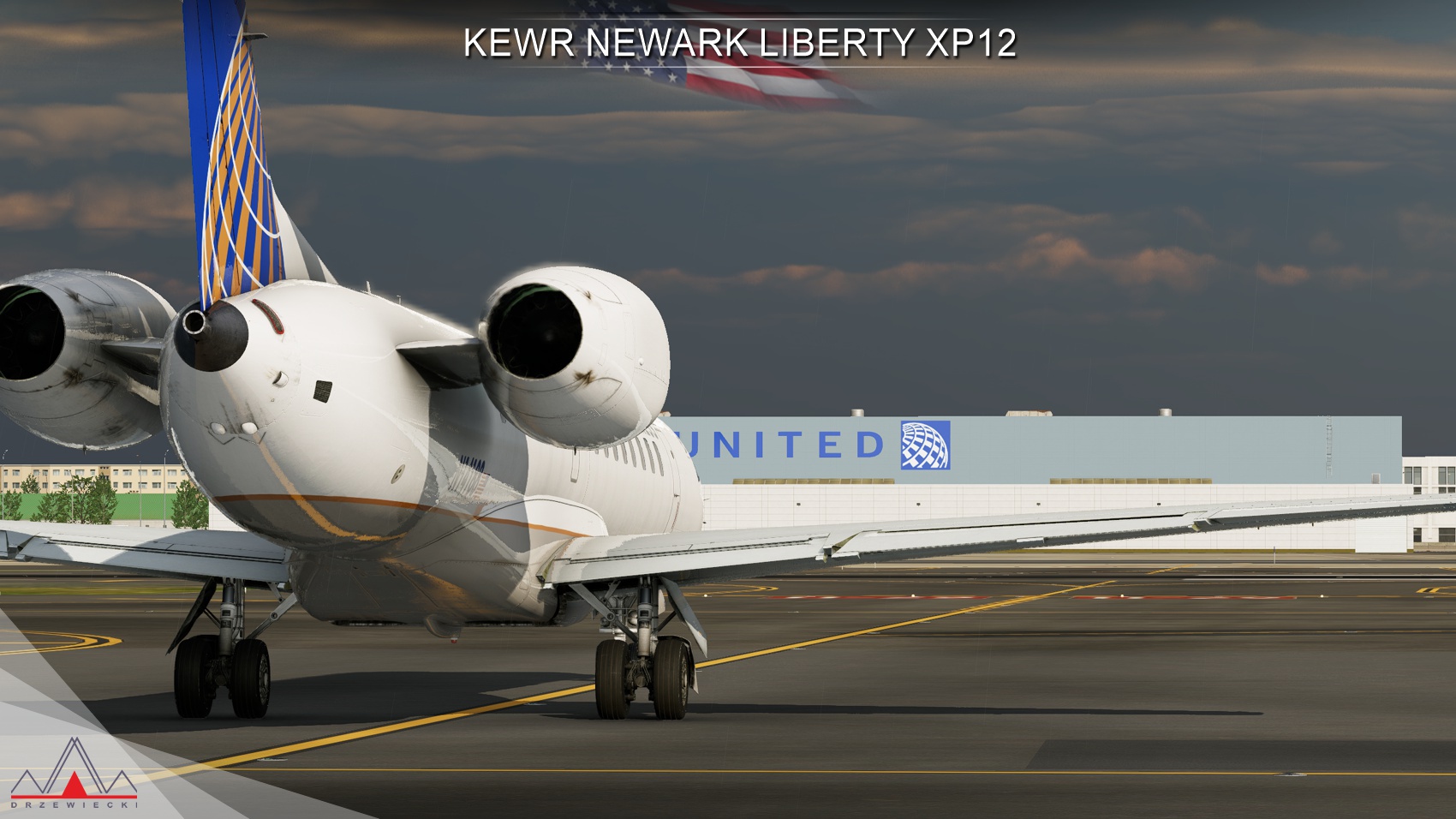
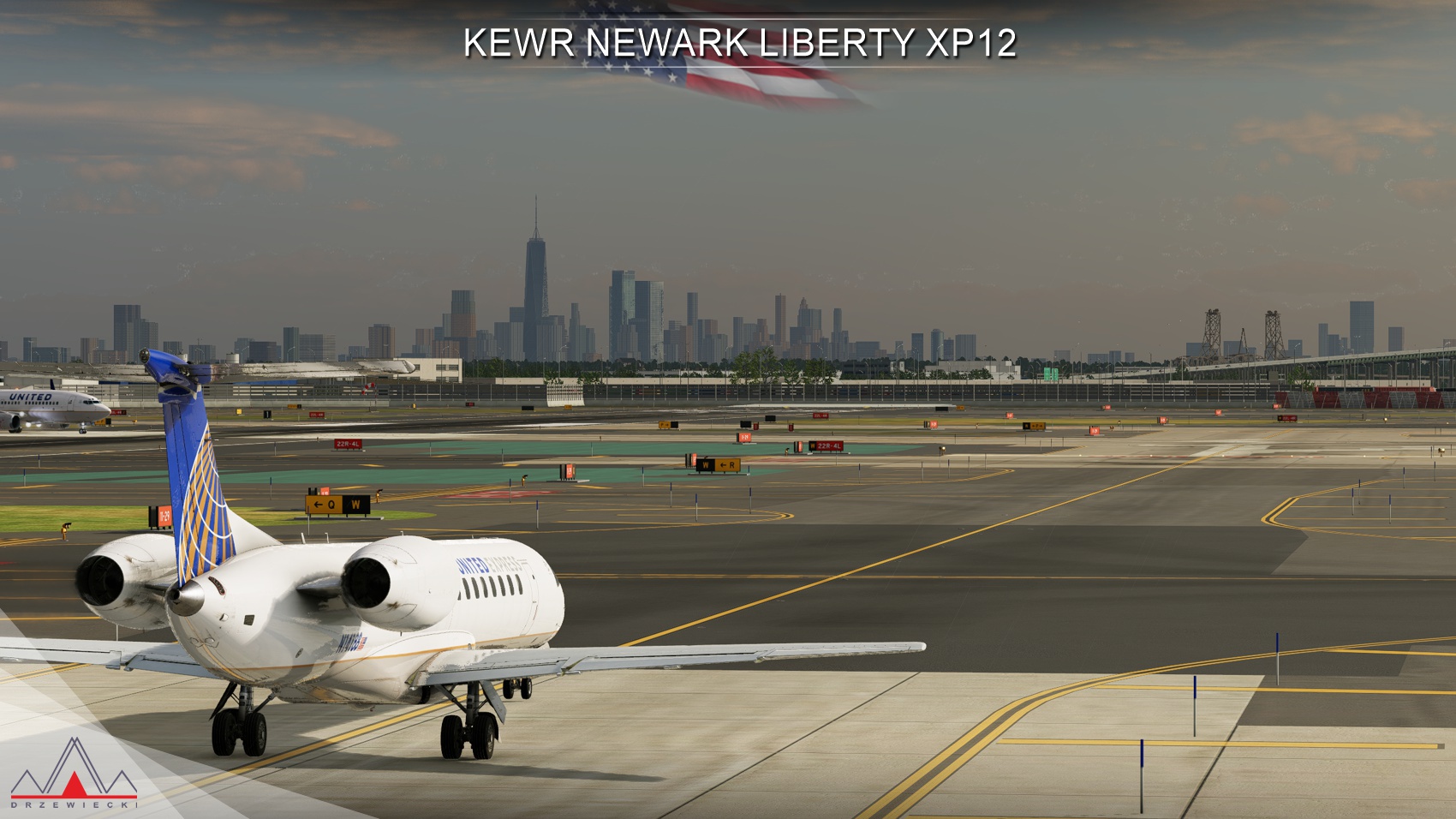
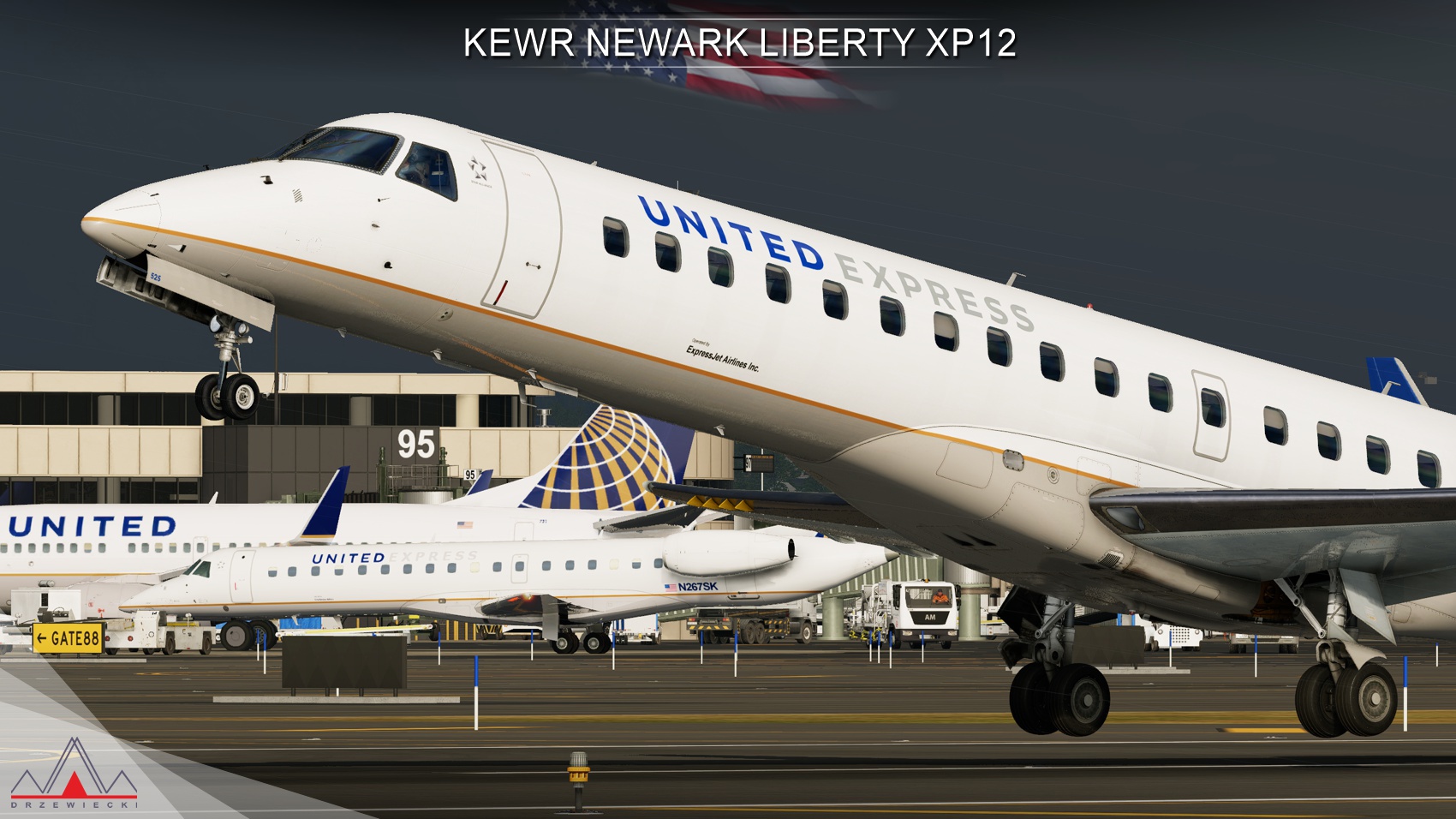
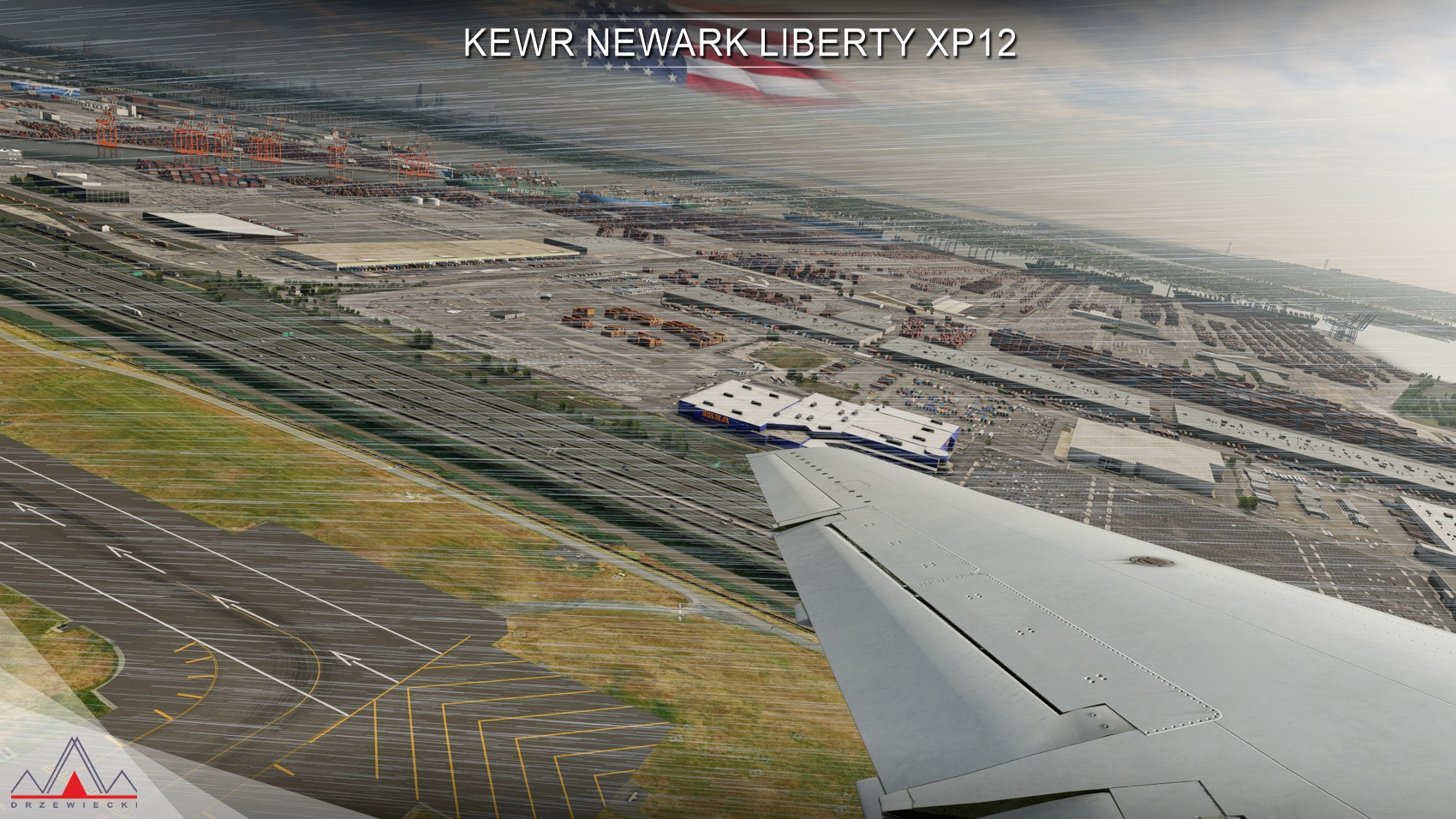
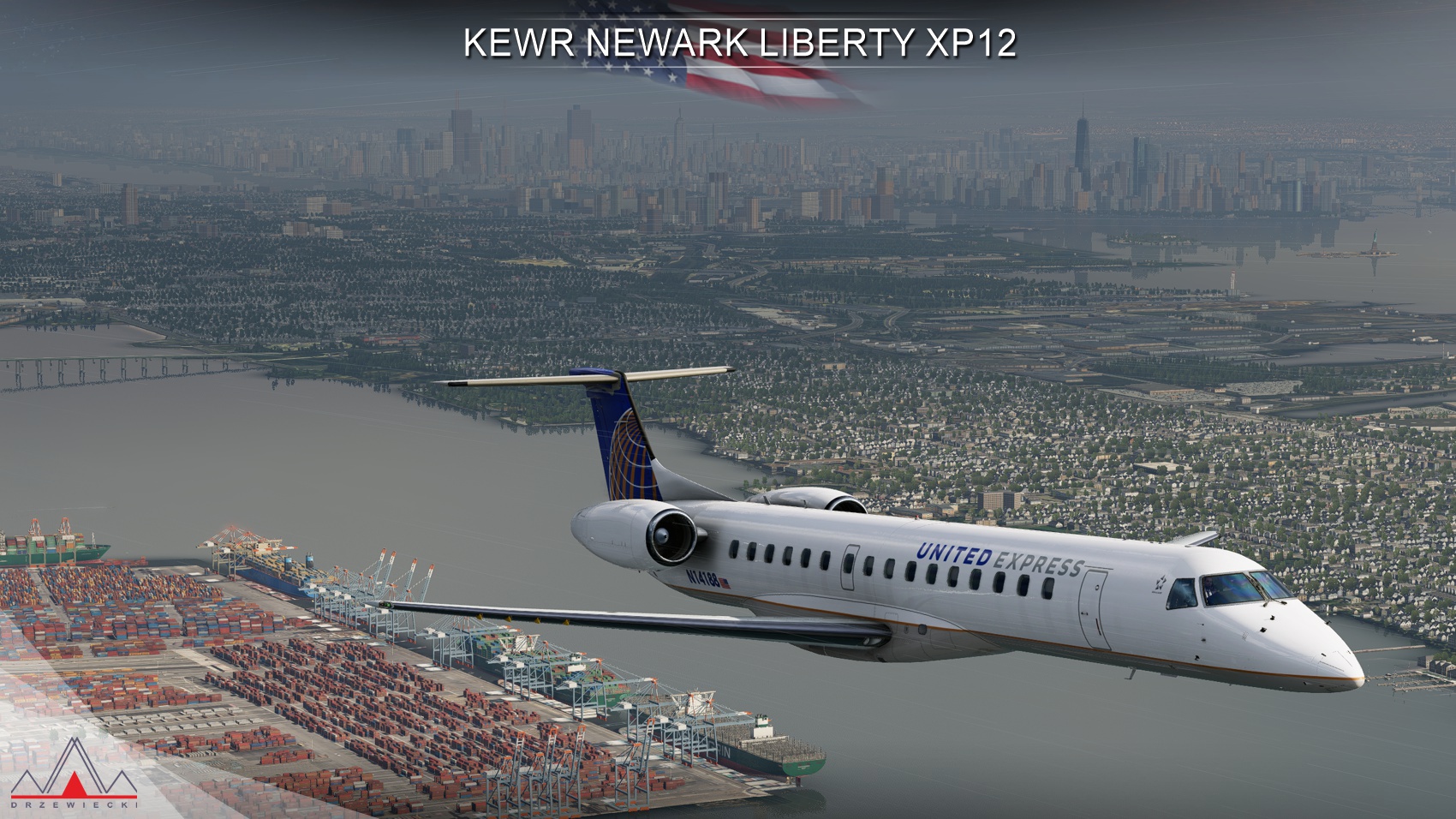
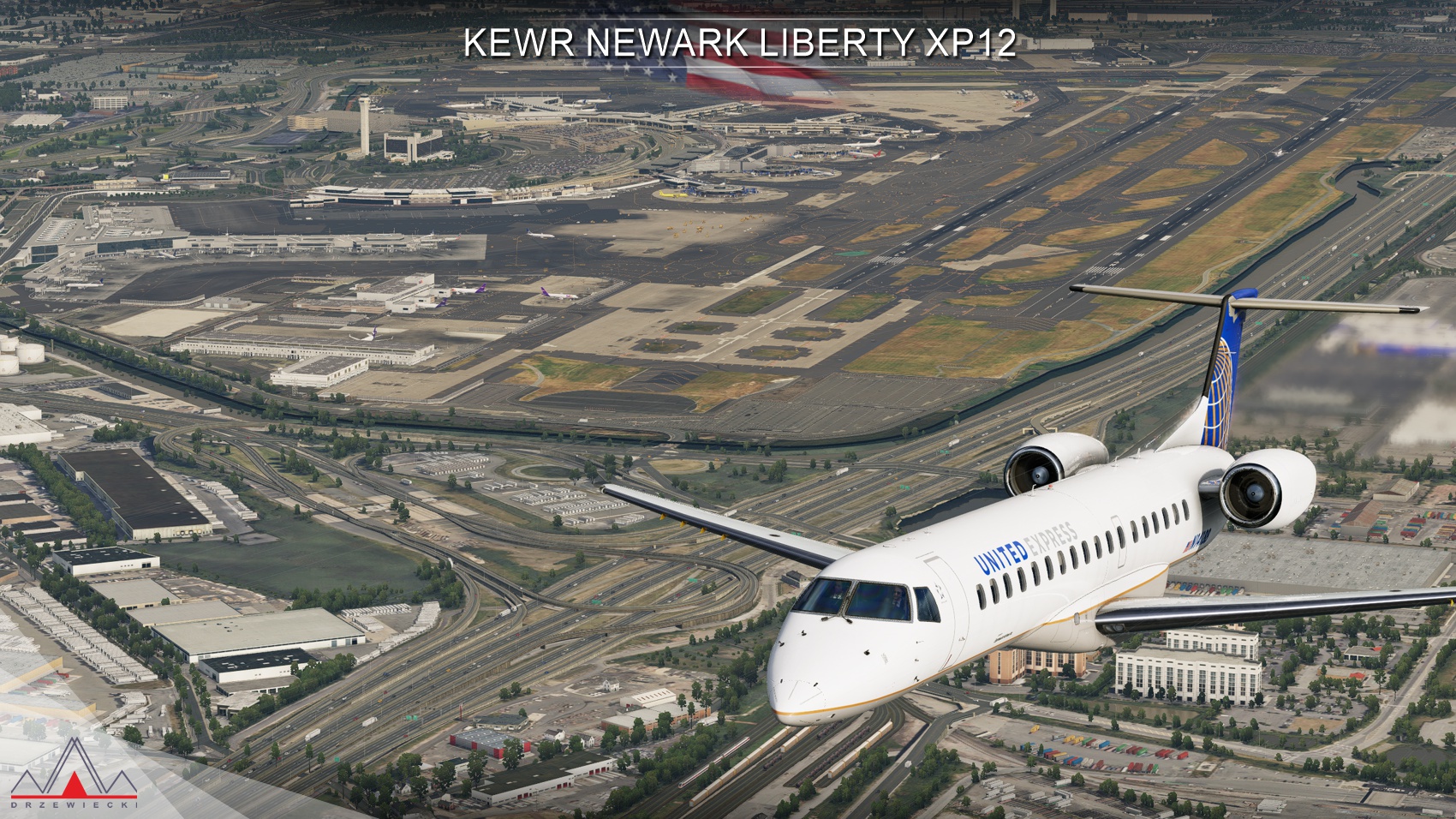
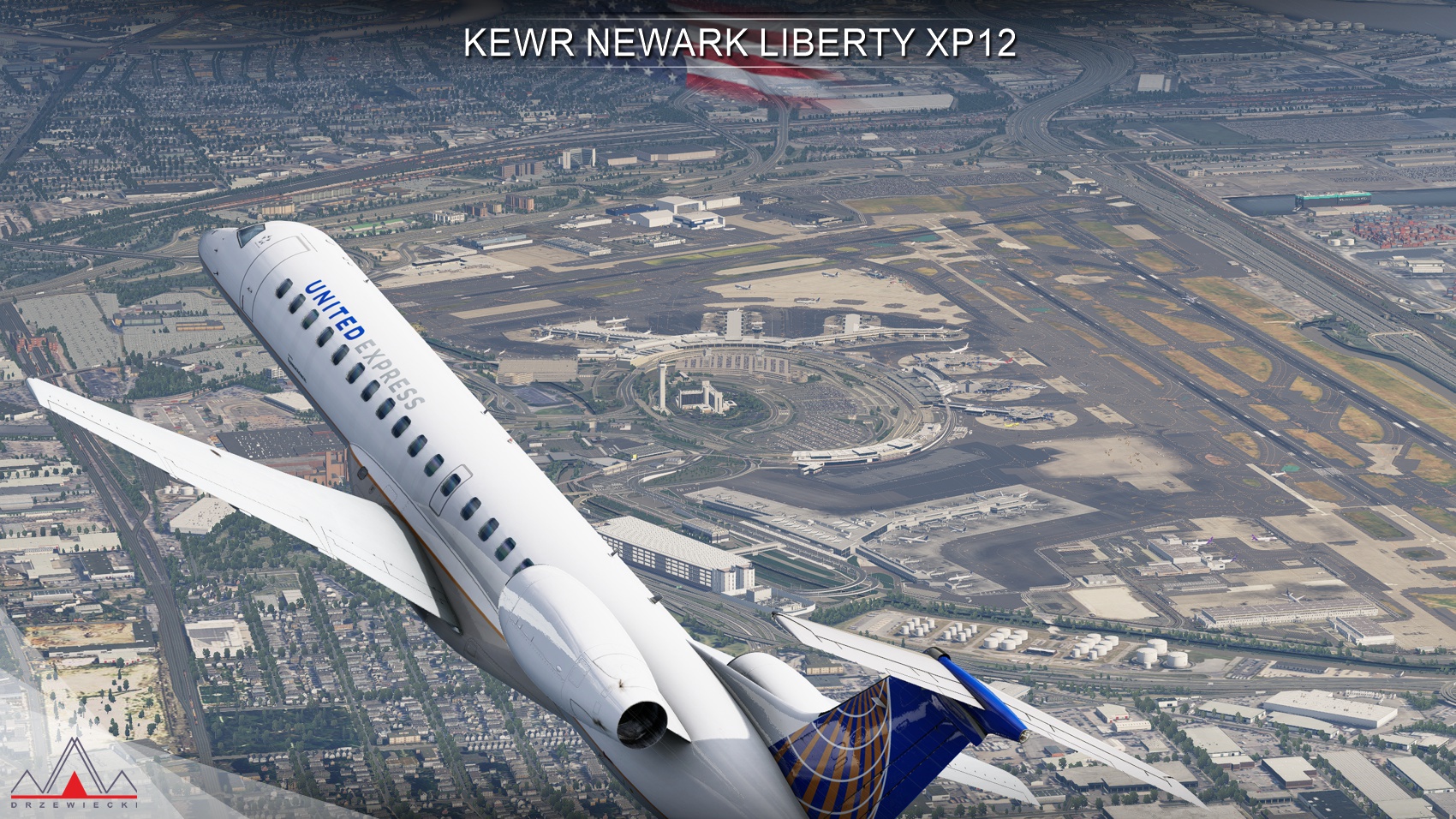
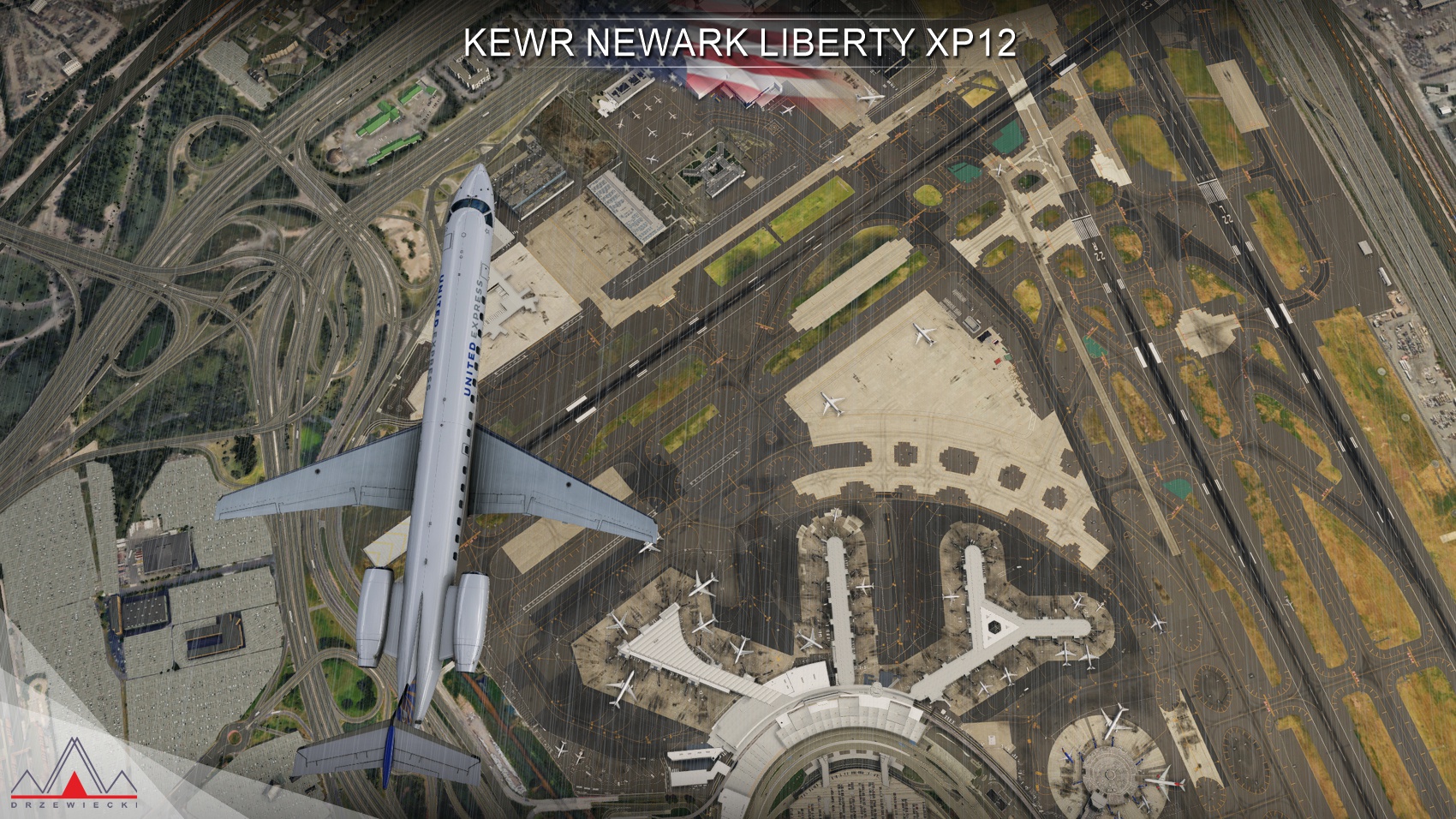
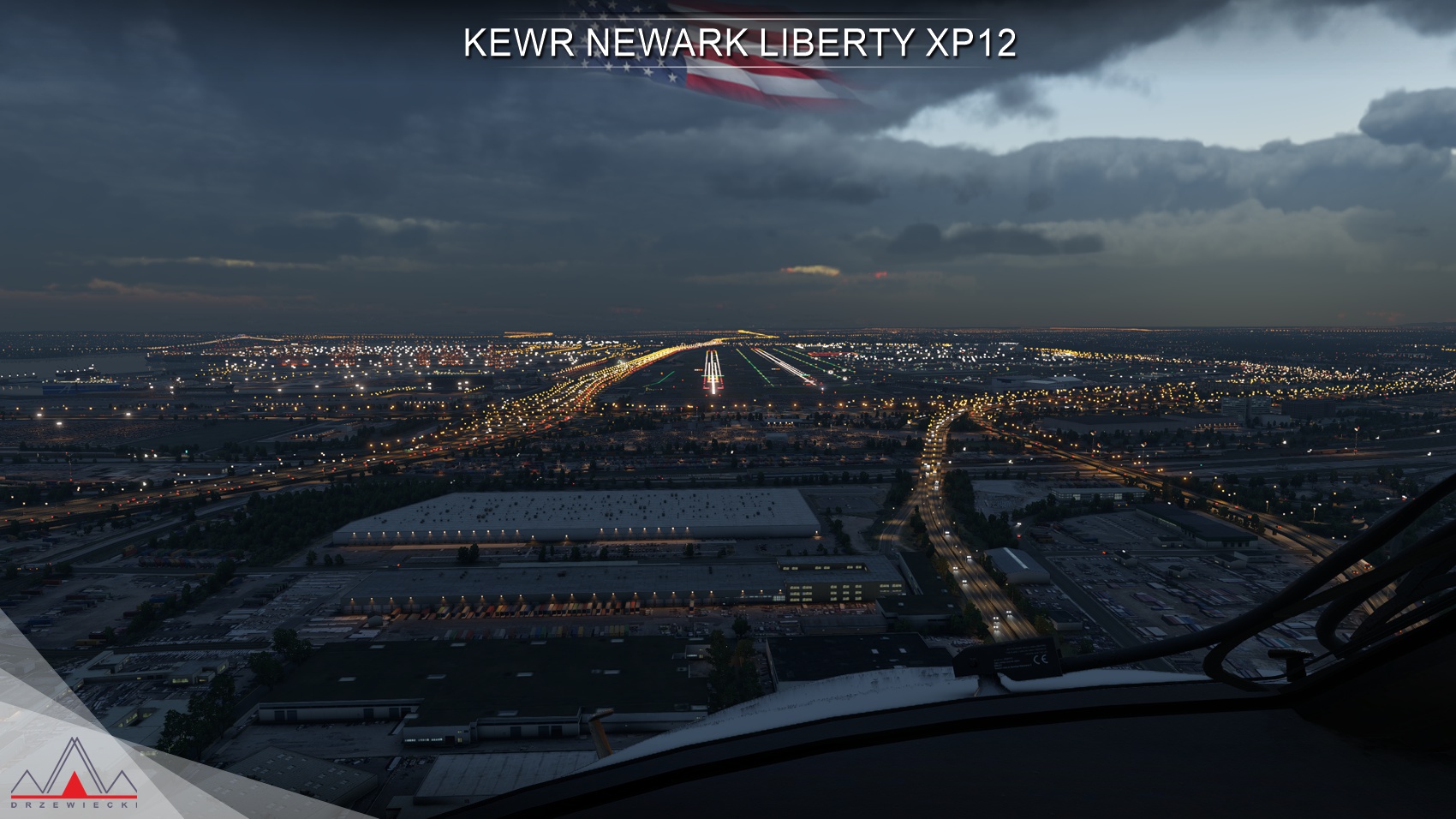
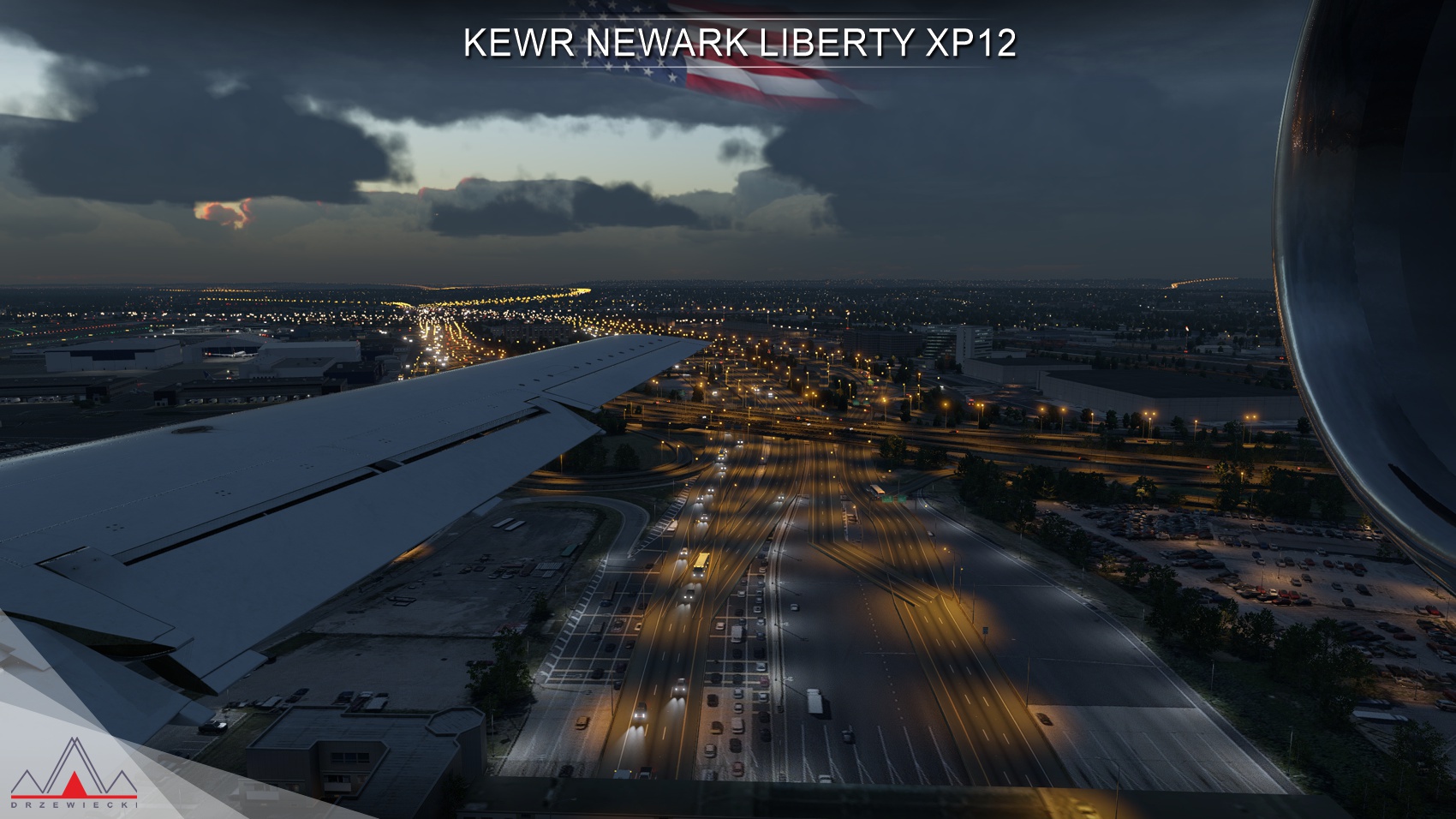
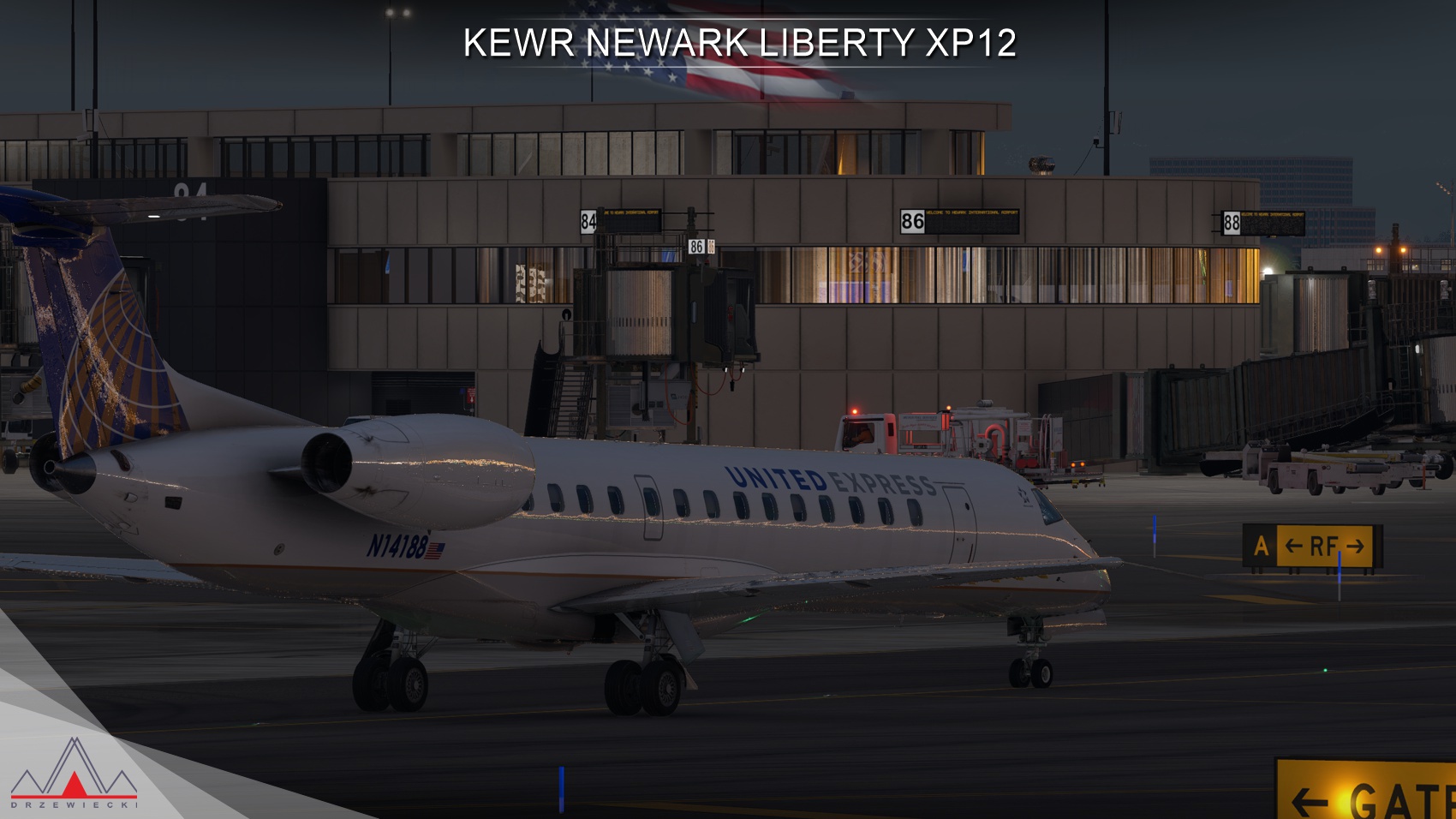
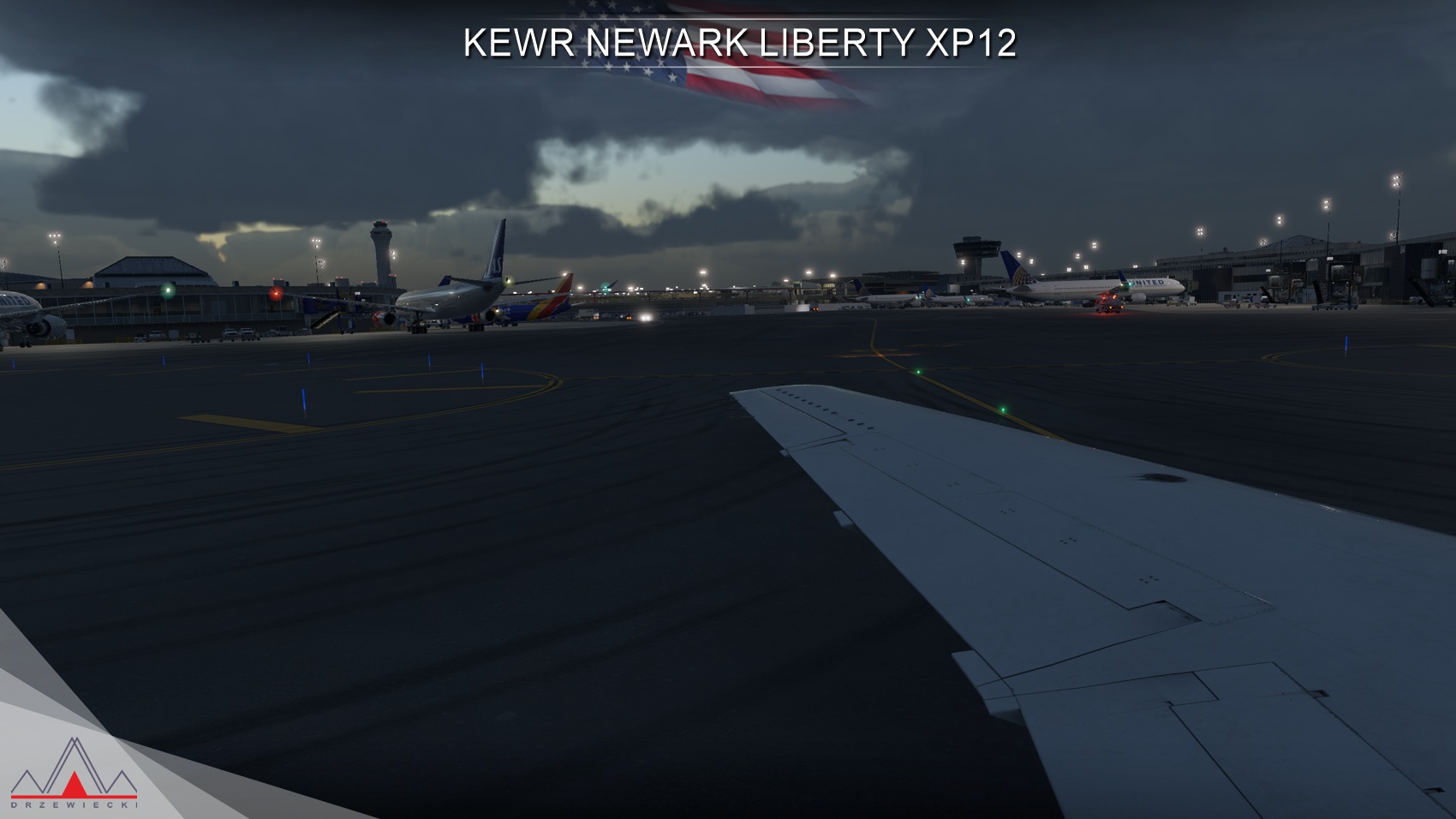
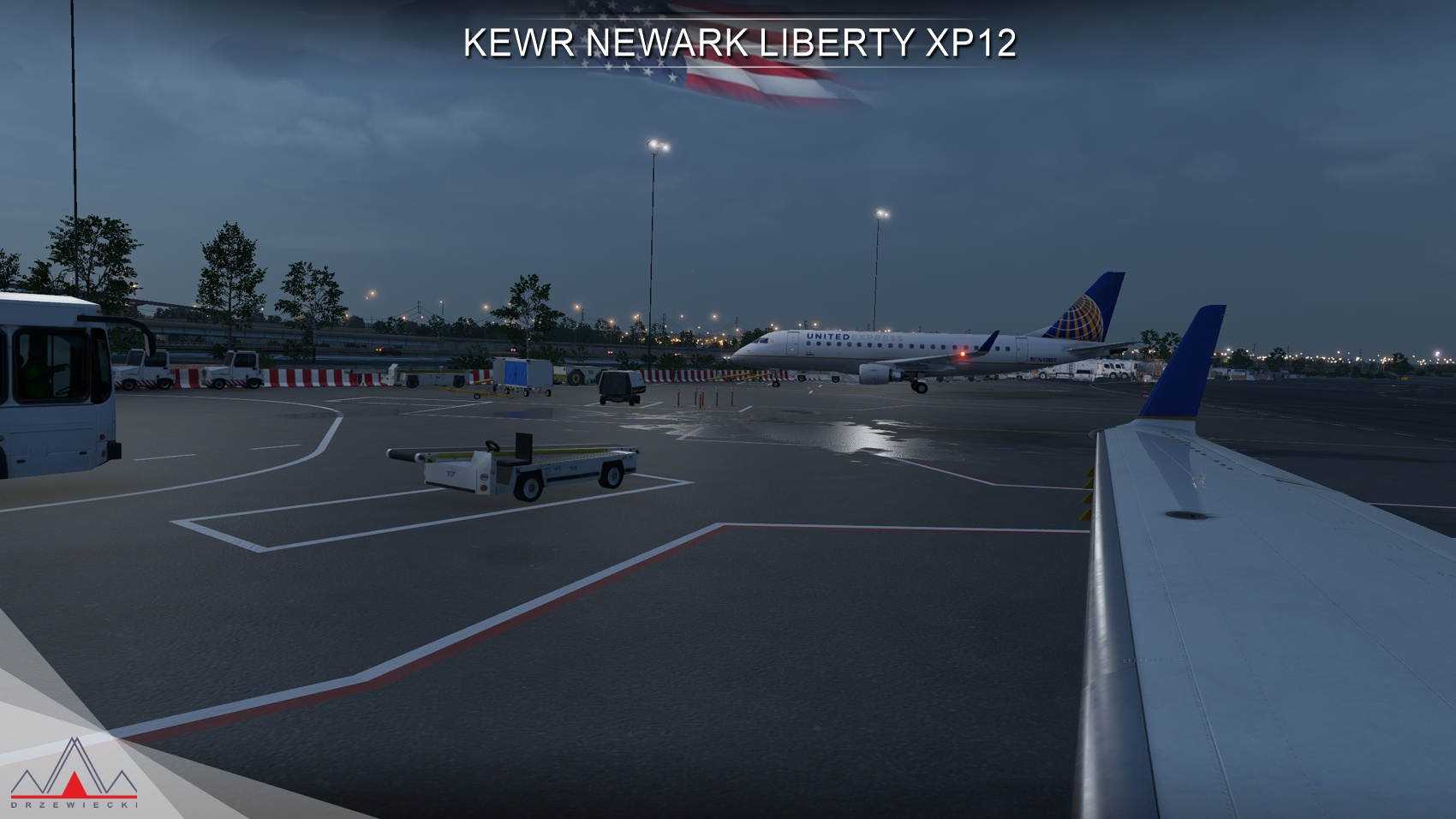
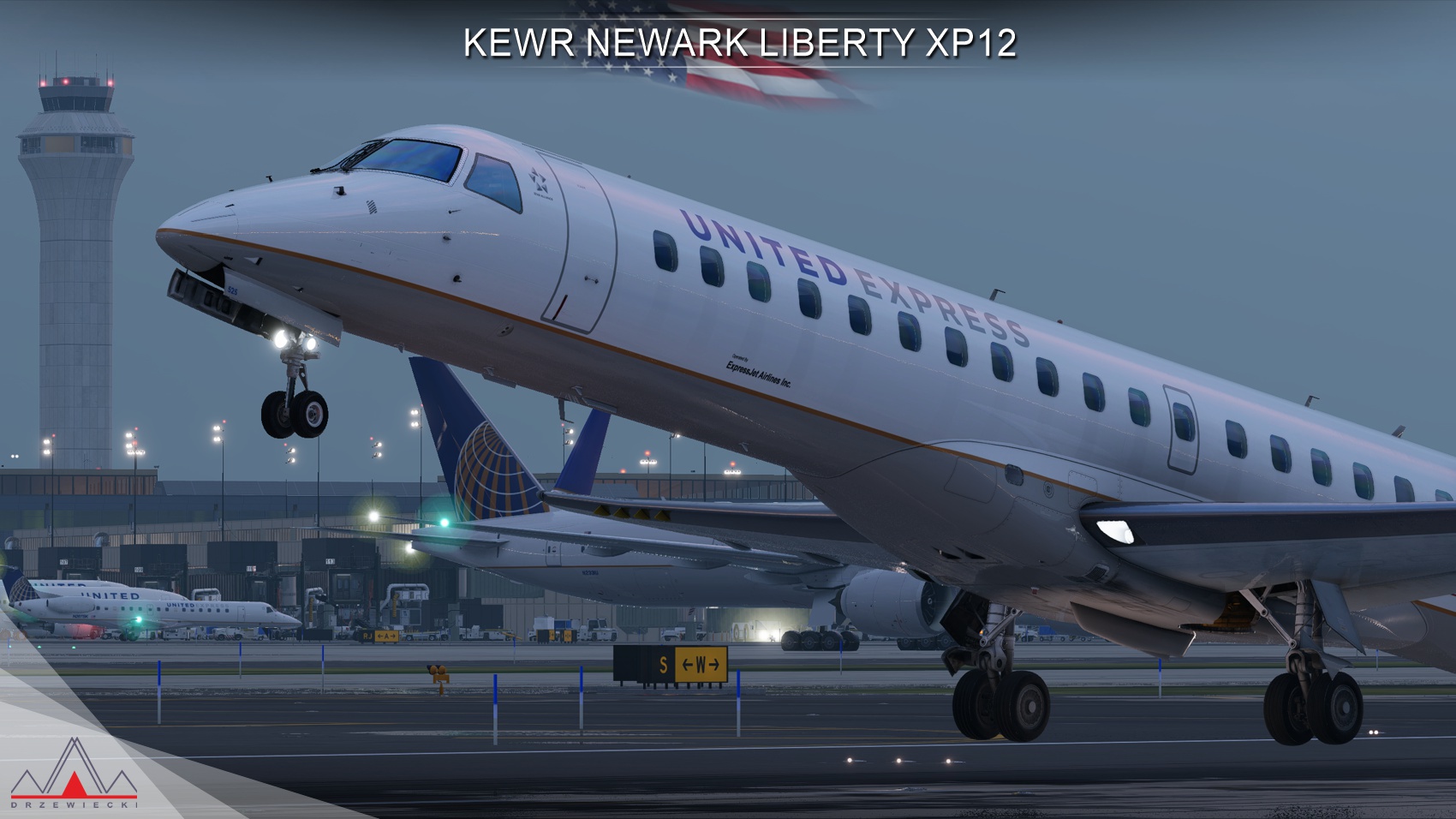
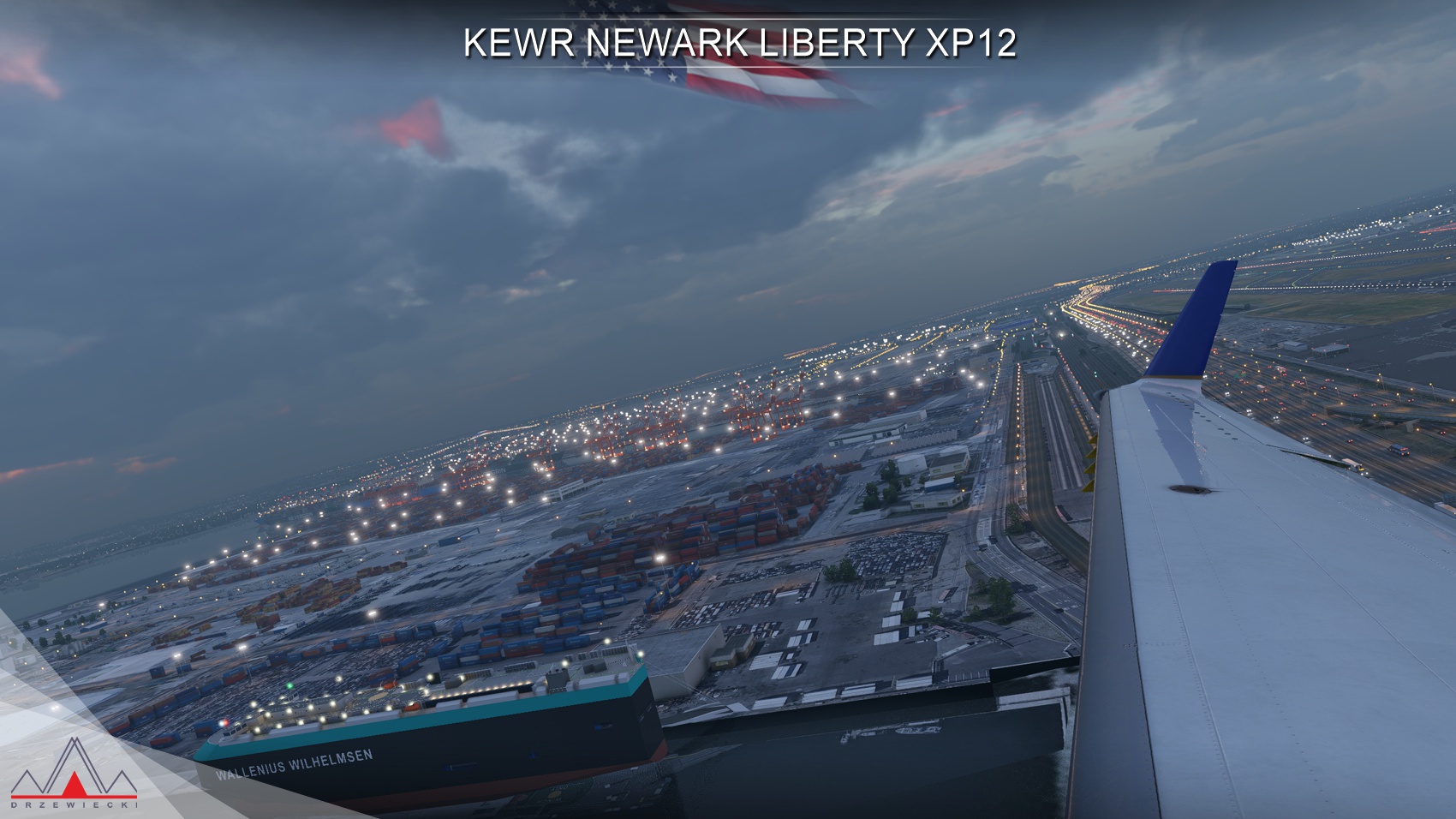
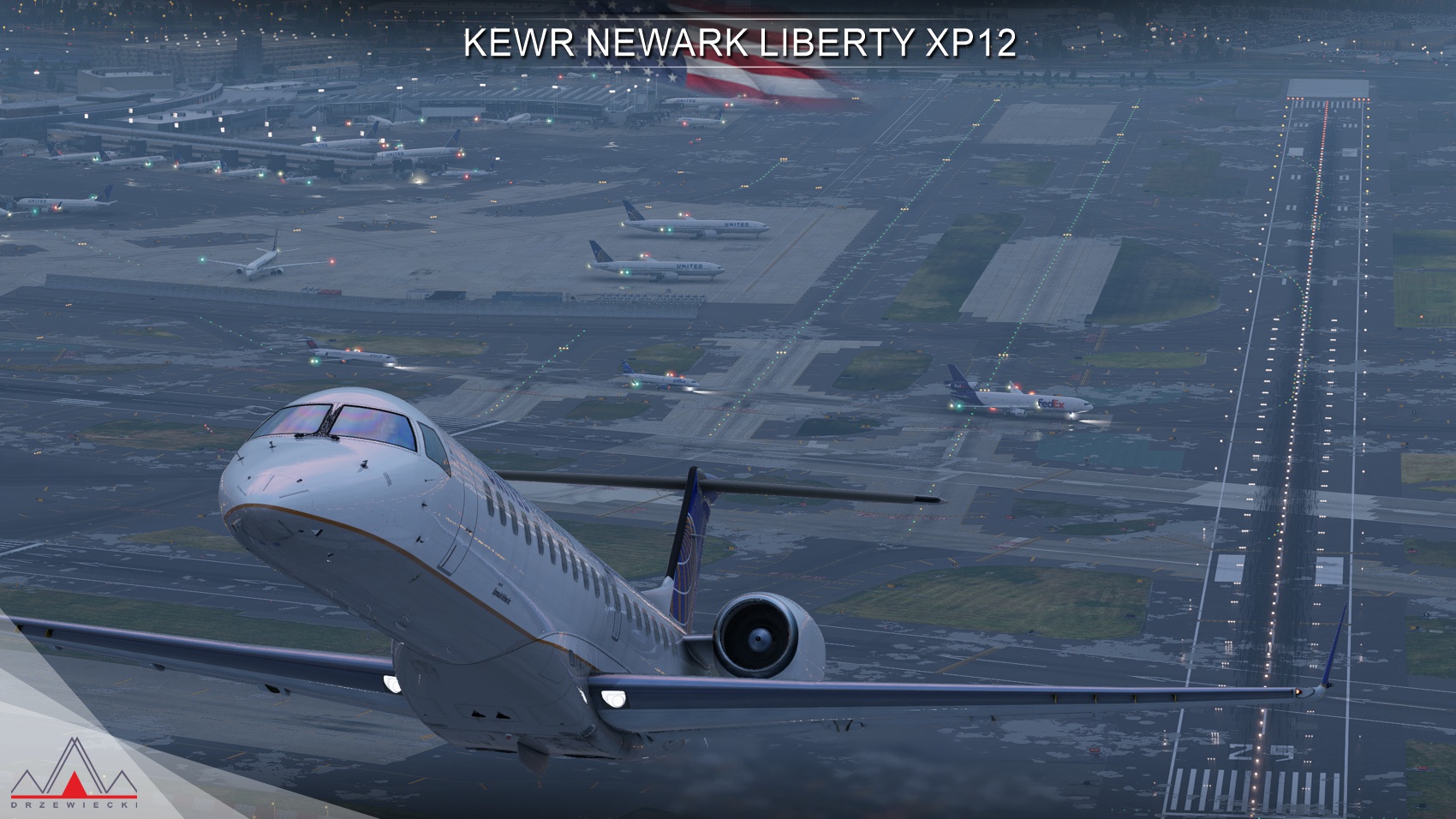
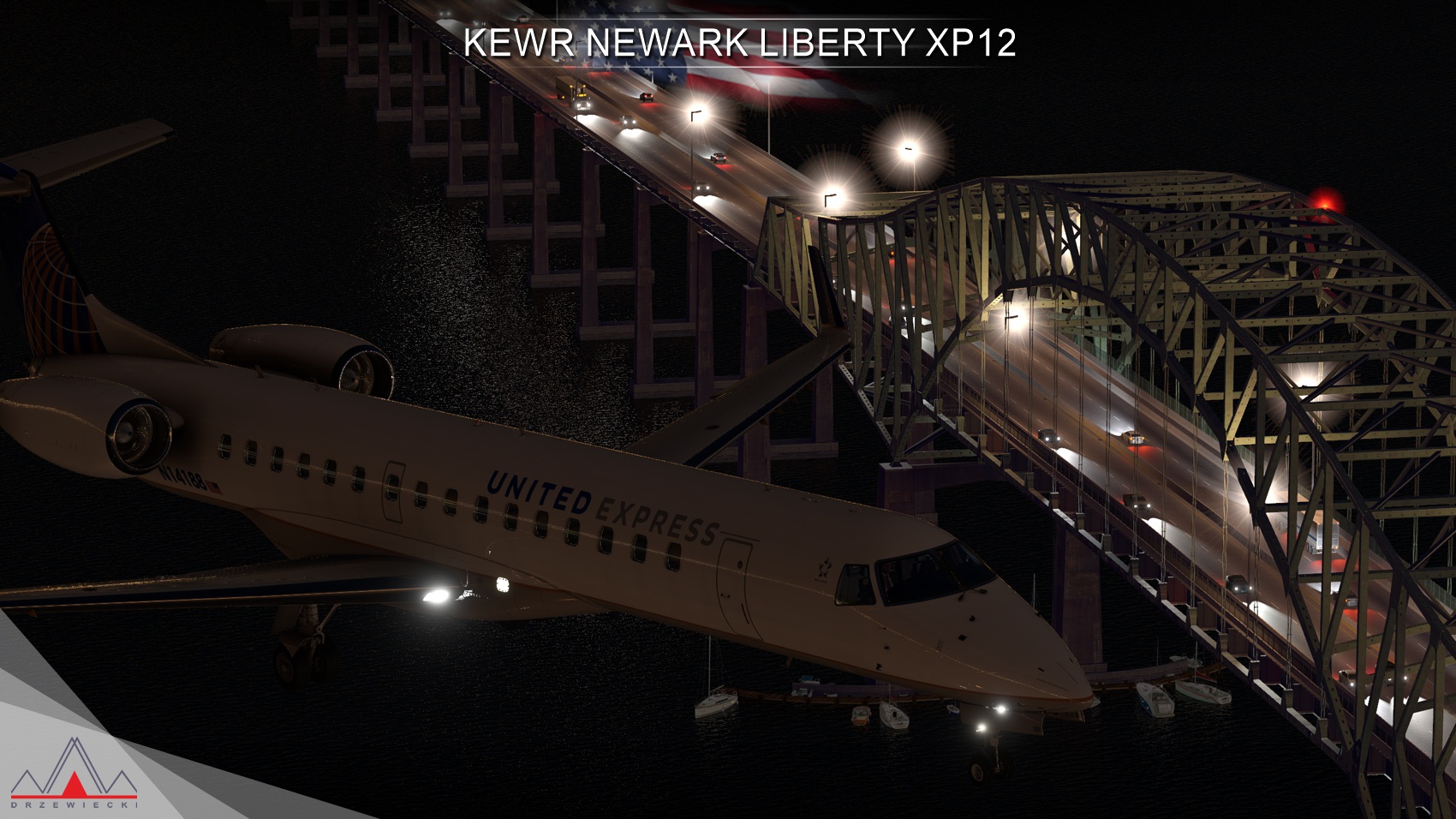
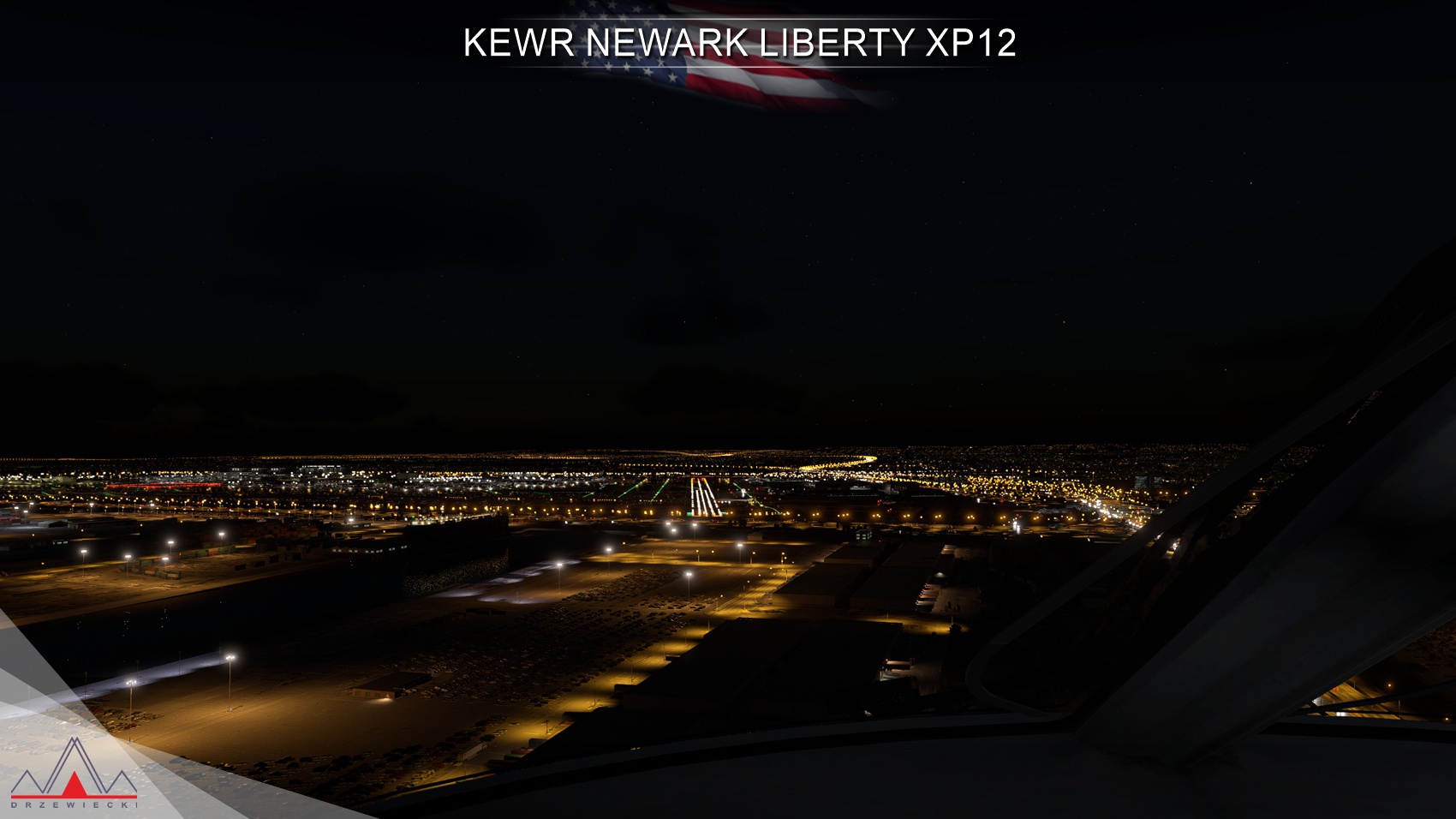
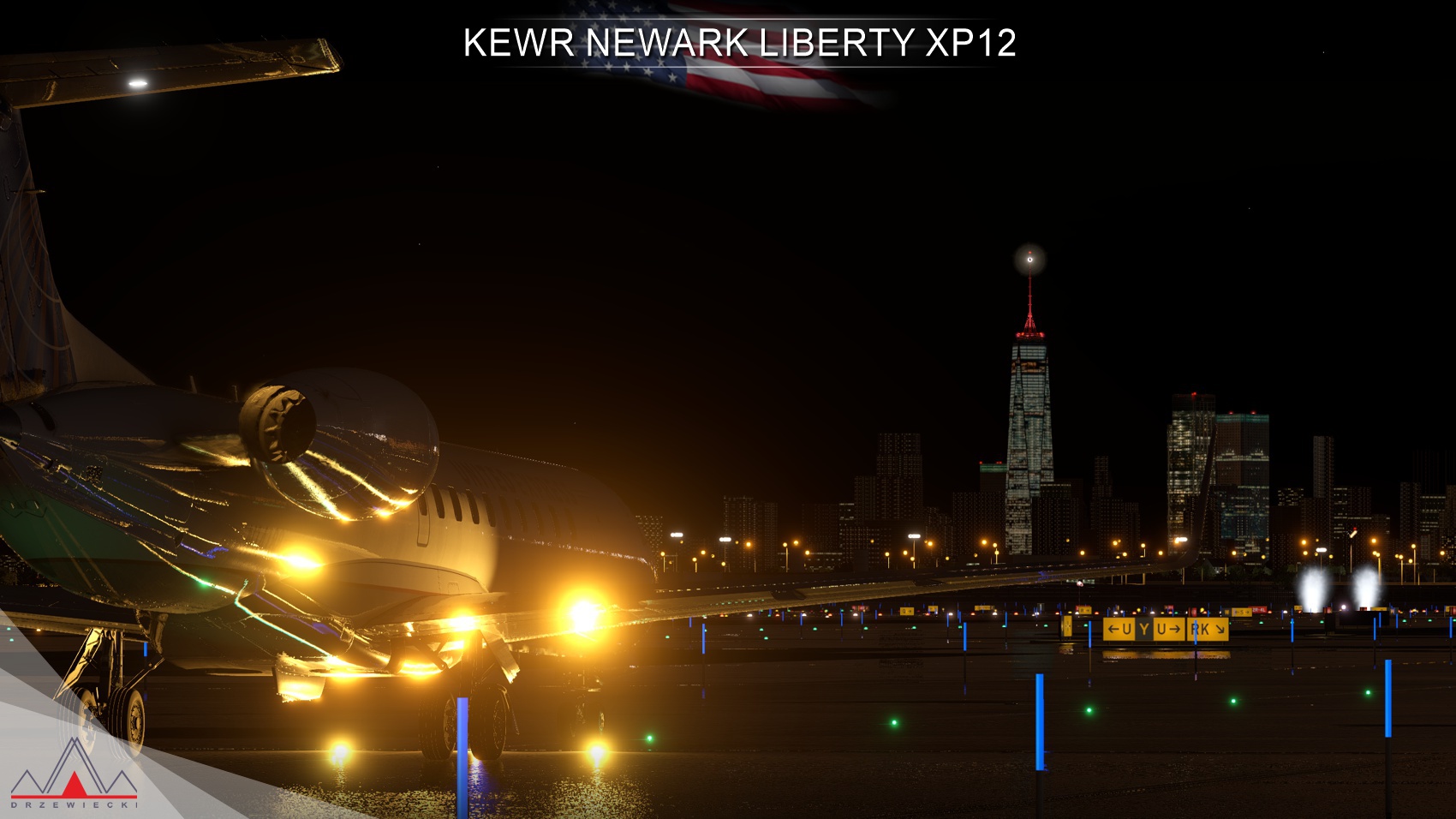
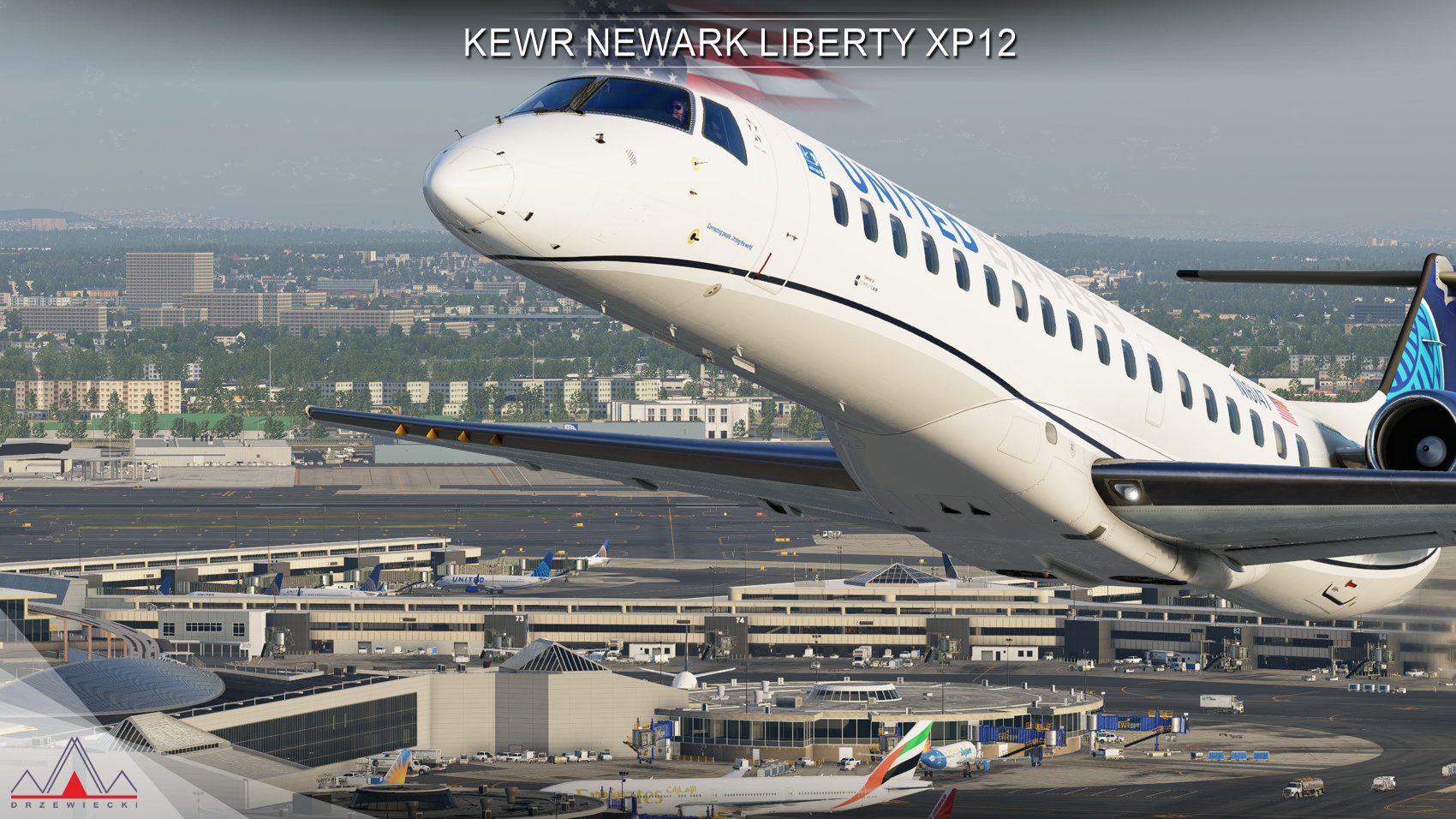
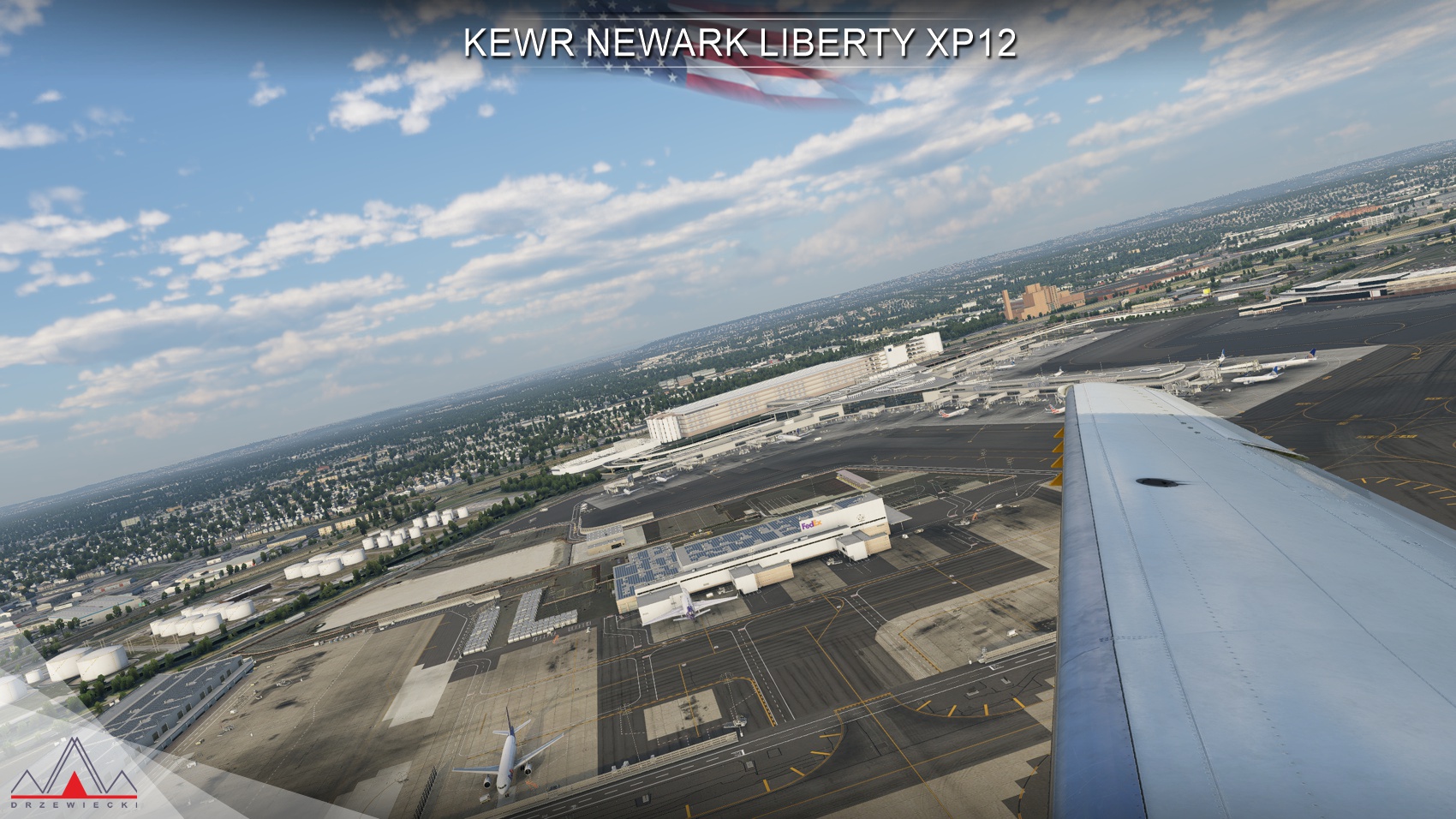
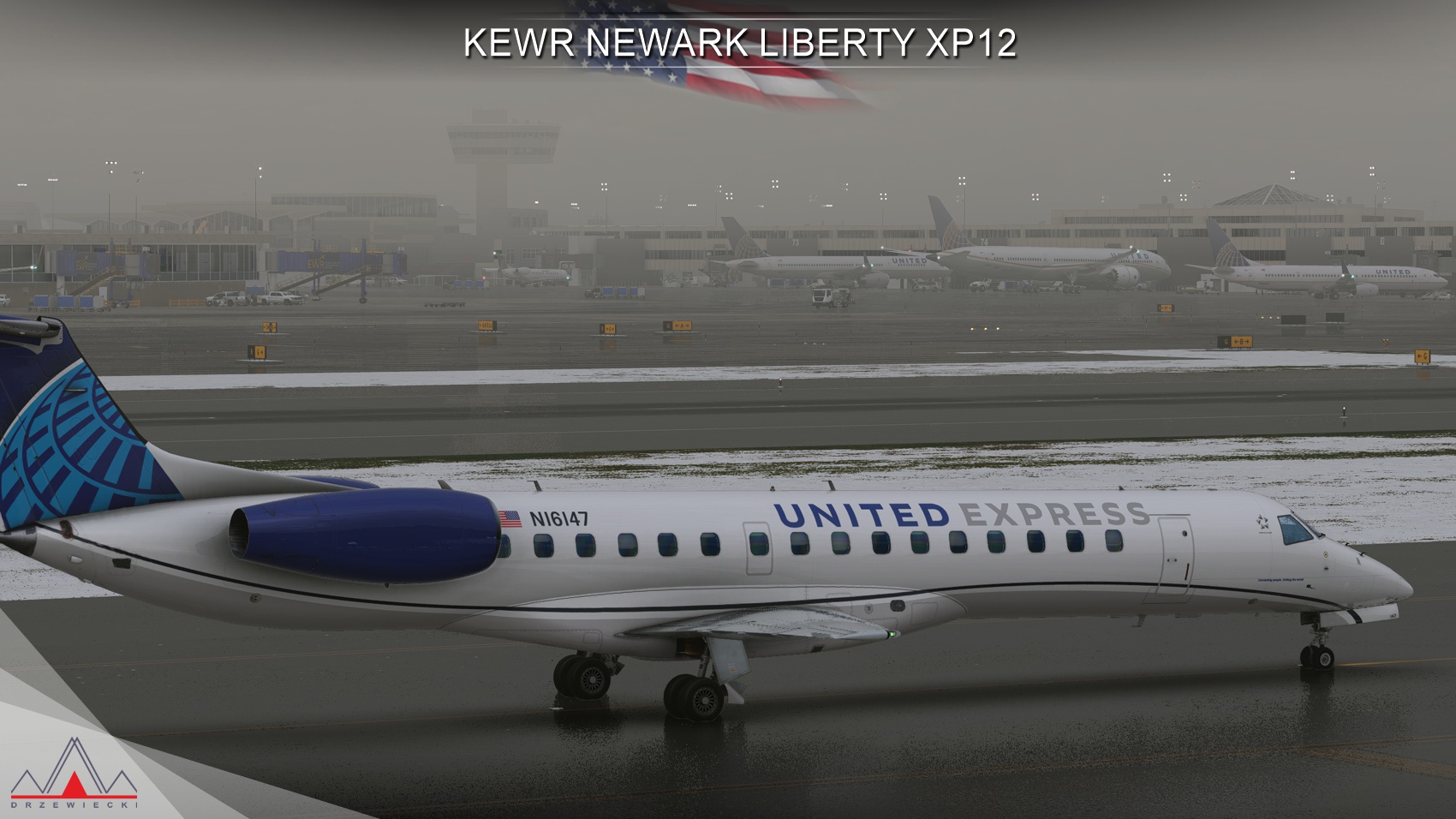
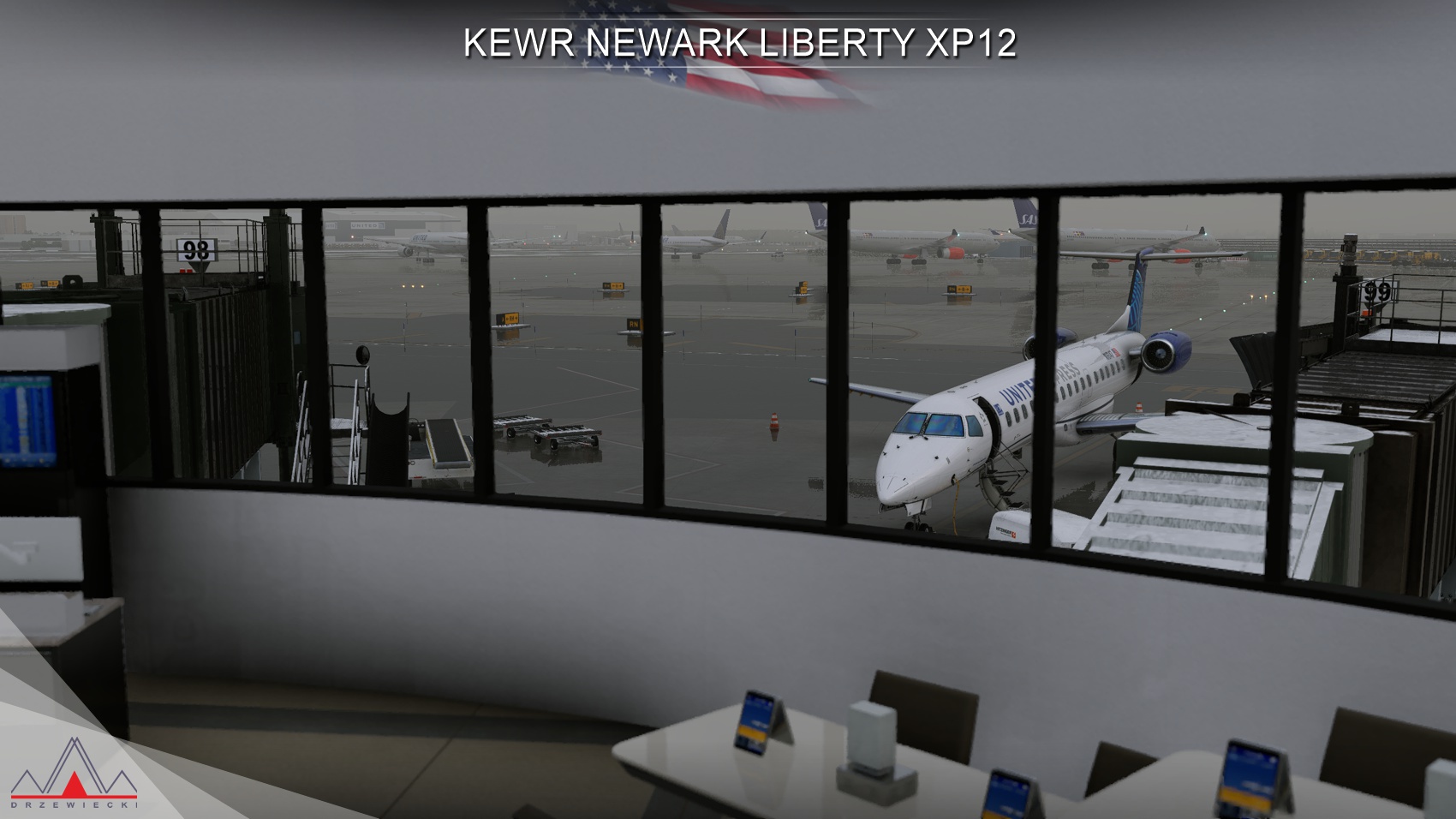
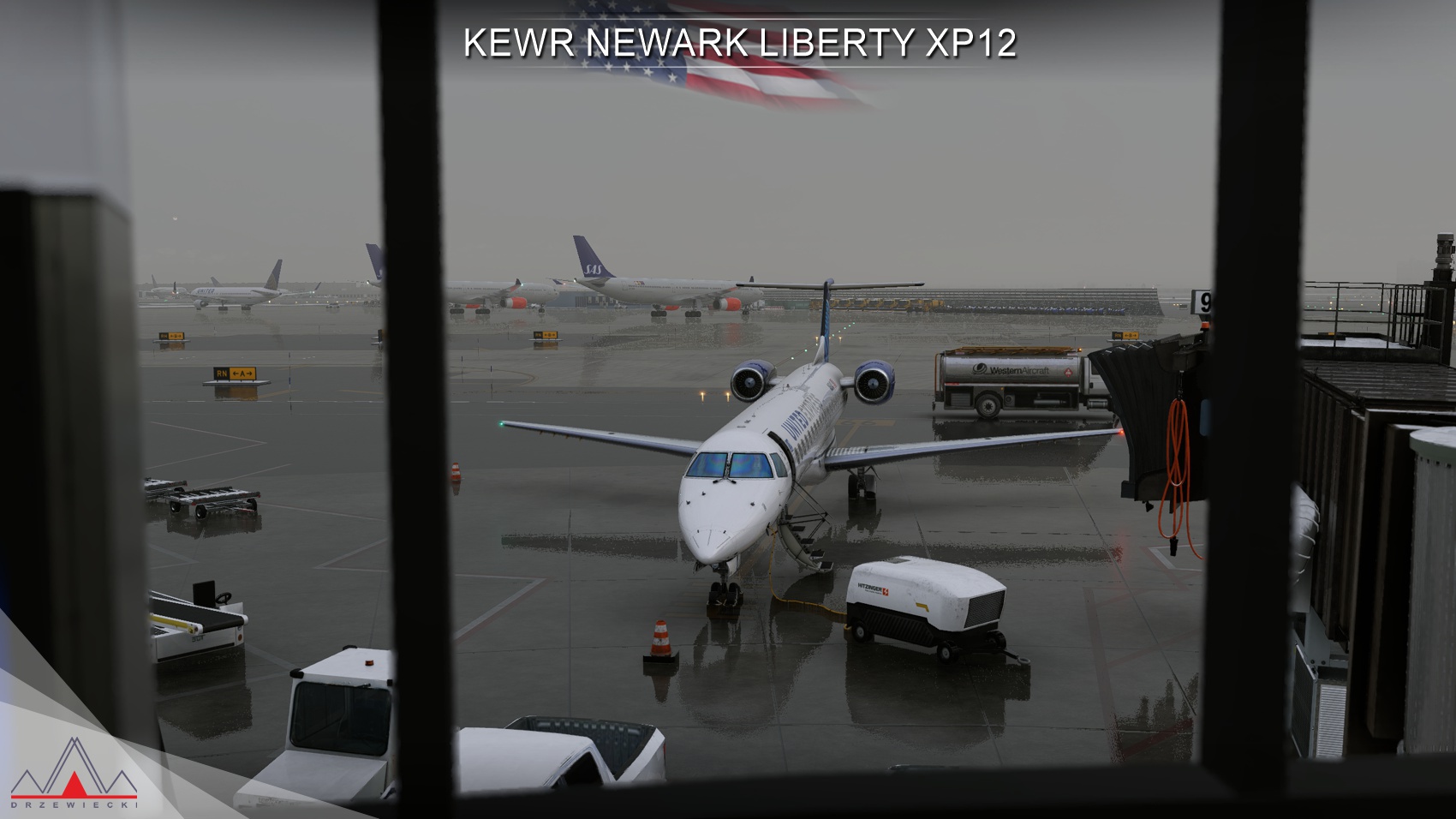
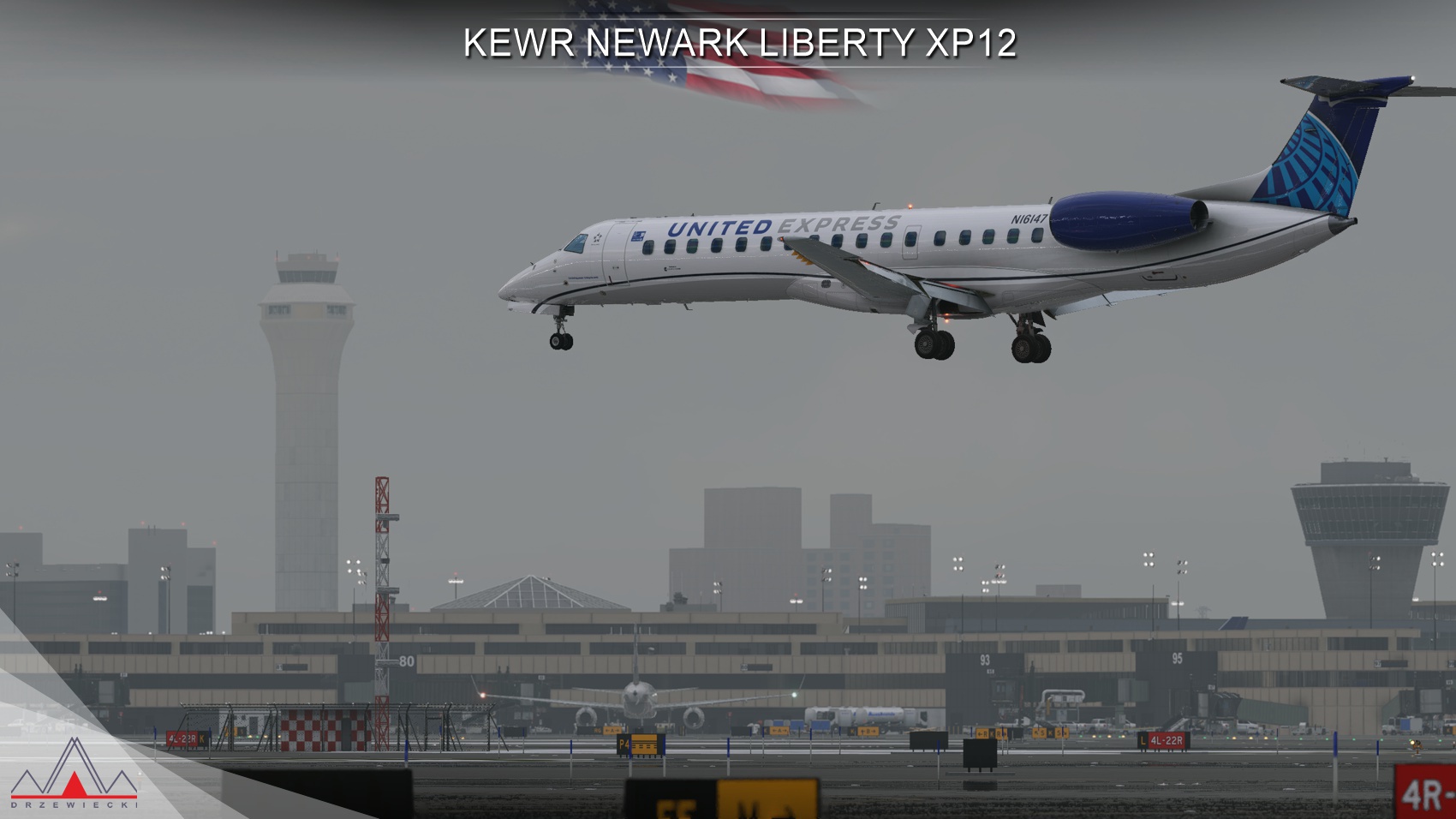
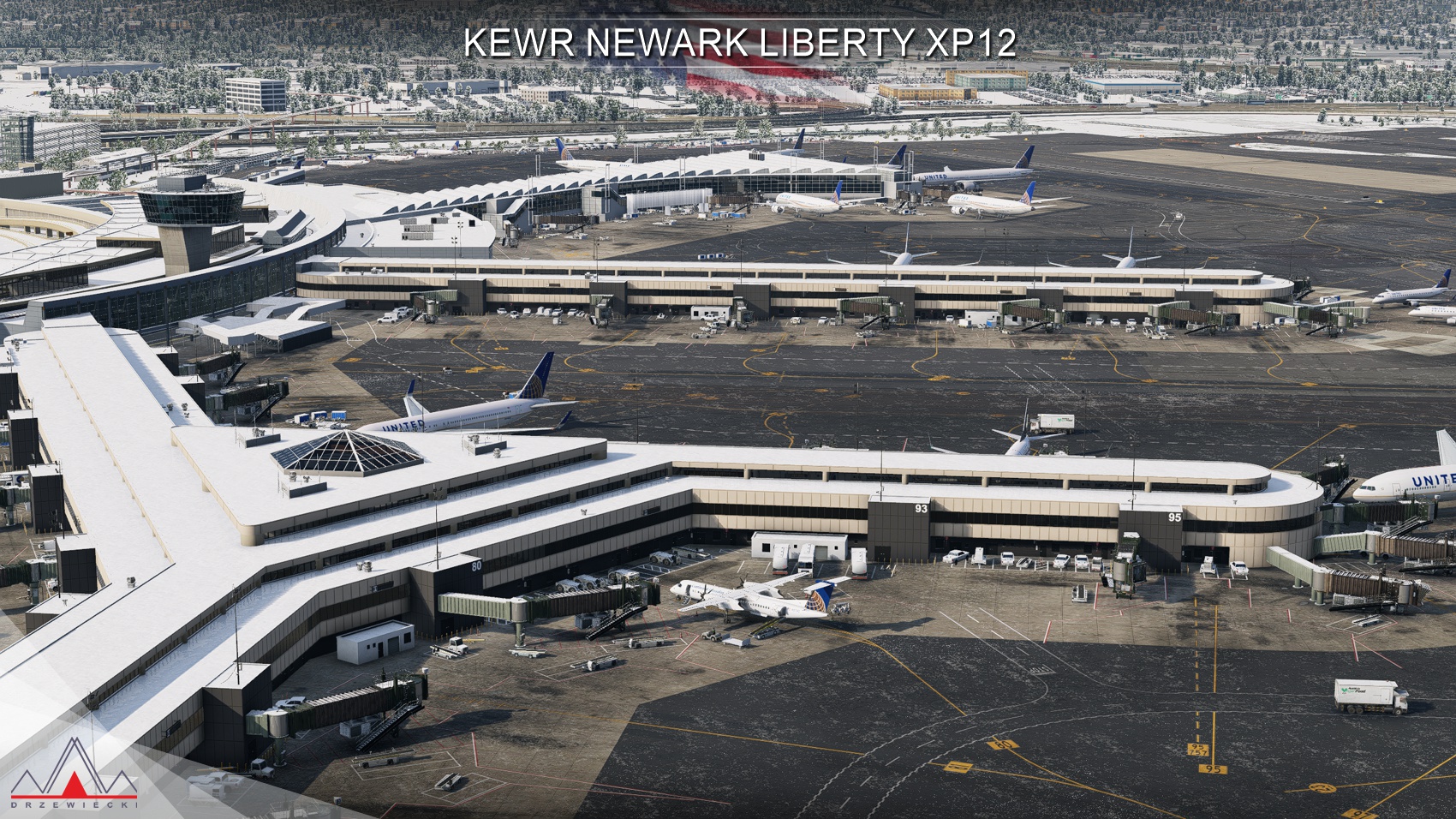
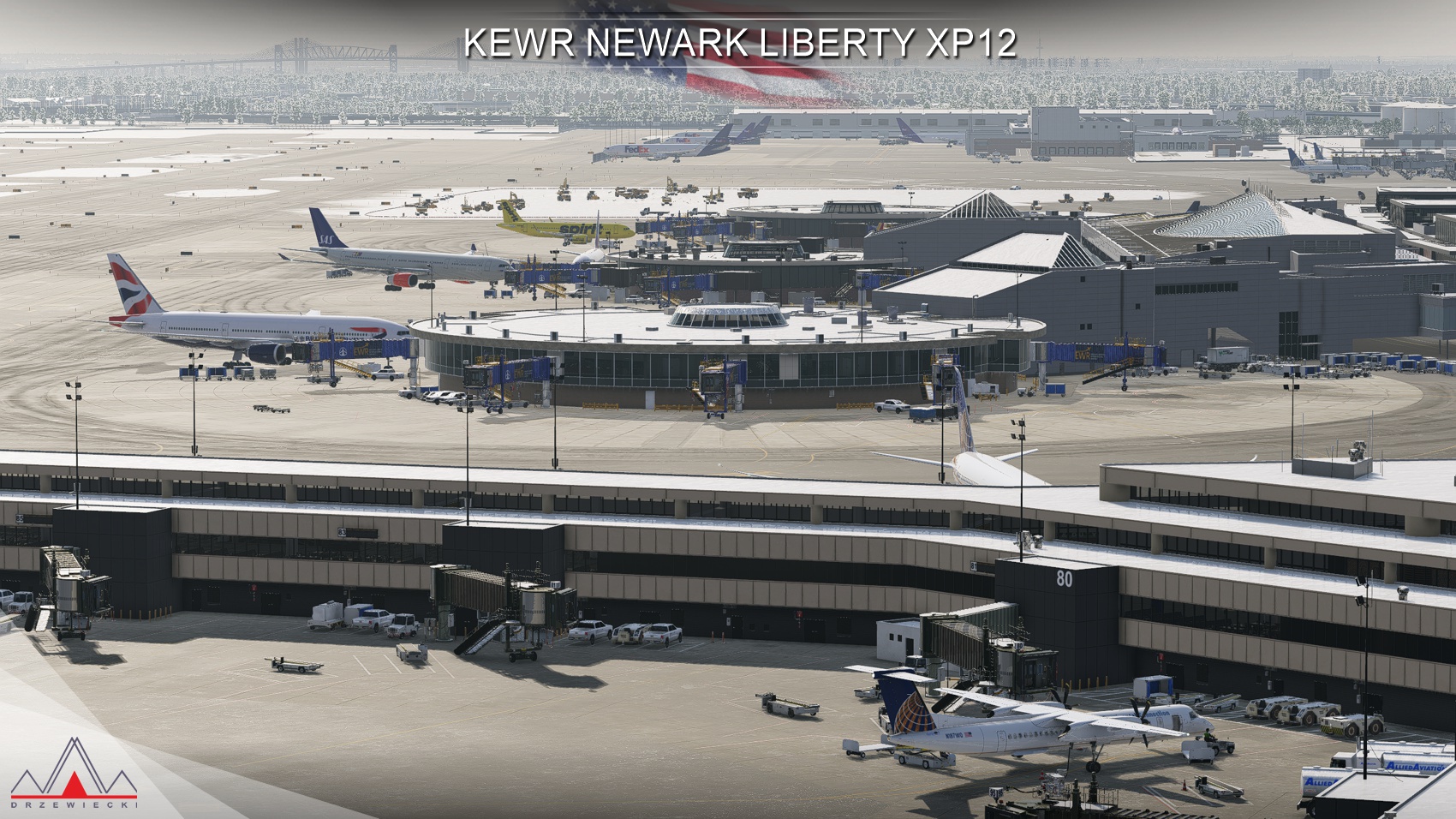
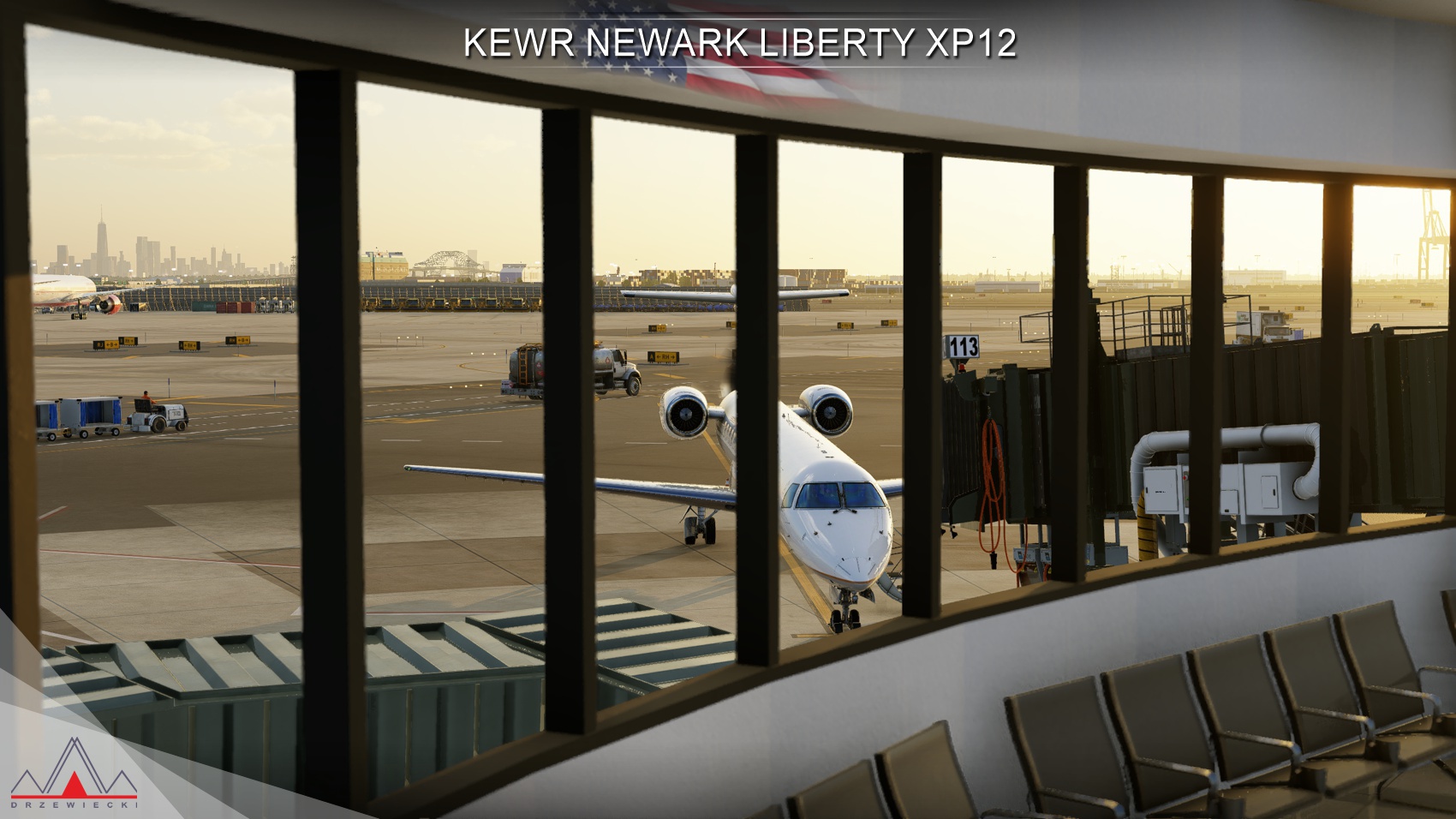
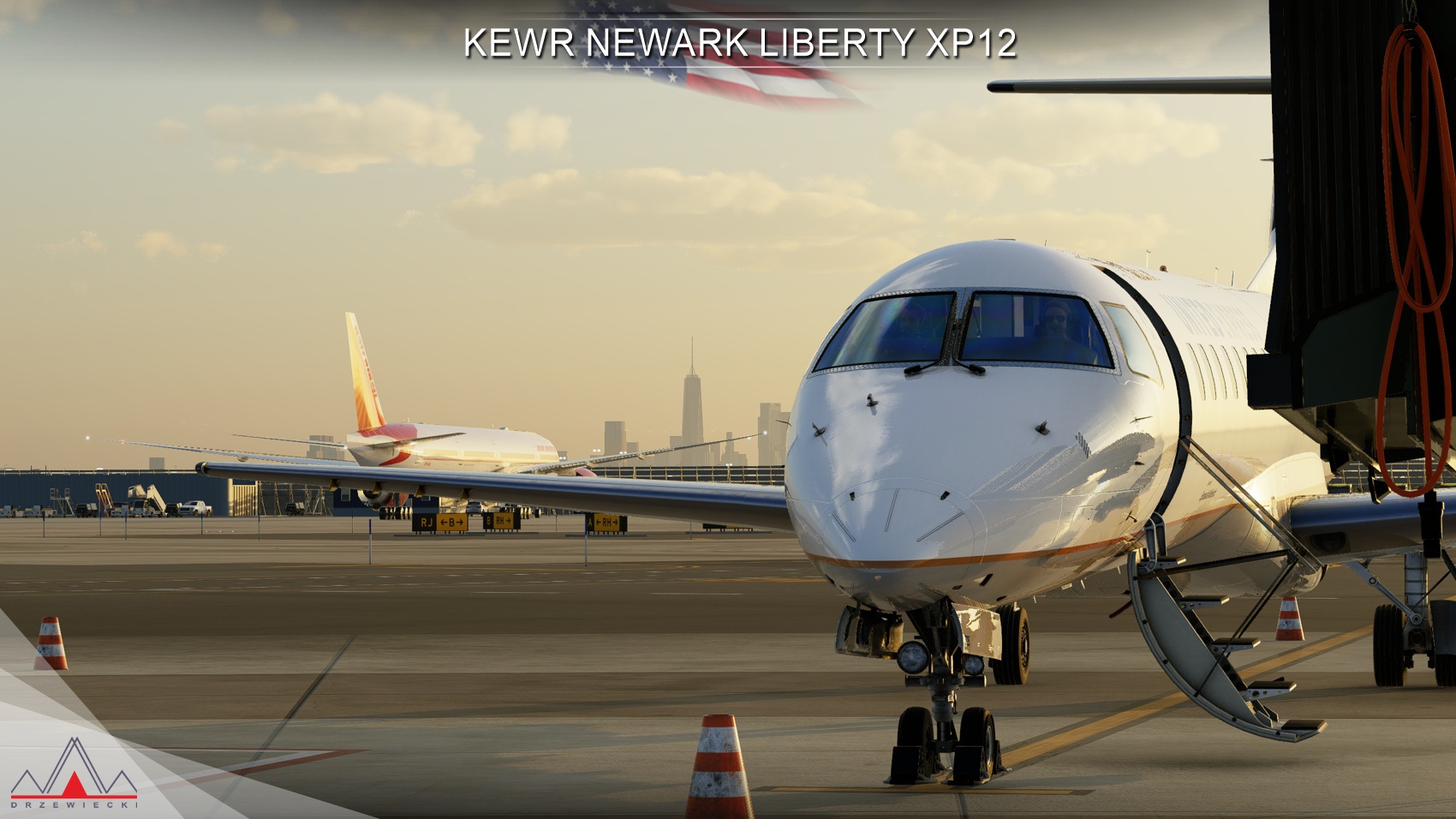
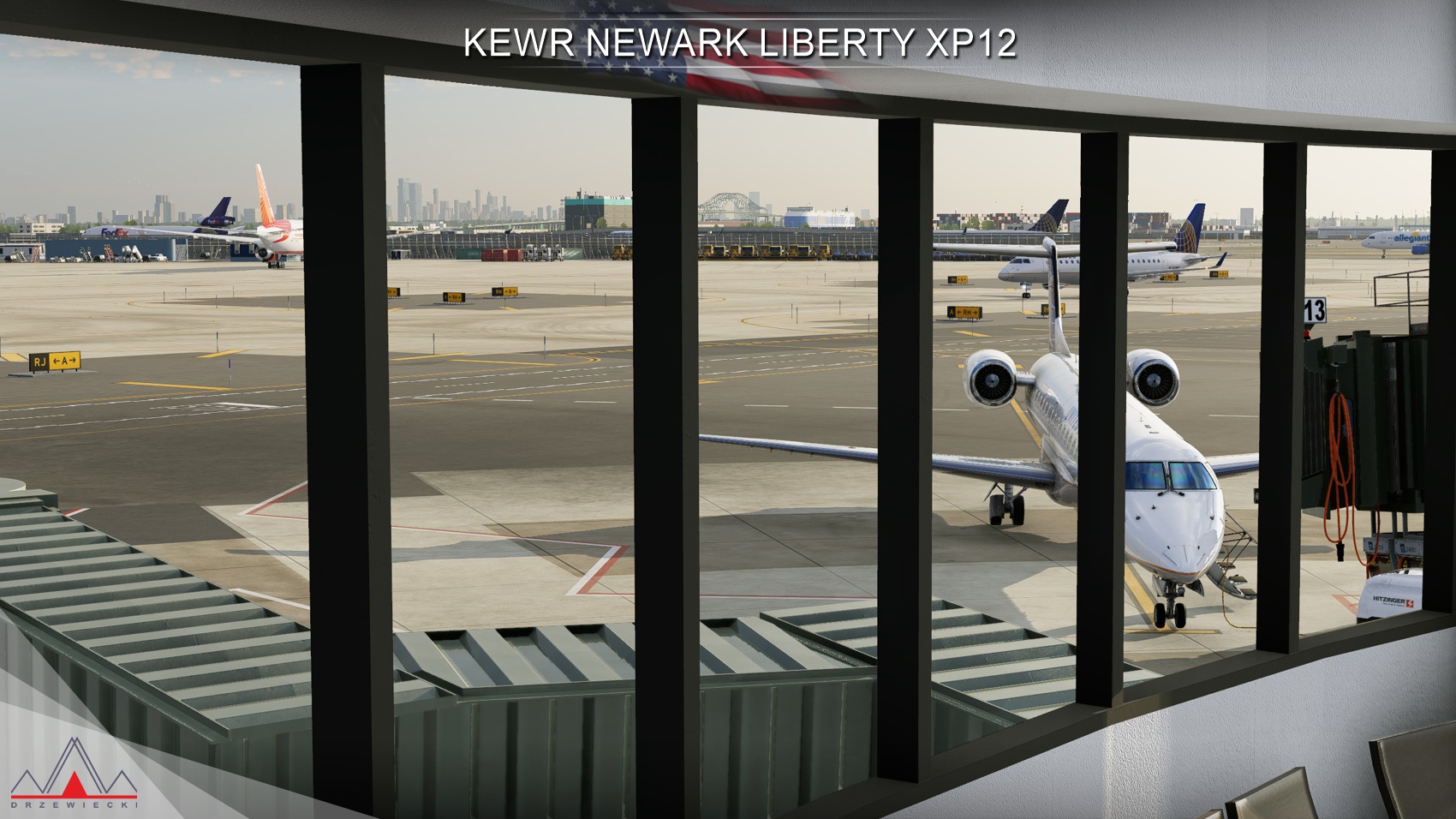
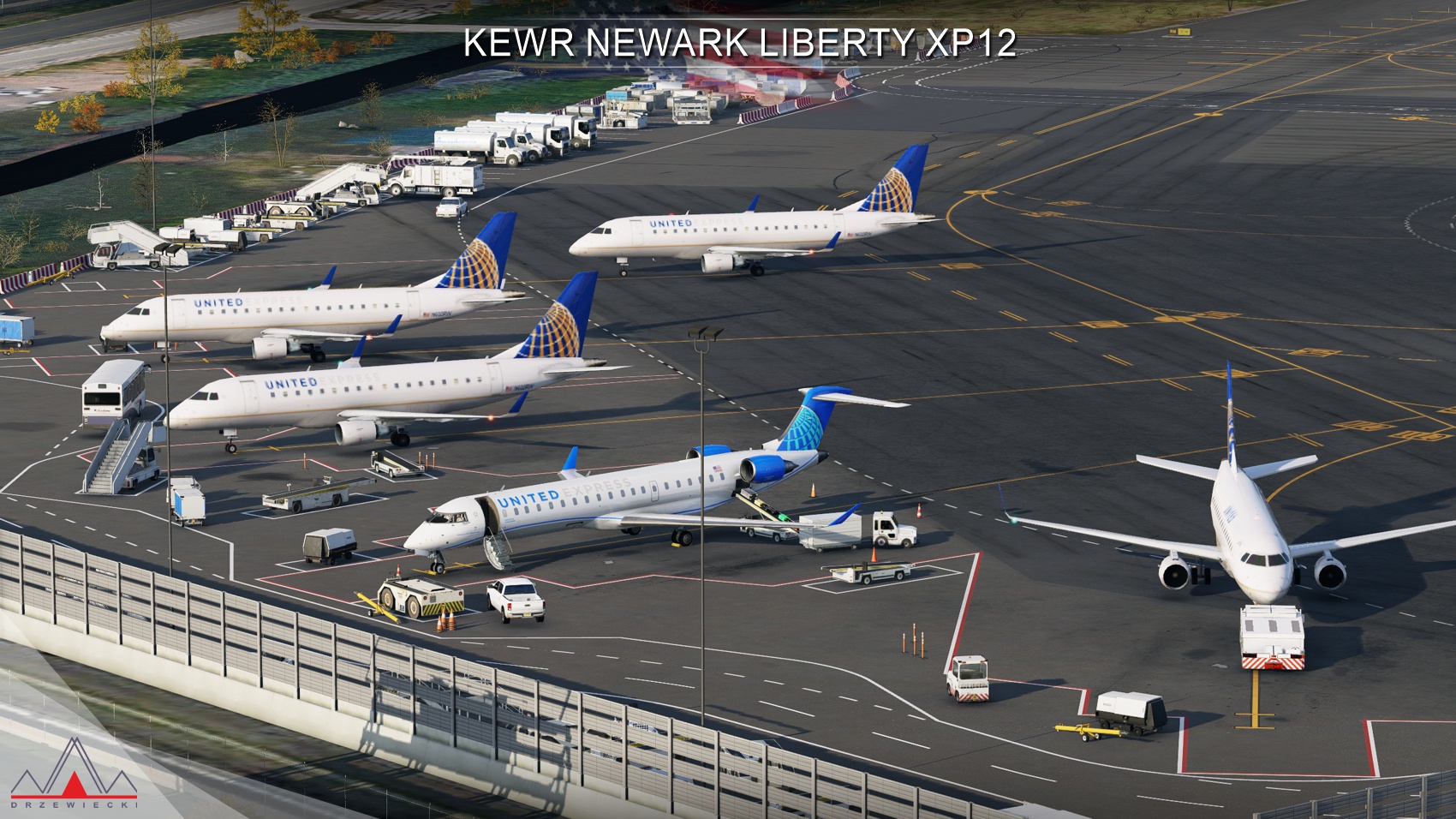
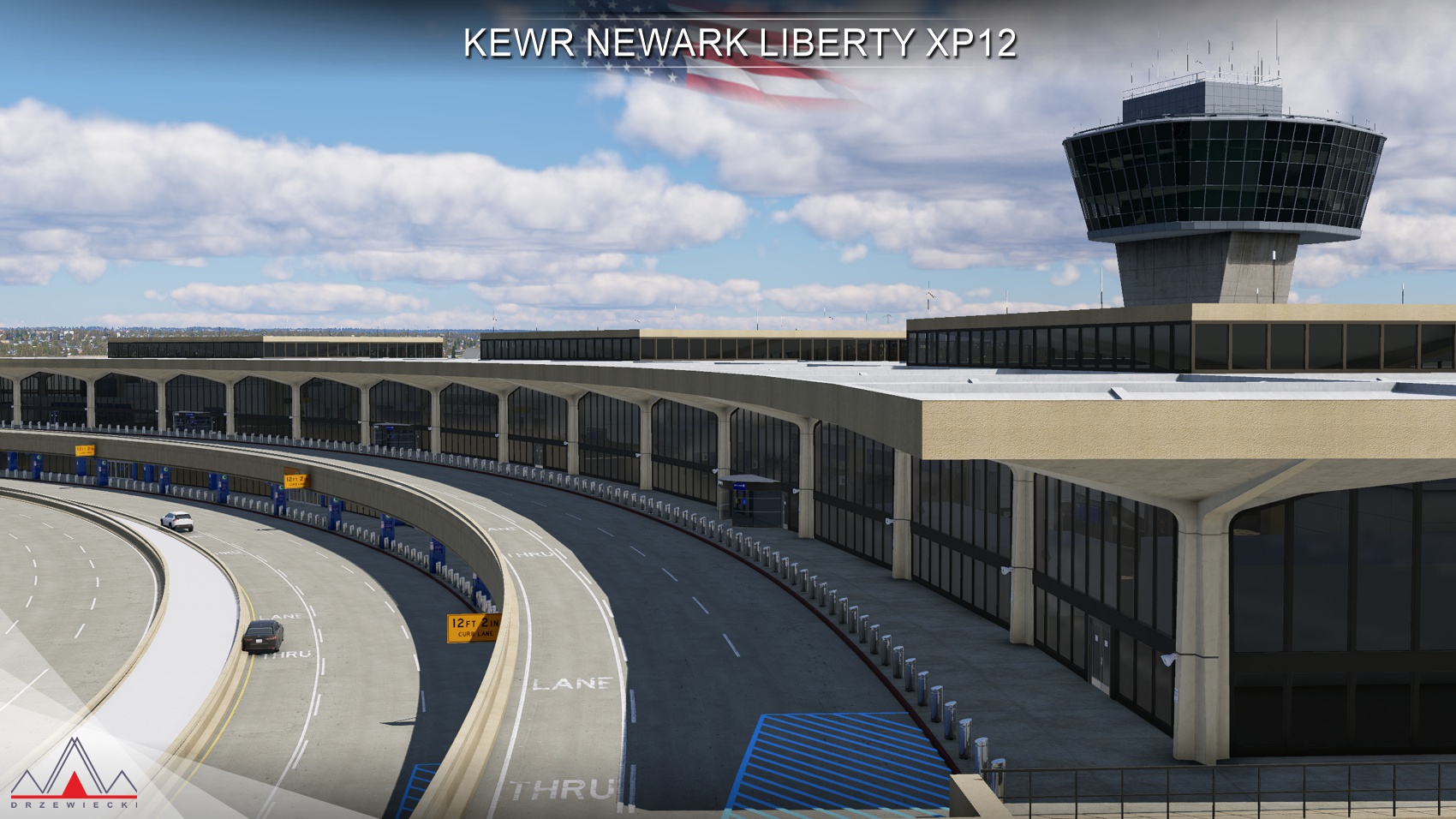
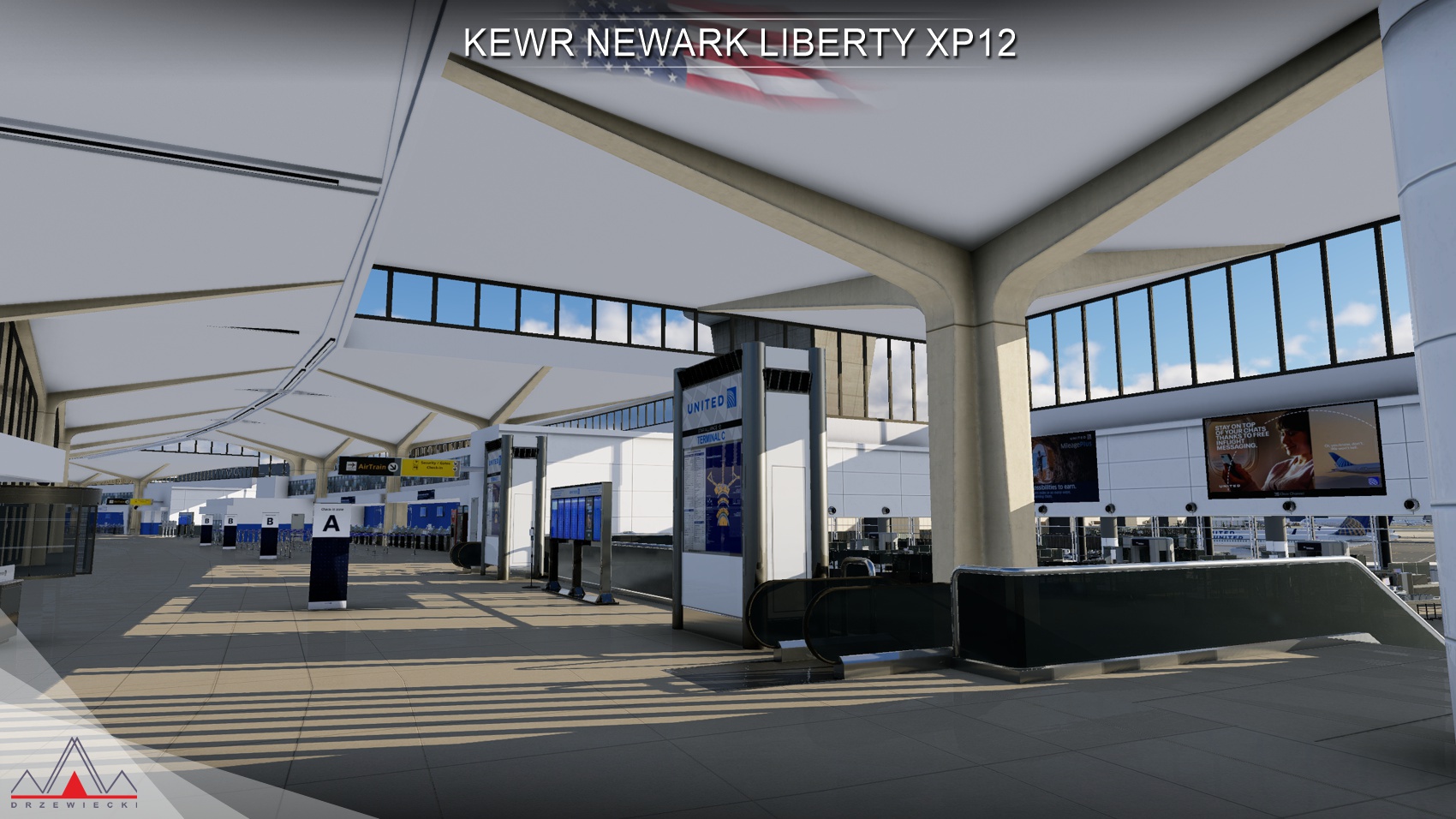
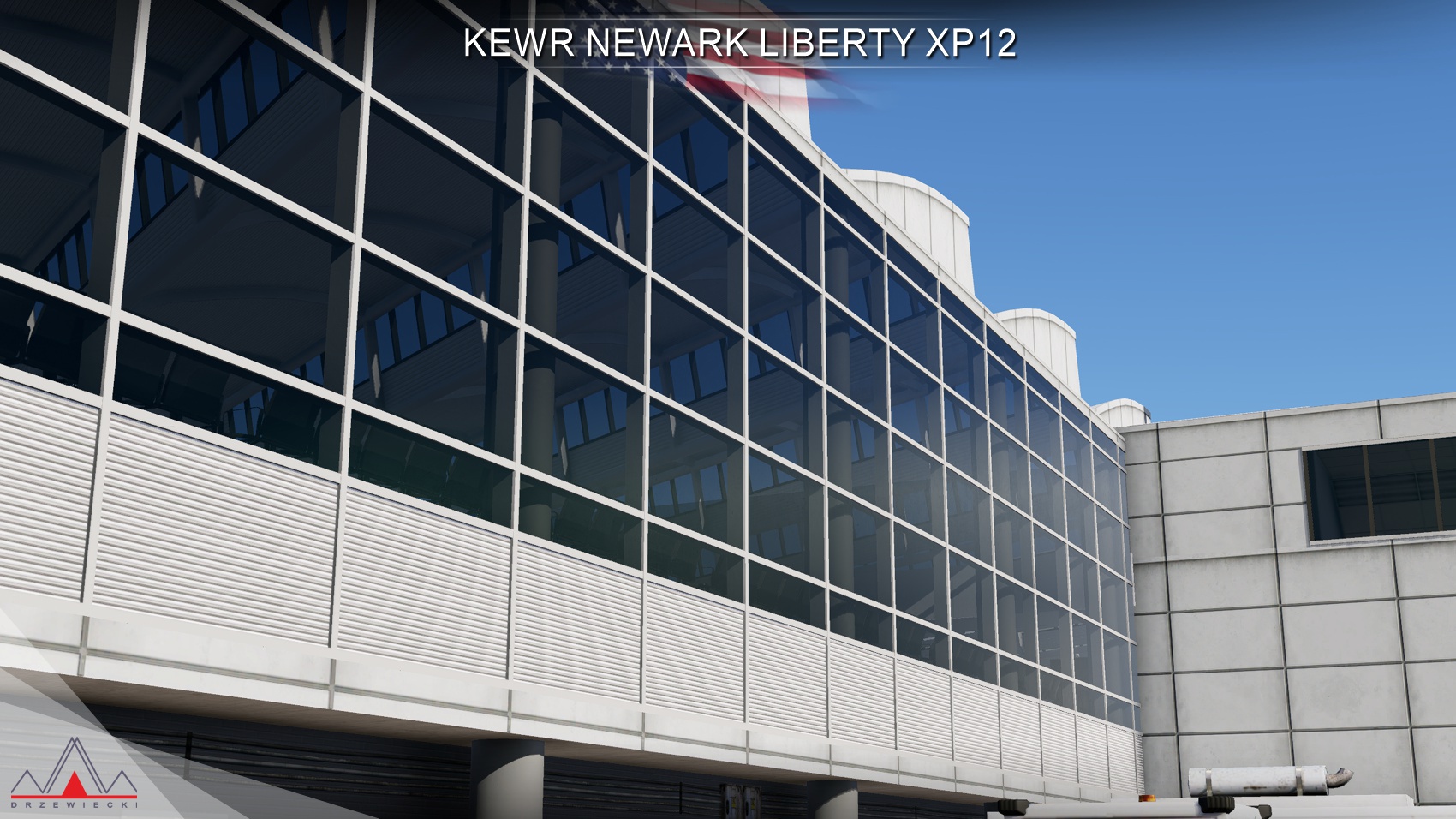
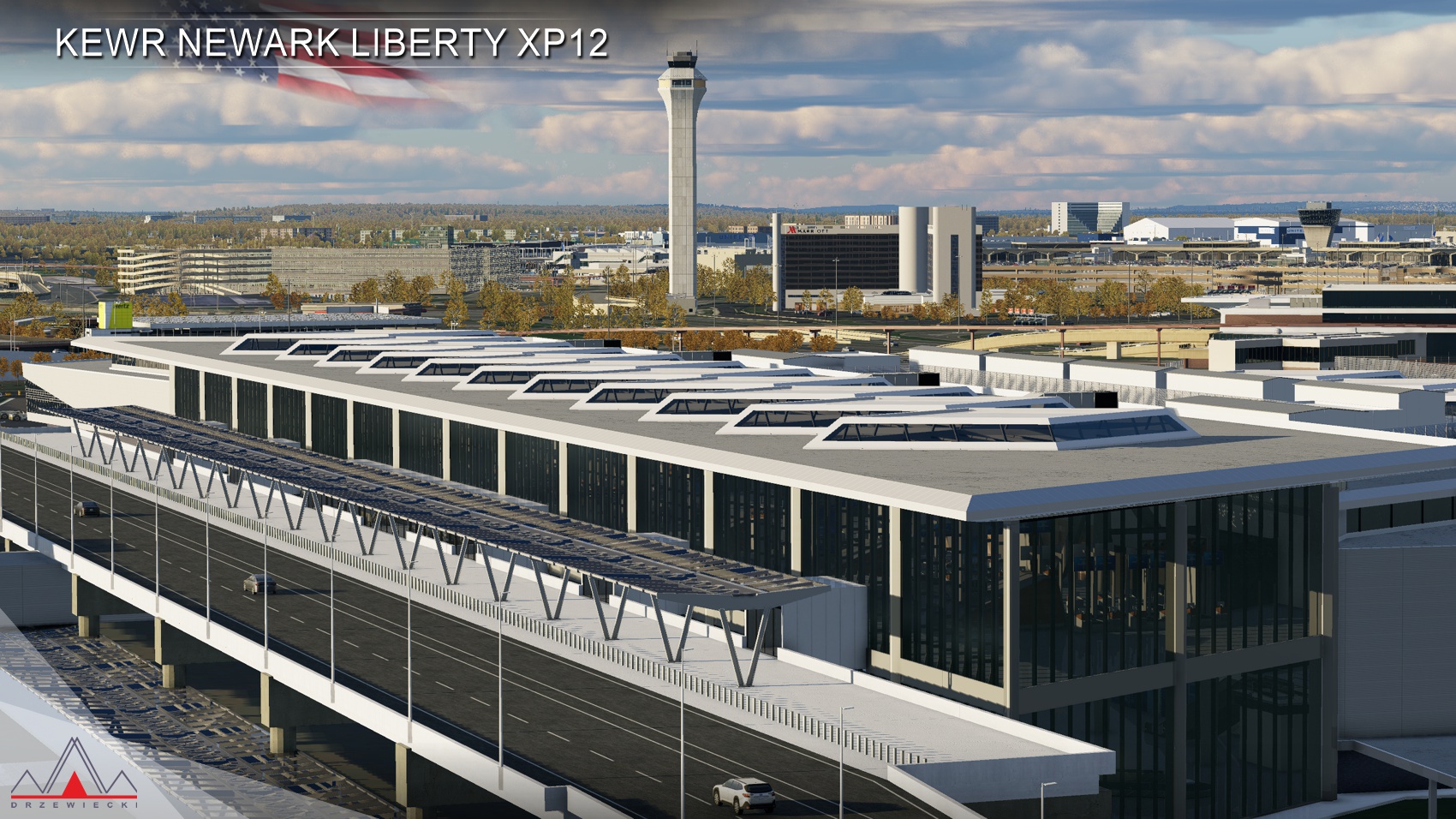
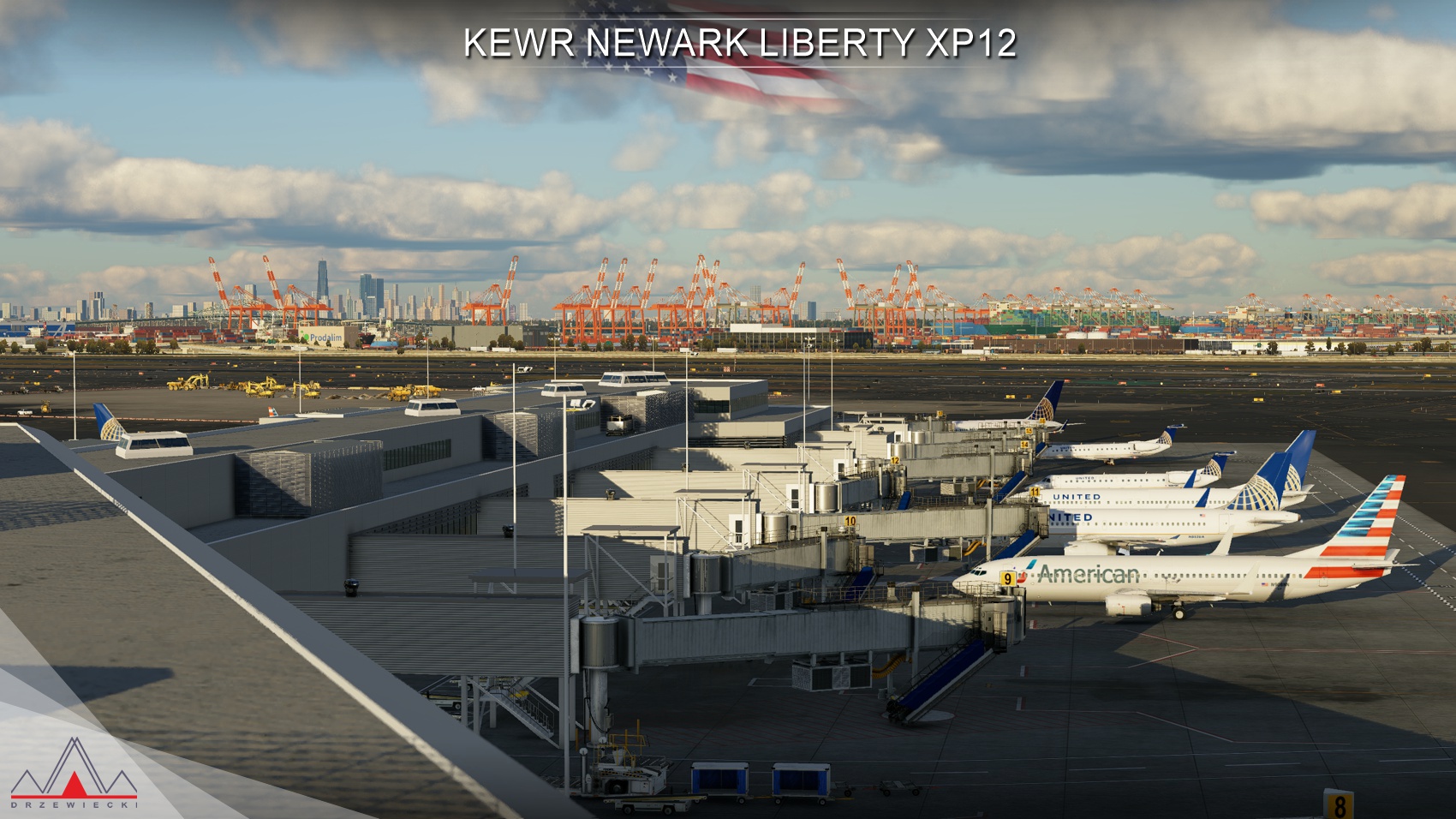
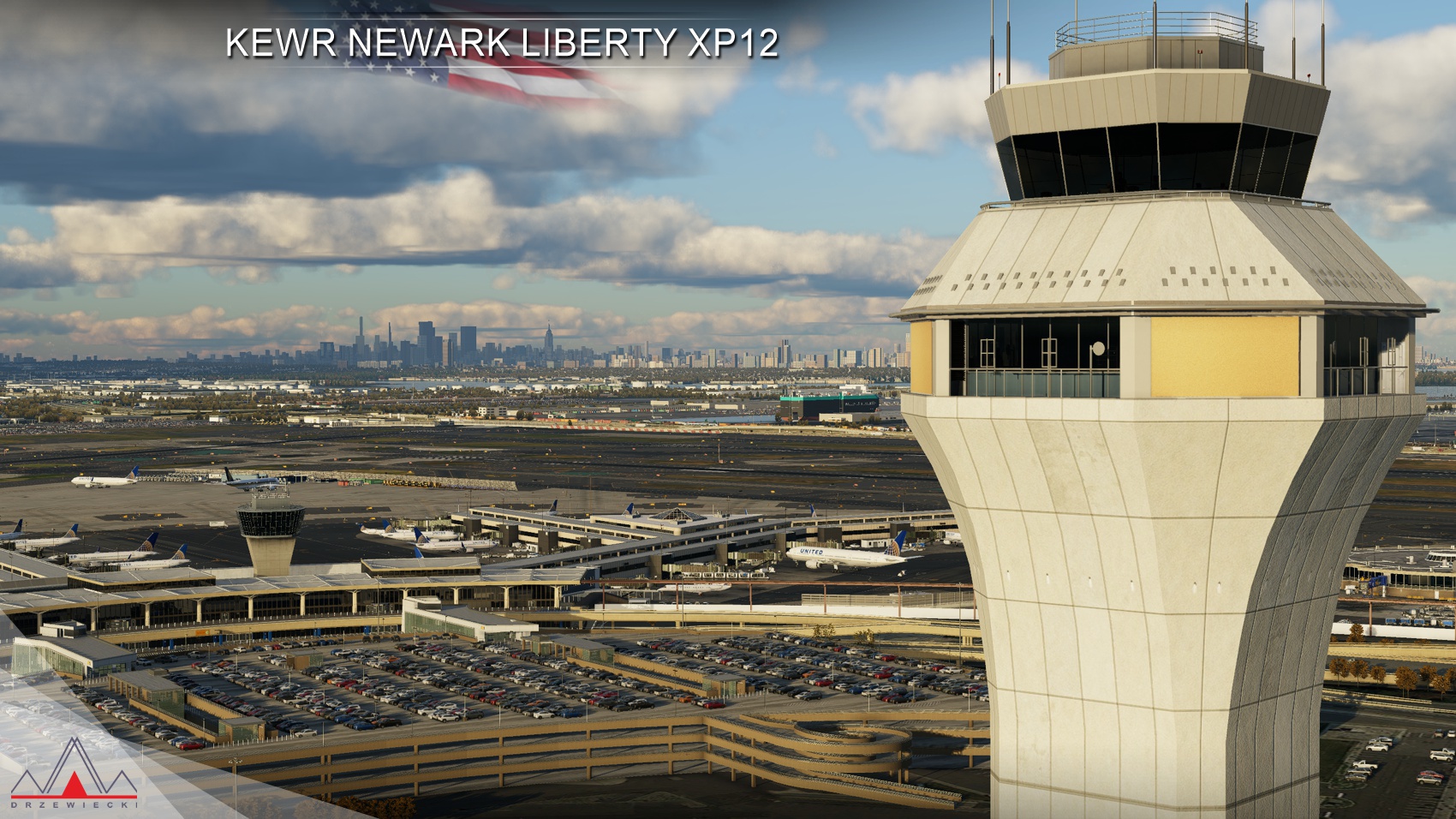
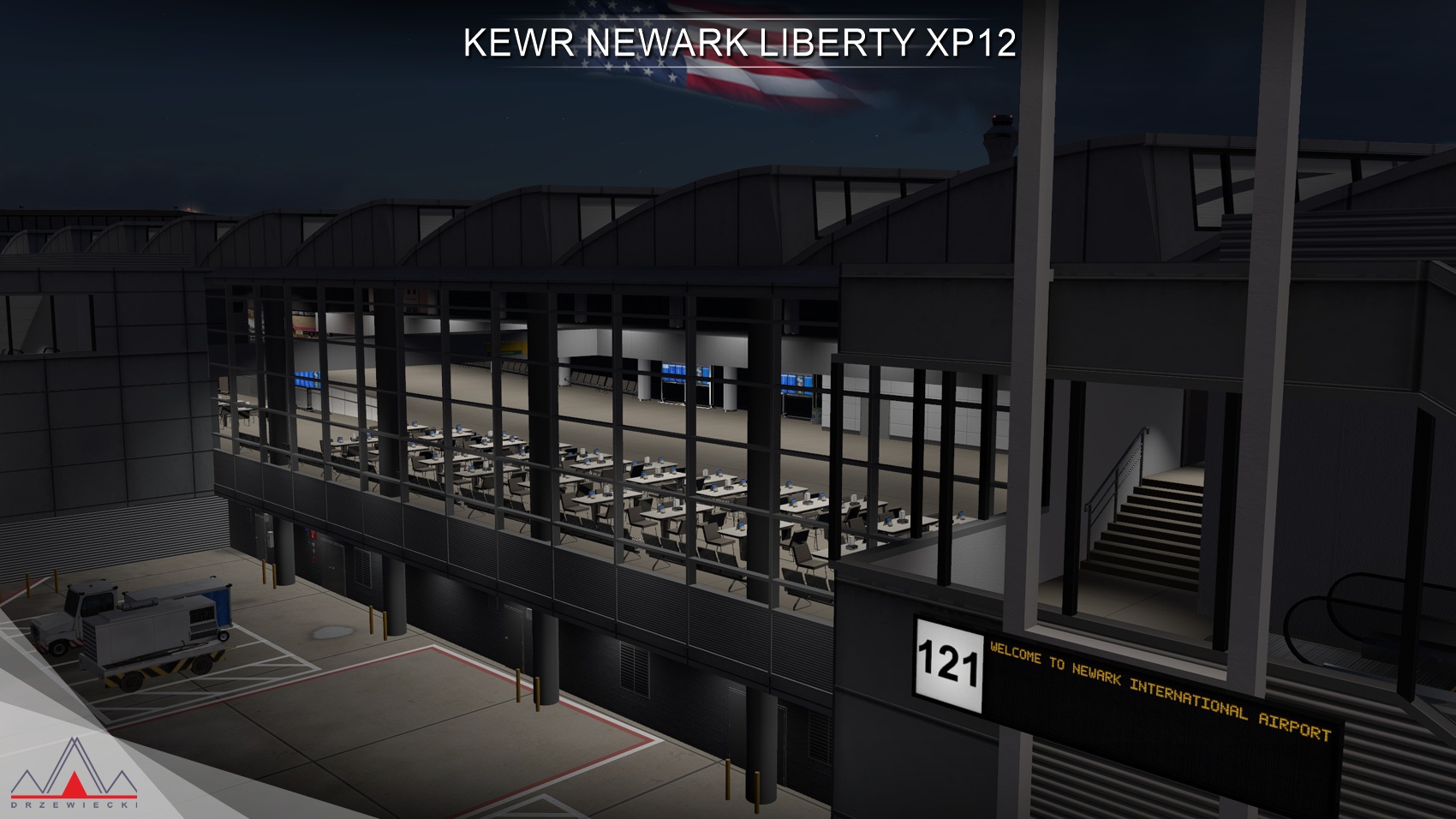
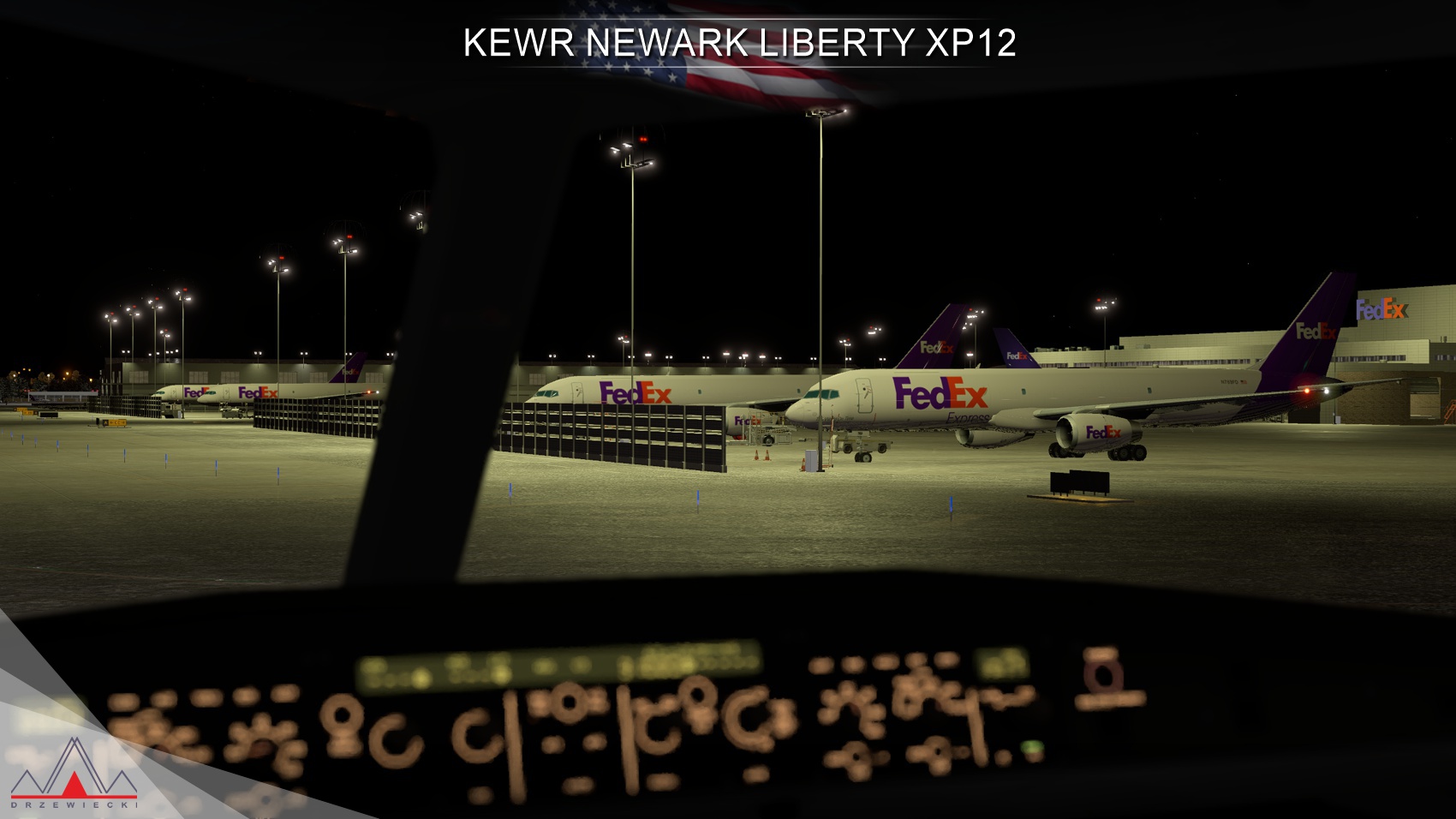
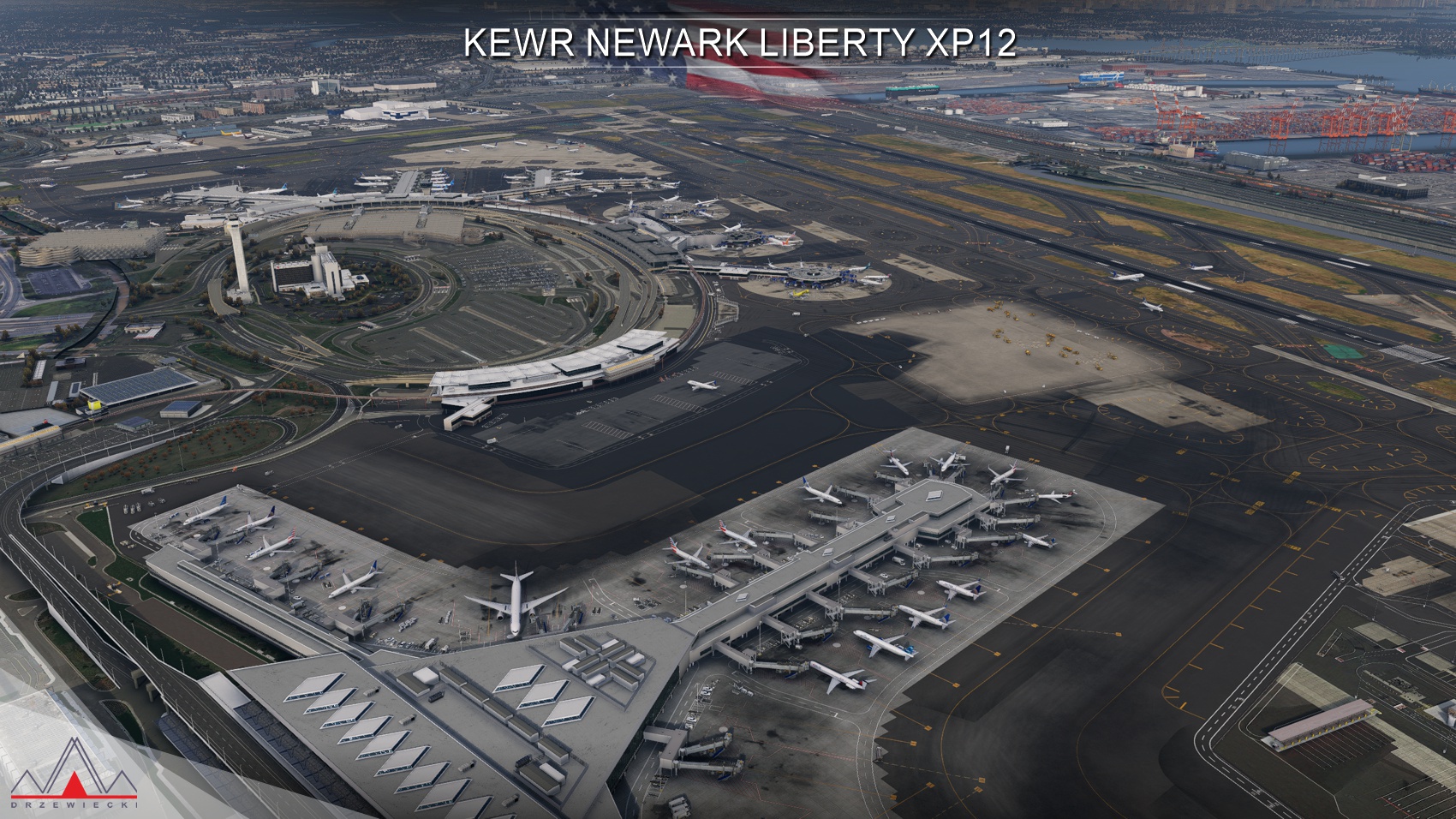
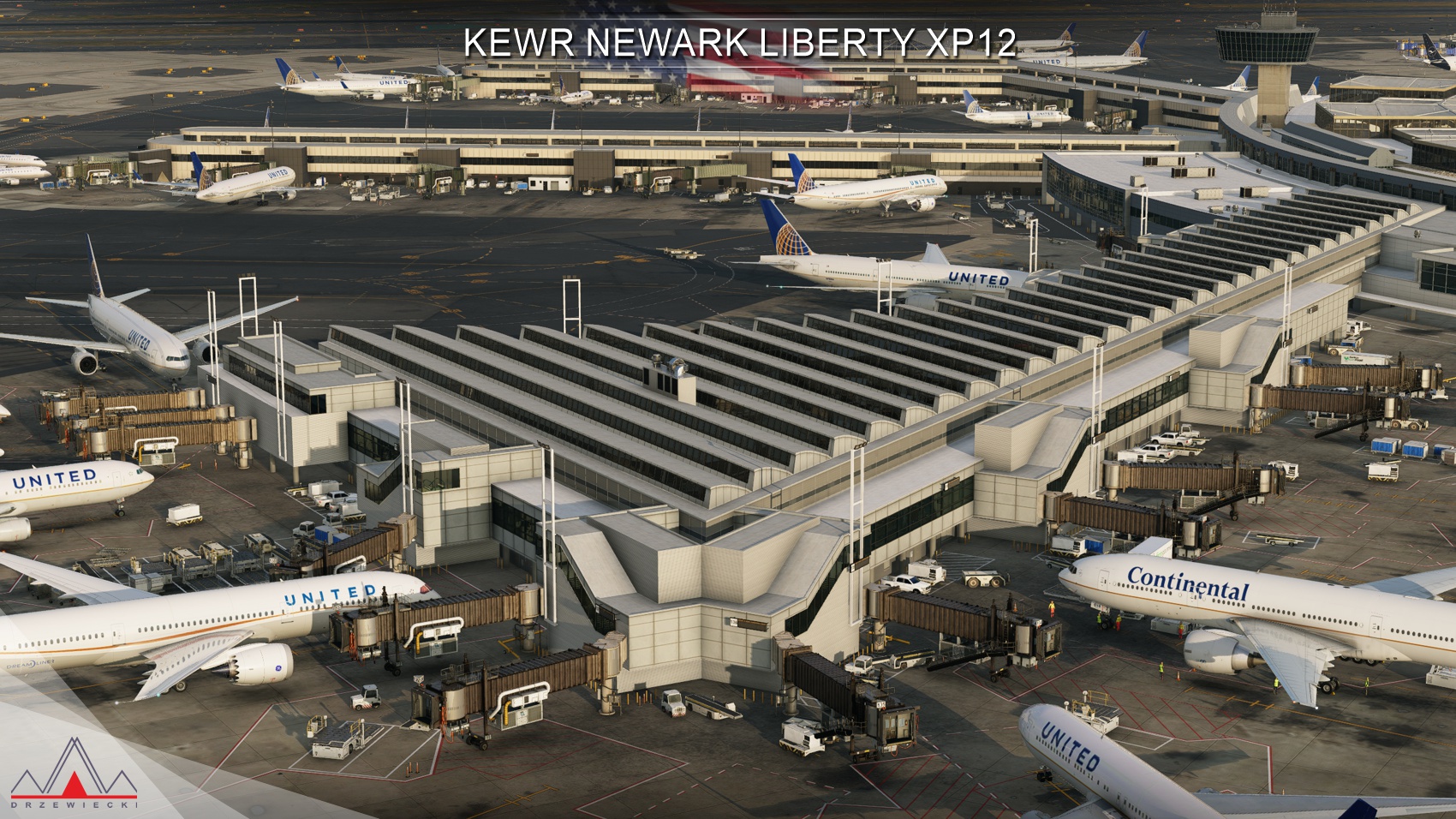
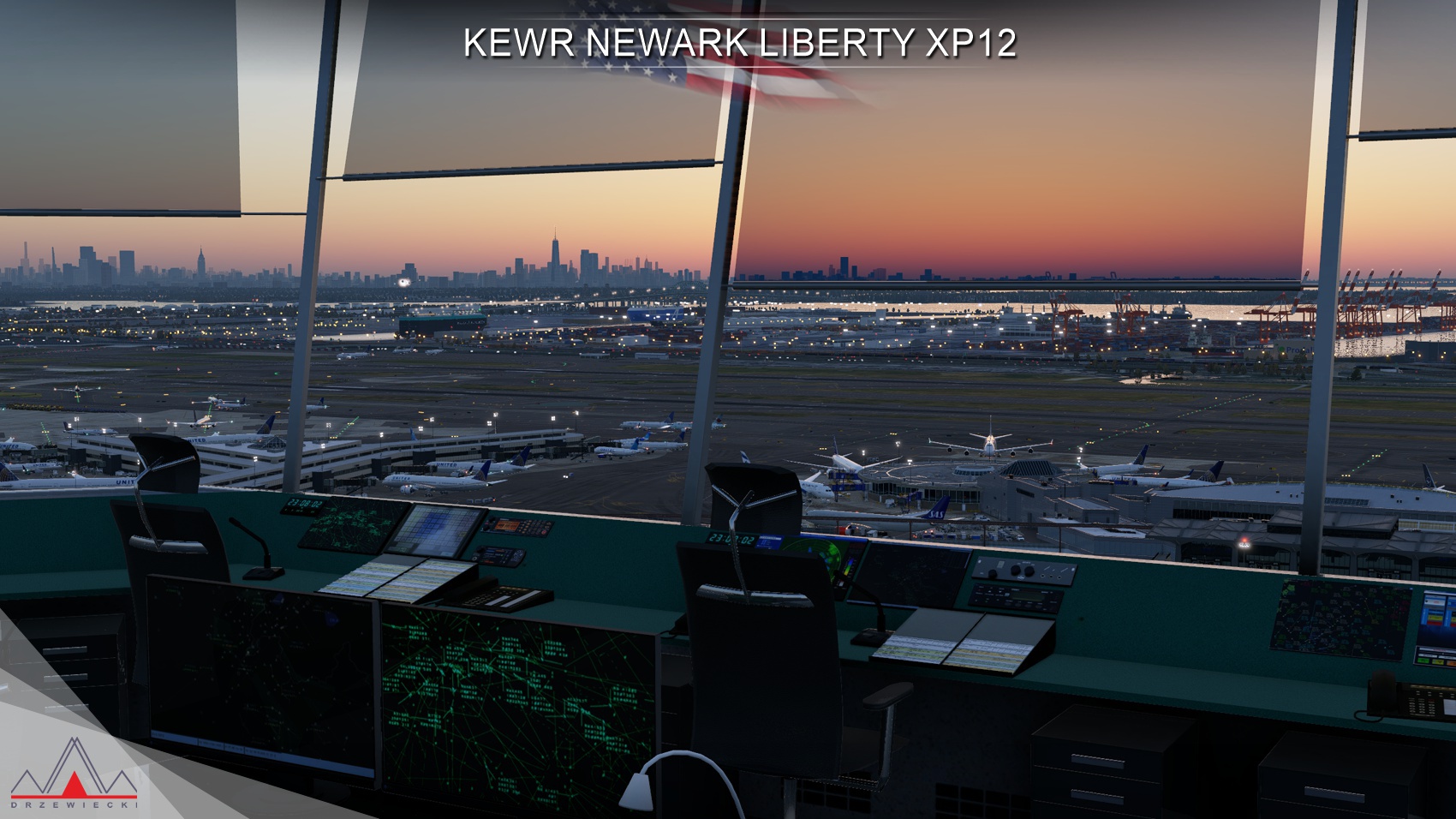
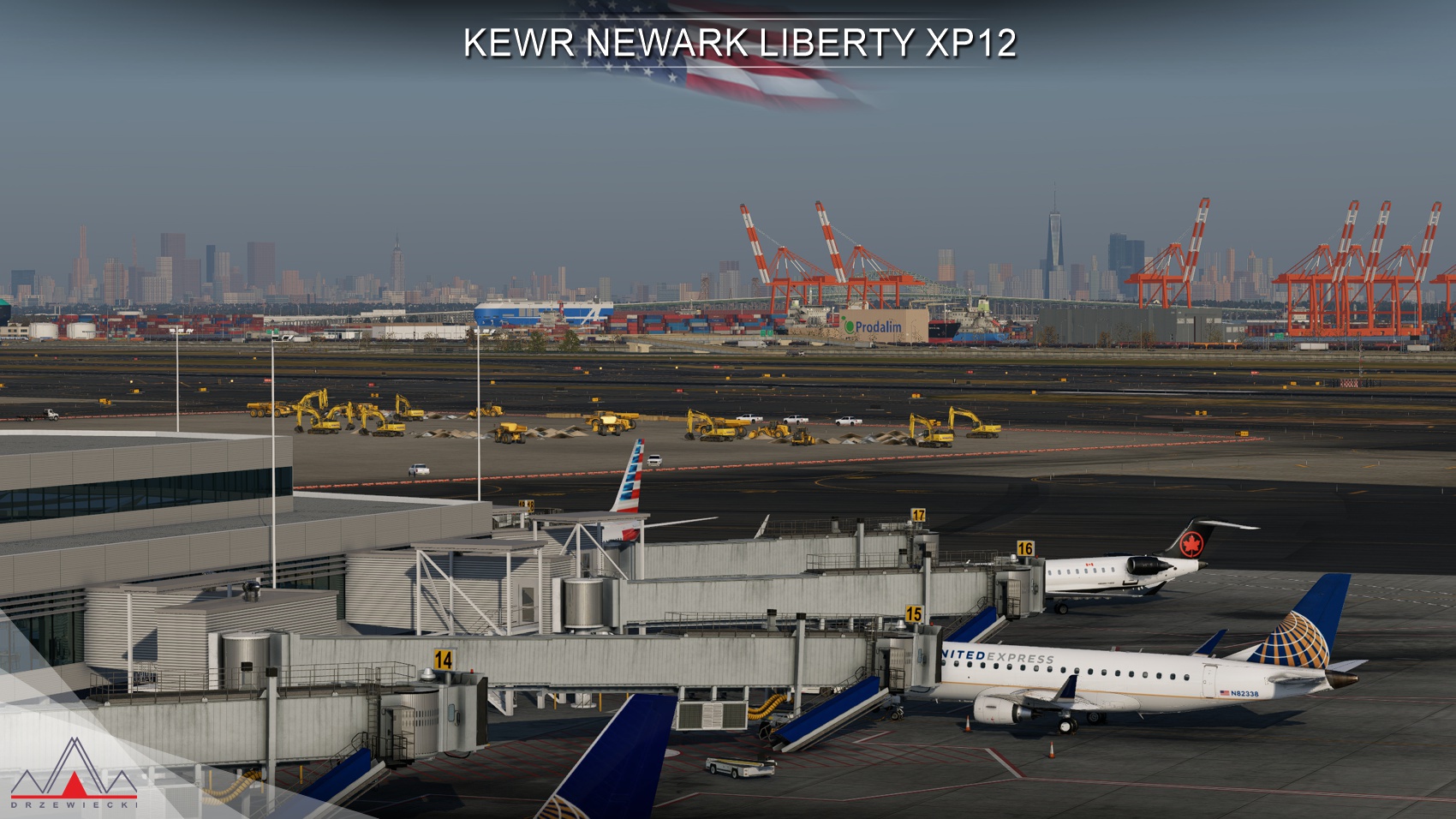
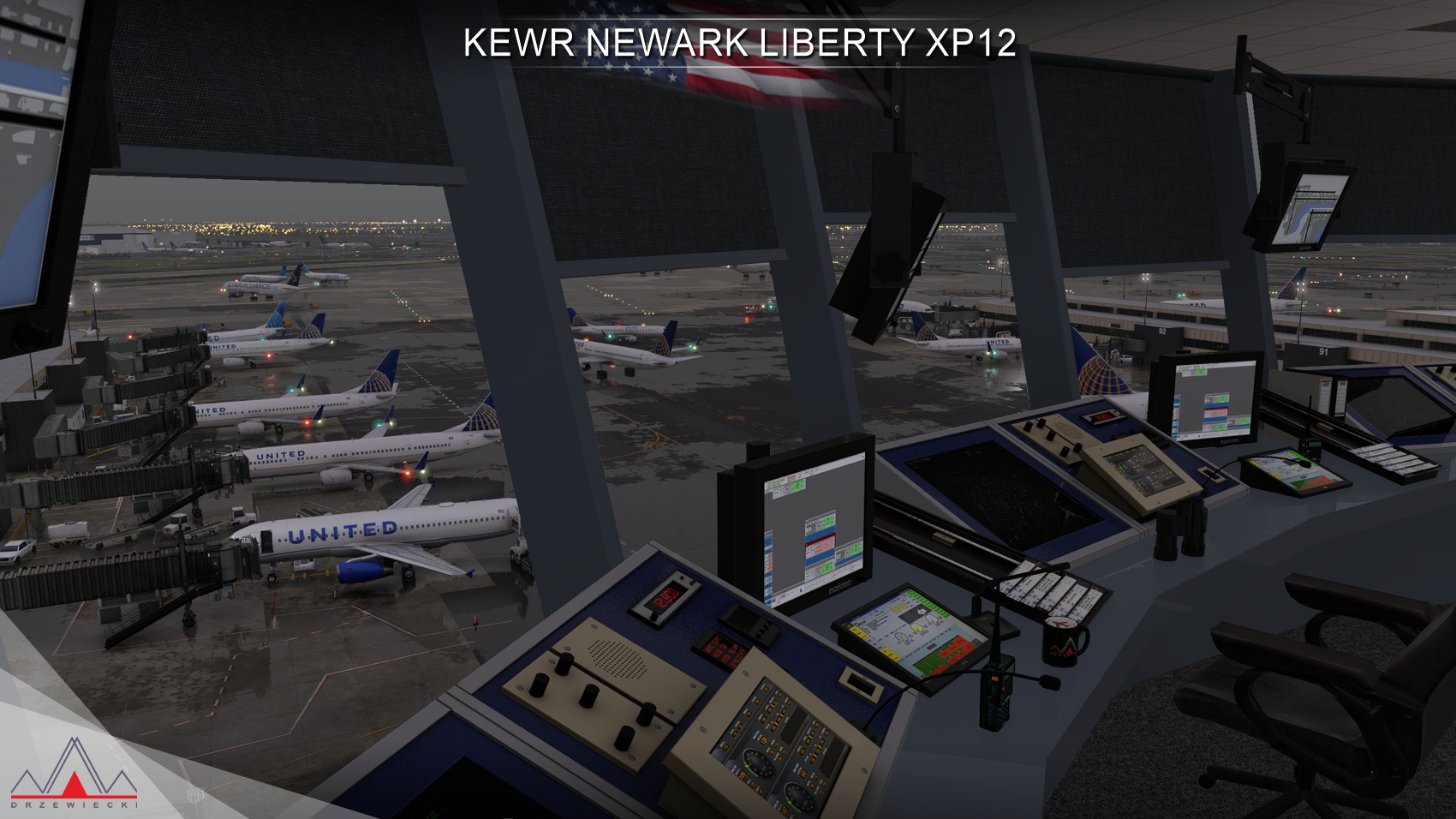
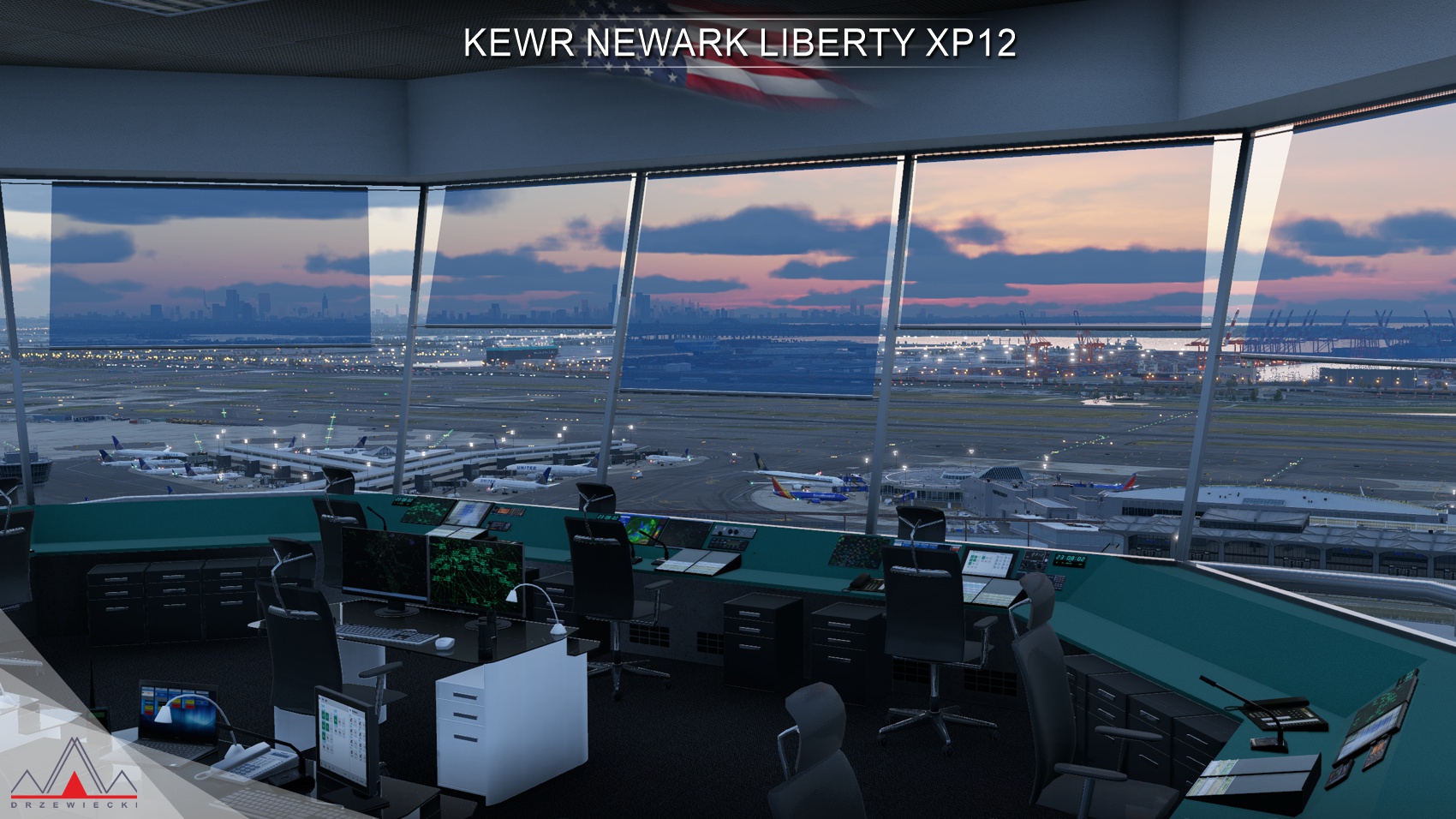
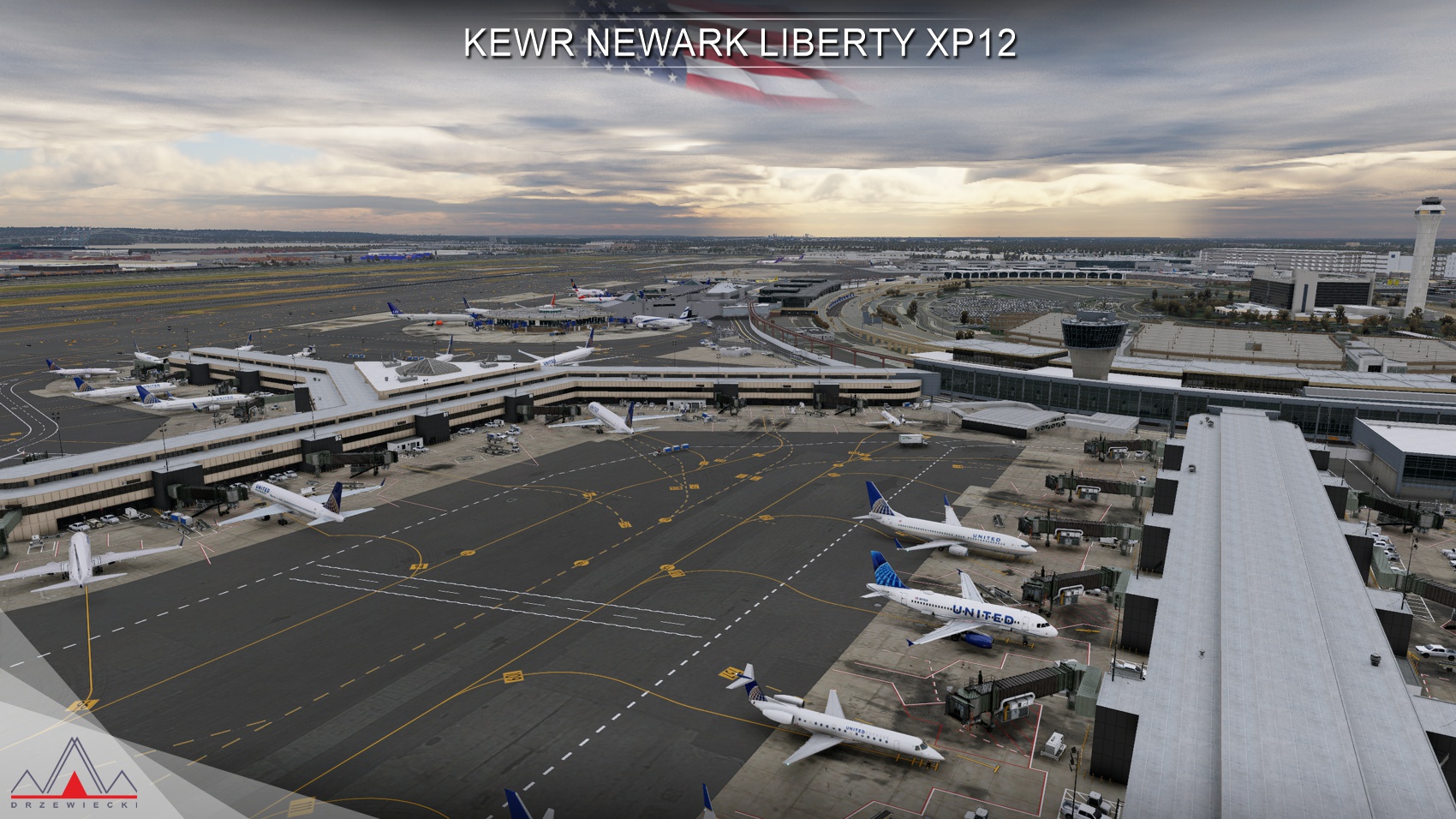
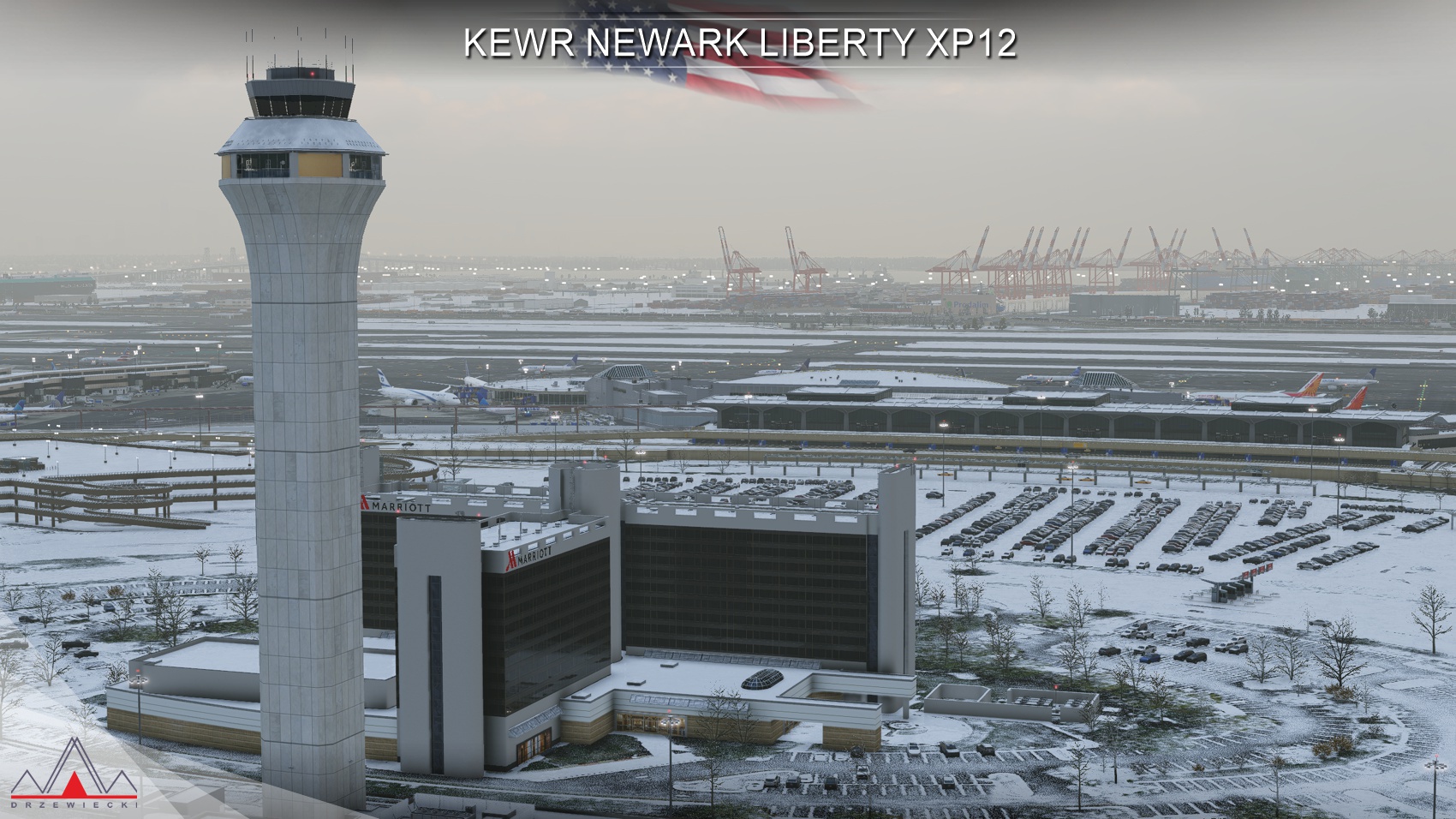
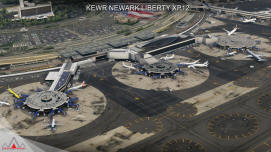
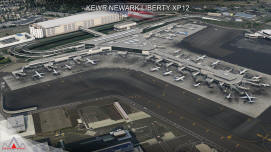
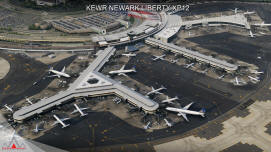
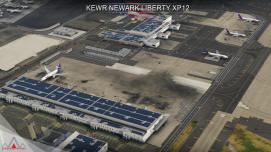
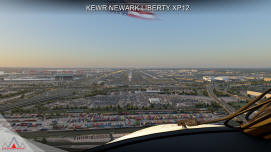
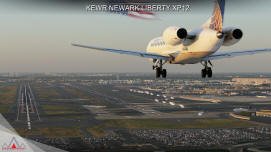
KEWR Newark Liberty XP12 is a highly detailed scenery of Newark Liberty International Airport in NJ, USA.
Newark Liberty International Airport (IATA: EWR, ICAO: KEWR, FAA LID: EWR), is a major international gateway
serving the New York metropolitan area. Located approximately 4.5 miles (7.2 km) south of downtown Newark, New Jersey,
the airport lies on the boundary between the cities of Newark and Elizabeth. It is owned jointly by the two municipalities
and operated under lease by the Port Authority of New York and New Jersey. Within the New York airport system, it is the
second-busiest airport after John F. Kennedy International Airport and plays a critical role in transatlantic and long-haul
operations.
Newark Liberty traces its origins to 1927, when Newark Mayor Thomas Raymond commissioned plans for a modern airport to
serve the rapidly growing region. Construction began on April 1, 1928, and the facility opened on October 1, 1928, as Newark
Metropolitan Airport. It became the first major airport serving the New York metropolitan area and the first airport in the
United States to feature a paved runway - a milestone in aviation infrastructure.
In 1930, Newark established one of the nation's first air traffic control towers and airport weather stations, setting early
standards for operational safety and structured airspace management. The Art Deco-style Administration Building, completed in
1934 and dedicated by Amelia Earhart in 1935, served as both terminal and control tower. The Brewster Hangar, constructed in
1937-1938, was among the most advanced hangars of its time and remains preserved as a historic structure.
Following World War II, Newark expanded steadily to accommodate the jet age. Runway lighting systems introduced in the 1950s
enabled routine nighttime operations. During the 1970s, the airport underwent a major transformation, with the opening of
Terminals A and B in 1973 and the eventual completion of Terminal C in 1988, establishing the modern three-terminal configuration.
A monorail system connecting terminals, parking facilities, and rental car areas began operation in 1996. In 2000, the historic
Administration Building was relocated and preserved as Building One, now housing administrative offices.
After the events of September 11, 2001 - including the departure of United Airlines Flight 93 from Newark - the airport was renamed
Newark Liberty International Airport in 2002. The name reflects both the Statue of Liberty and the broader symbolic significance of
freedom.
A major redevelopment program approved in 2016 replaced the original Terminal A with a new state-of-the-art facility, significantly
enhancing passenger capacity, security flow, and operational efficiency.
The airport functions as a primary transatlantic hub and a major domestic gateway, particularly to high-demand markets such as Orlando,
Los Angeles, and San Francisco. International service includes frequent long-haul operations to Europe, the Middle East, and select
destinations in Asia and South America.
Newark serves as a major hub for United Airlines and hosts significant operations by JetBlue, Spirit Airlines, and American Airlines.
The airport supports both passenger and cargo operations and handles a mix of narrowbody and widebody aircraft, including long-range
intercontinental traffic. Its proximity to Manhattan - approximately 14 miles (23 km) - combined with direct rail connectivity via
the Northeast Corridor, makes EWR one of the most strategically positioned airports in the United States.
Today, Newark Liberty International Airport stands as one of the country's most historically significant and operationally complex air
transport facilities, combining early aviation heritage with modern hub-level infrastructure.
Newark Liberty operates within one of the most complex and densely controlled airspace environments in the world.
As part of the New York metropolitan airspace system, KEWR functions in close coordination with JFK and LaGuardia airports,
requiring highly structured arrival and departure flows, precise runway utilization strategies, and advanced ATC sequencing.
Pilots operating into Newark frequently experience complex STAR transitions, tight vectoring, and simultaneous operations on
intersecting runway systems, making it both an operationally demanding and rewarding destination.
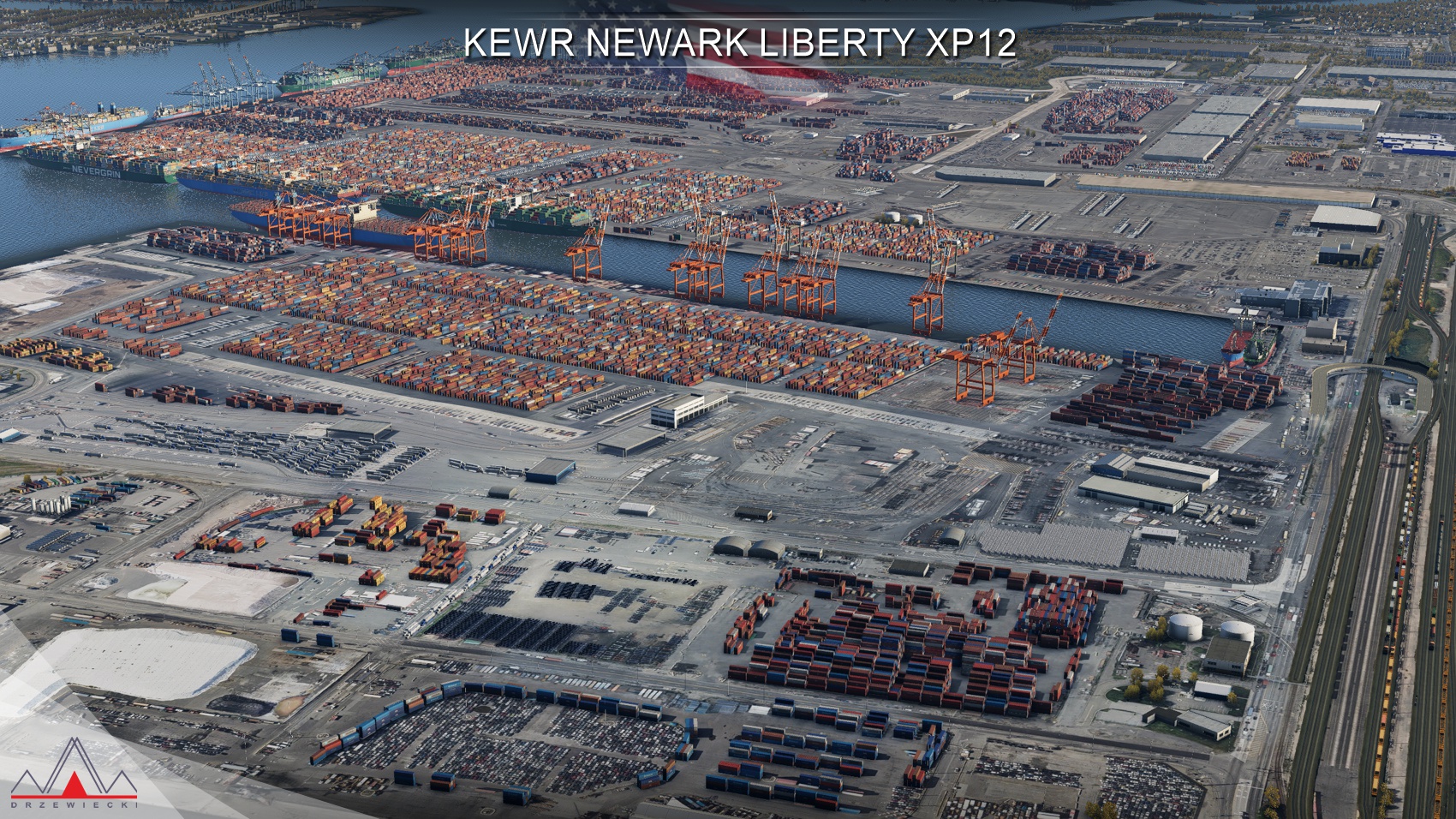
The airport is also notable for its significant cargo infrastructure and strategic geographic positioning along the U.S.
Northeast Corridor. With direct rail connections, highway access, and proximity to major maritime ports, KEWR serves as an important
logistics hub in addition to its passenger role. Its combination of intercontinental traffic, high-frequency domestic operations,
and heavy cargo activity makes it one of the most dynamically balanced airports in North America.
|
|
|
INSTALLATION
For manual install please refer to 'Mac and Linux manual install' files attached to the product. They provide a detailed
instruction on the manual install of the product. The Windows installer is fully automatic though you can perform a manual
install in Windows as well.
PLUGINS
This scenery requires external plugins for full functionality. Please ensure that the latest versions of Living Scenery Technology (LST) and openSAM are installed and properly configured in your X-Plane 12 Plugins folder.
These plugins enable animated jetways, dynamic ground elements, and advanced interactive features included in the scenery. Detailed installation instructions for both plugins are provided in the included manual and during install.
|
|
SCENERY FEATURES
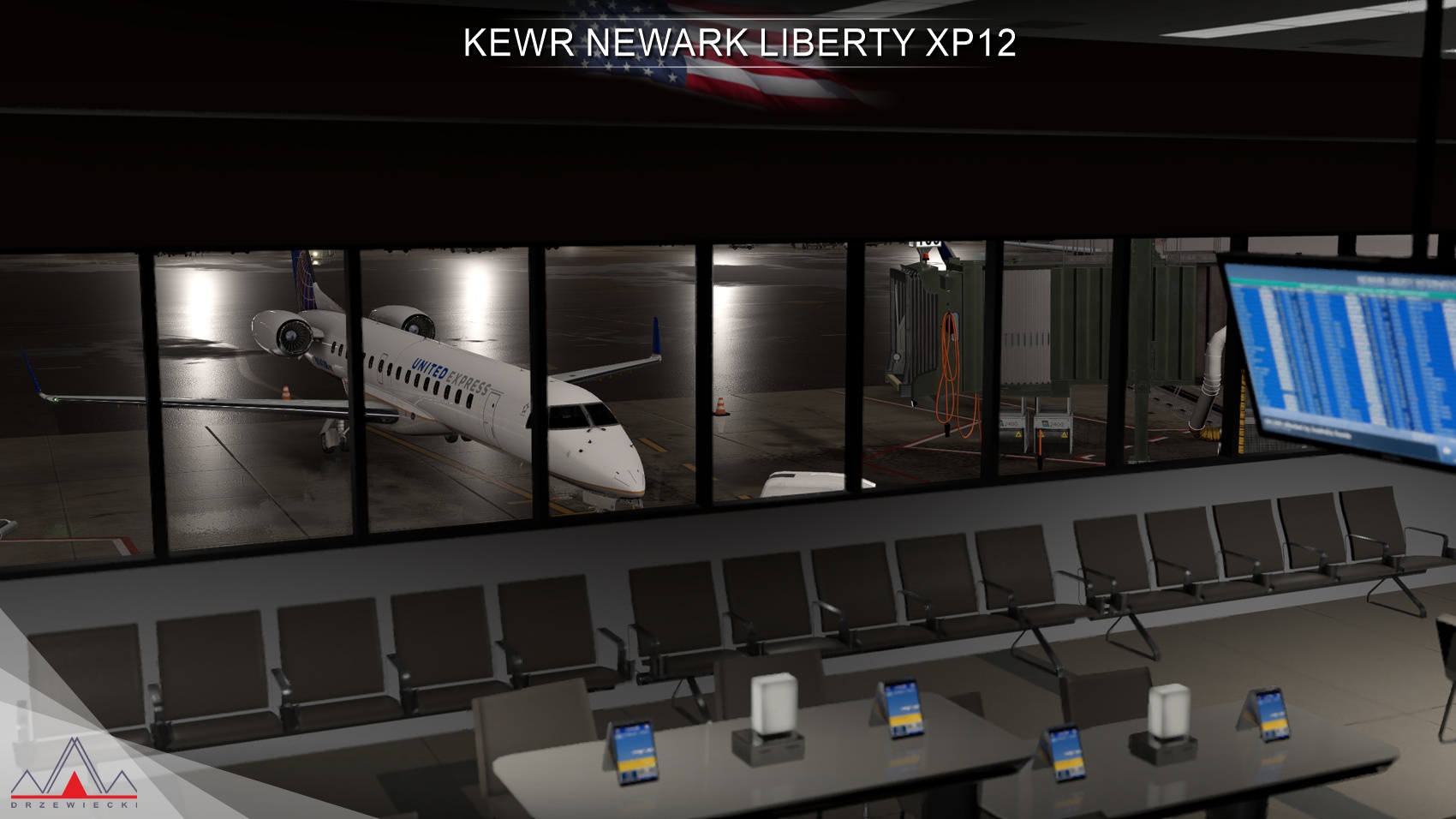
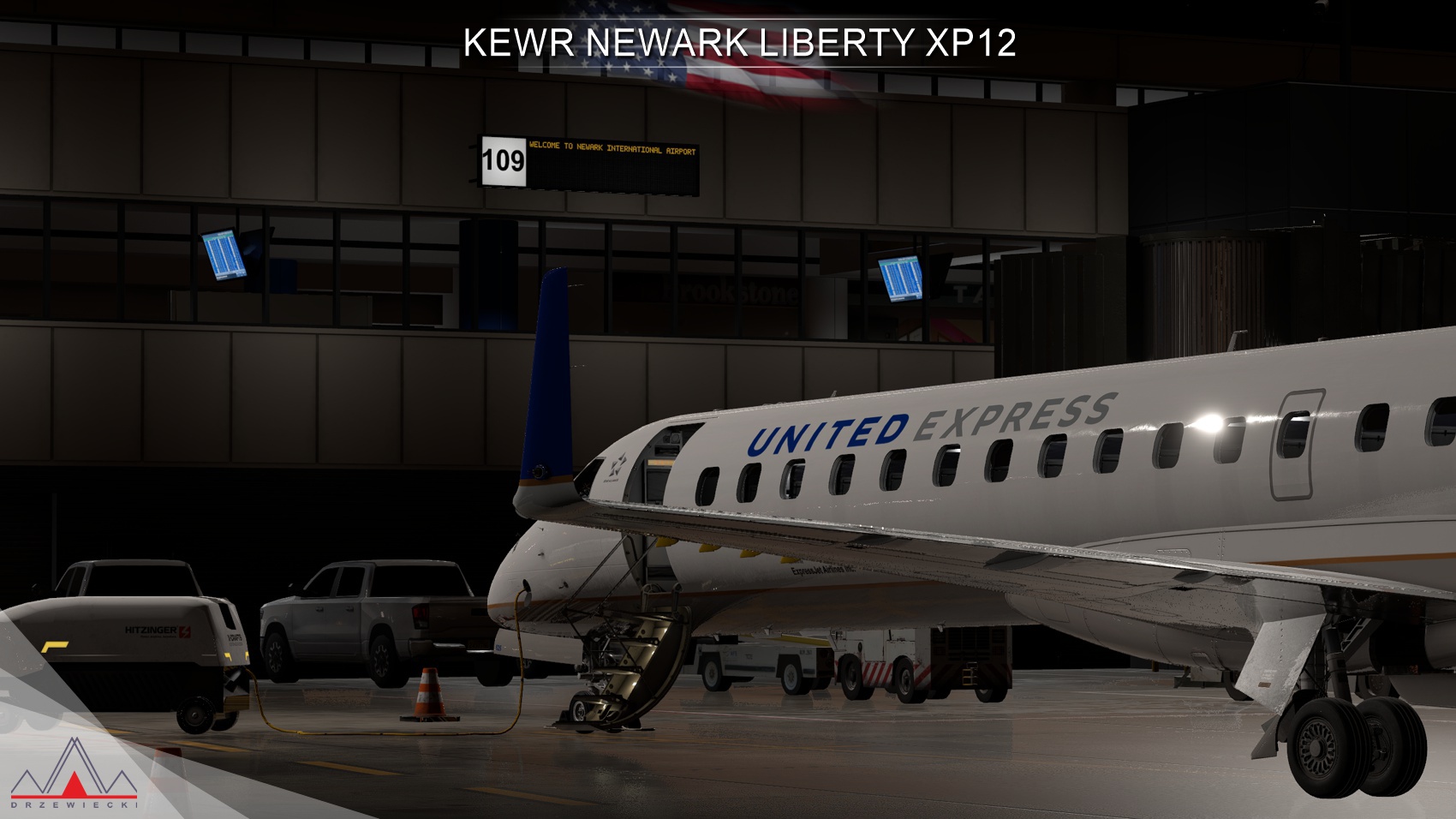
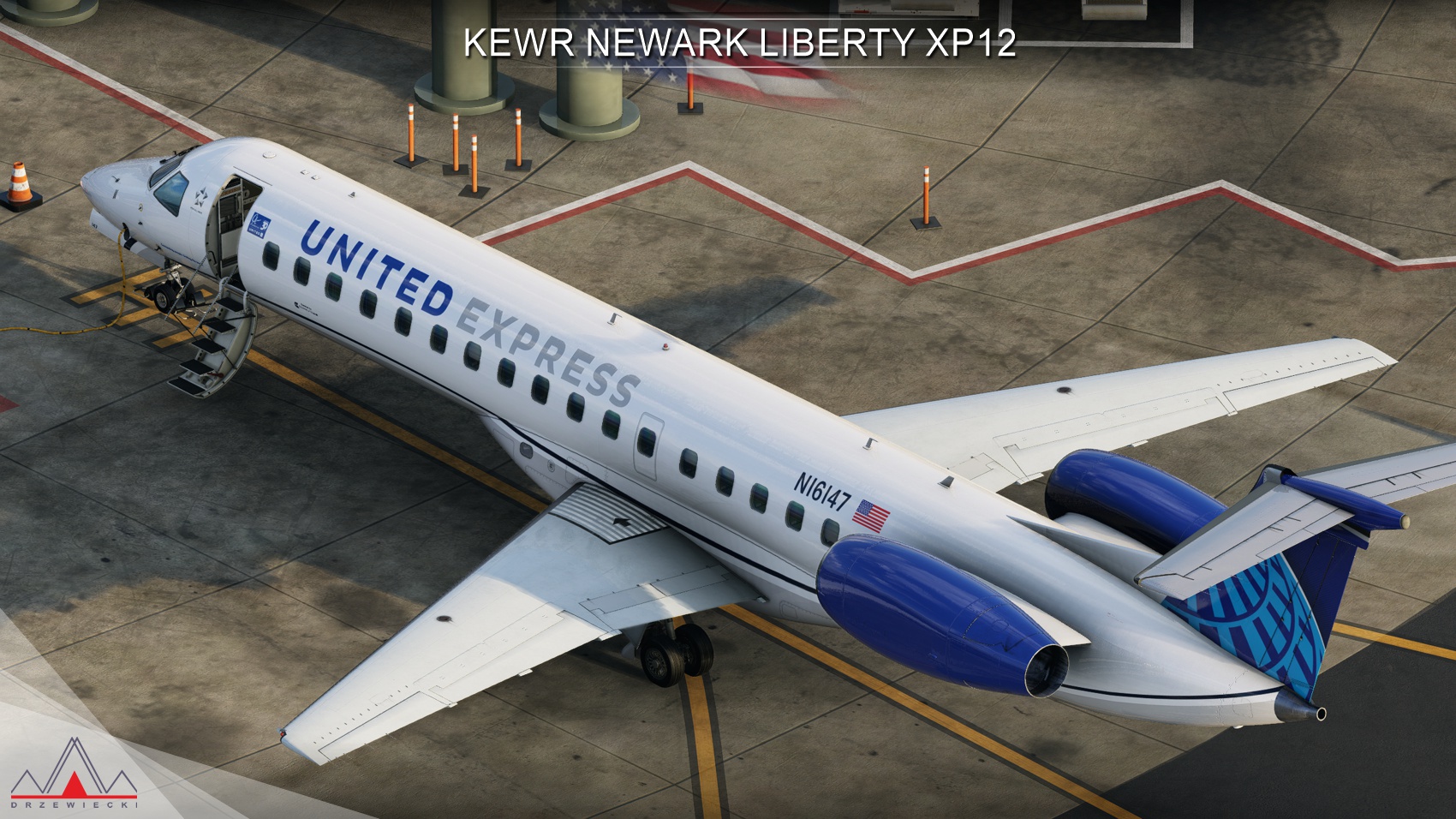
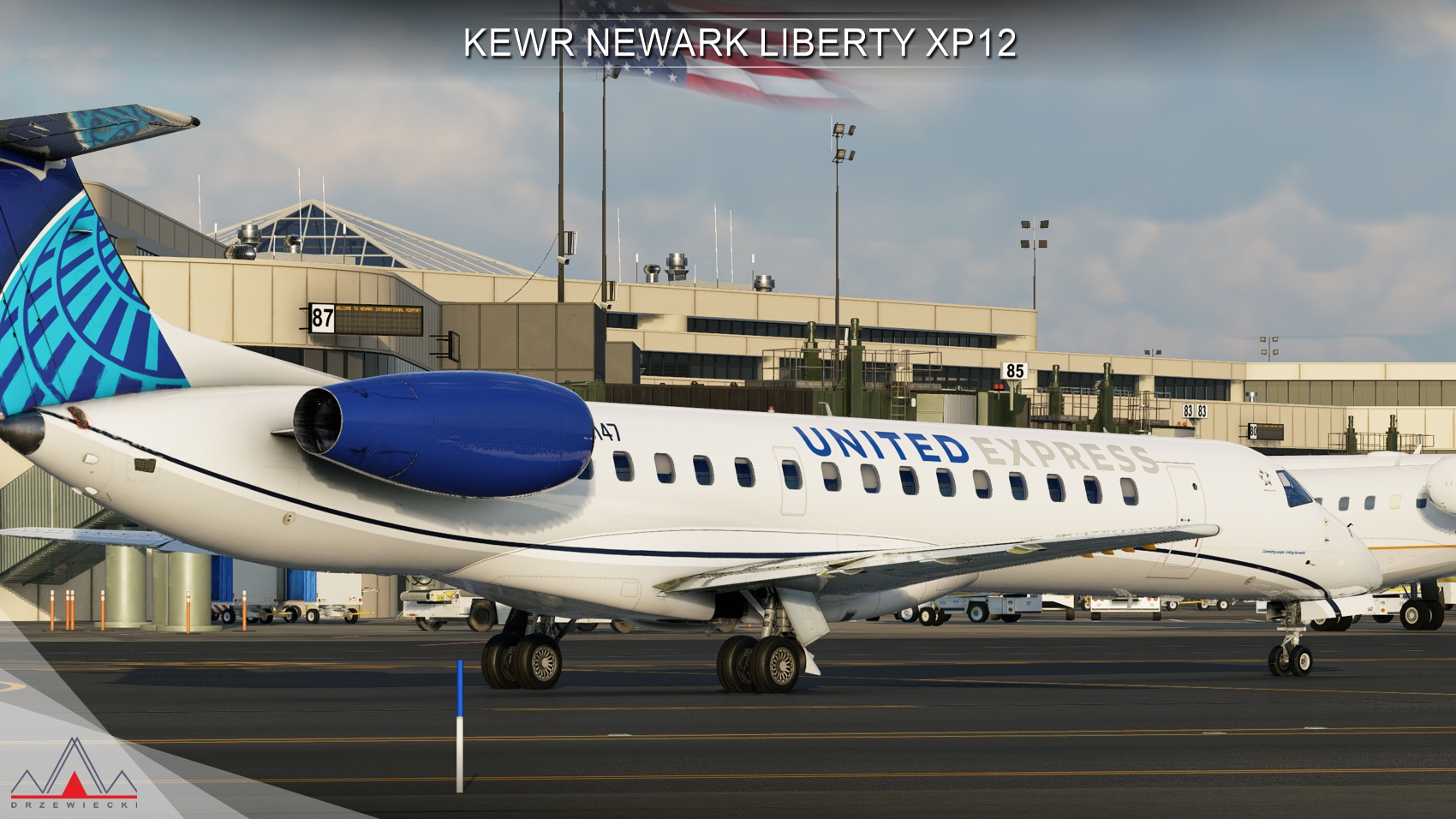
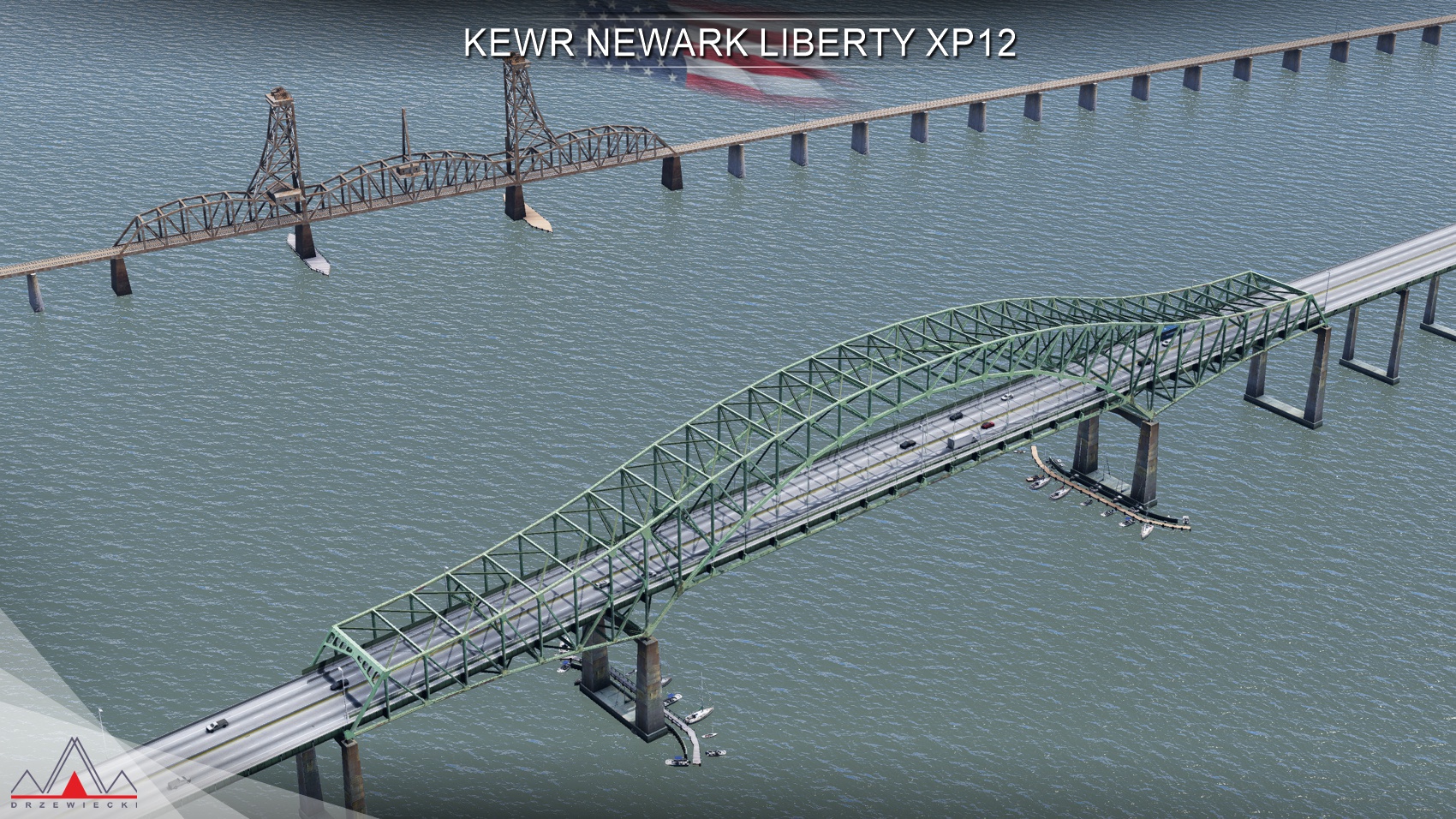
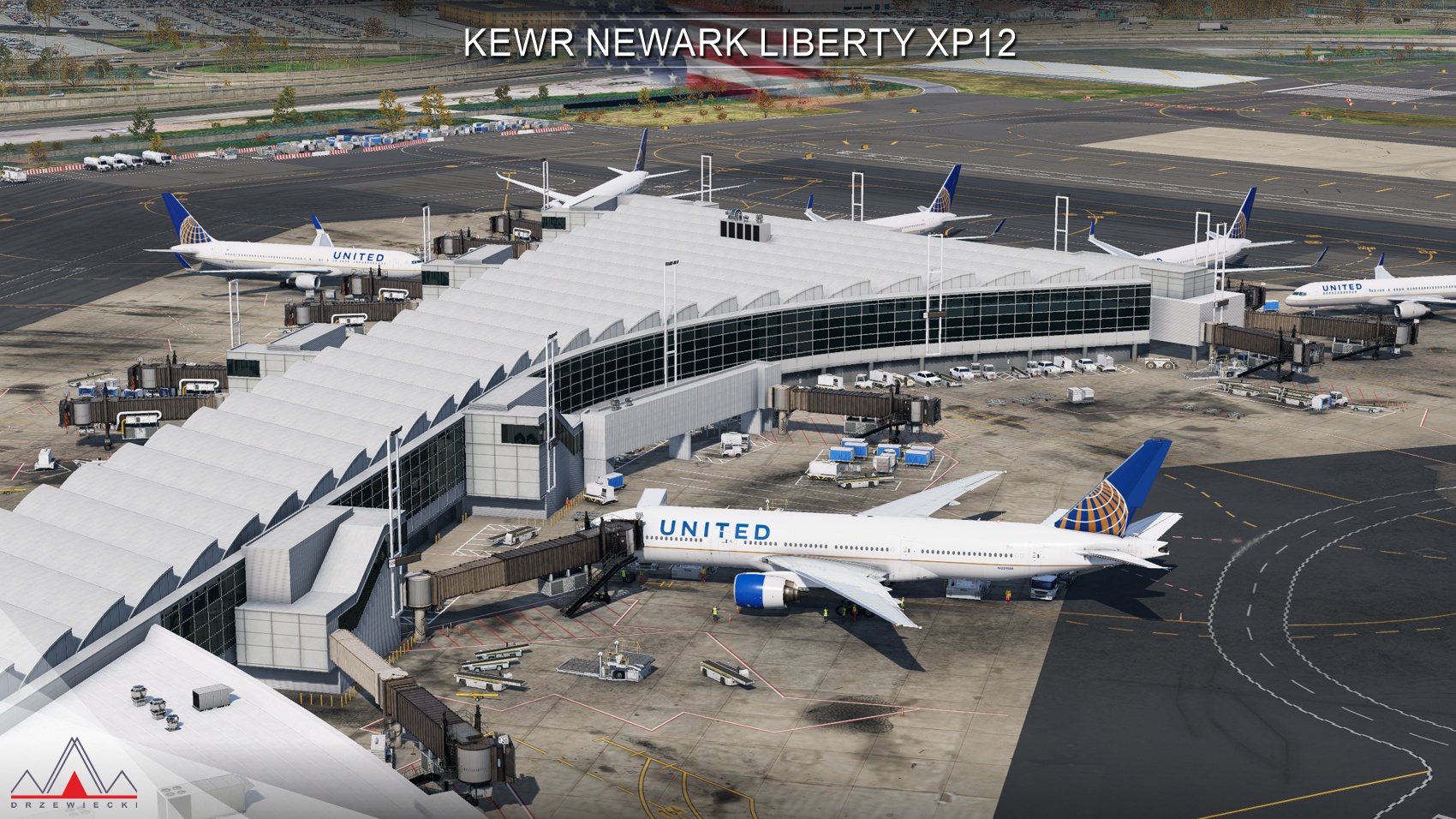
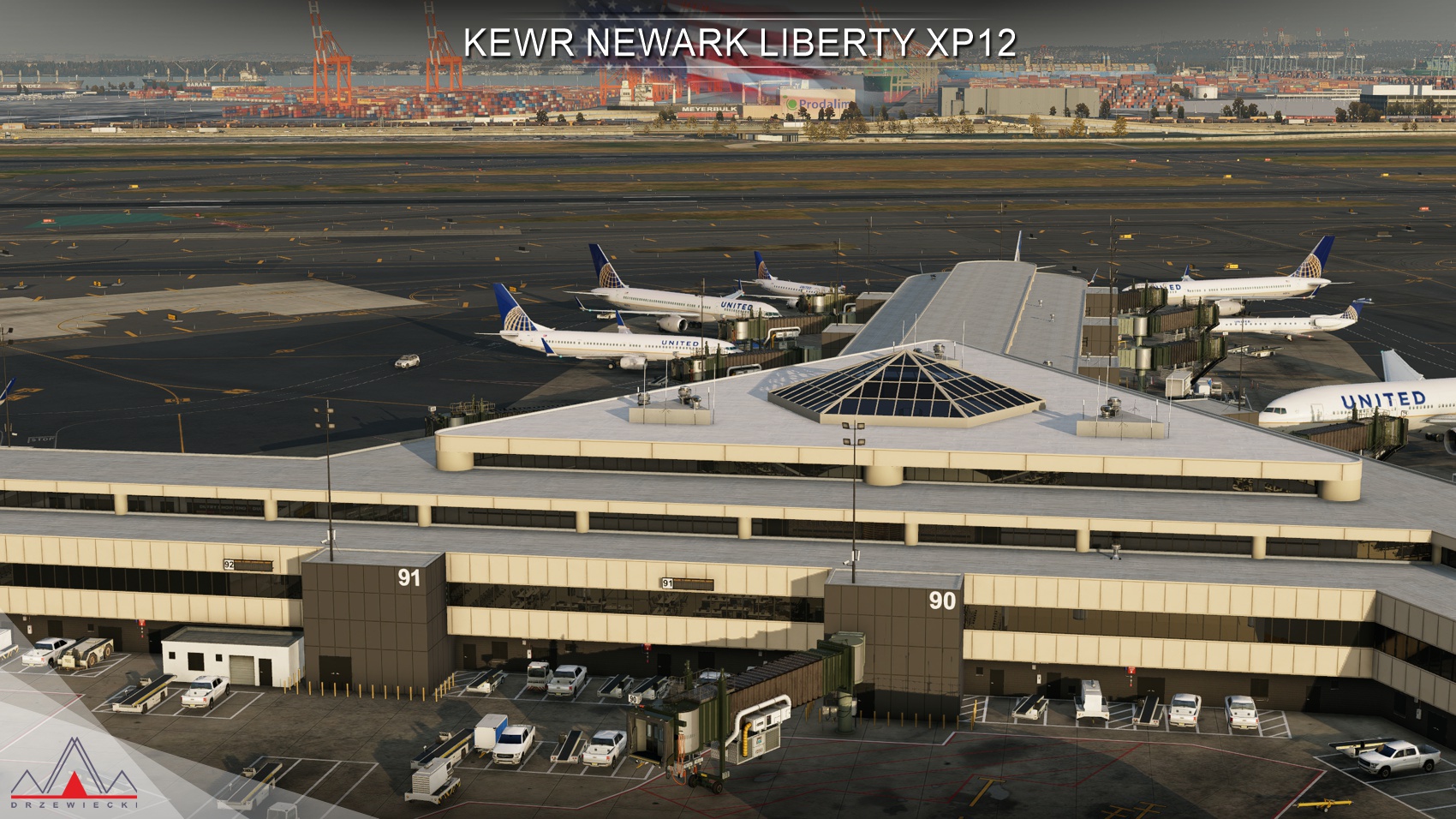
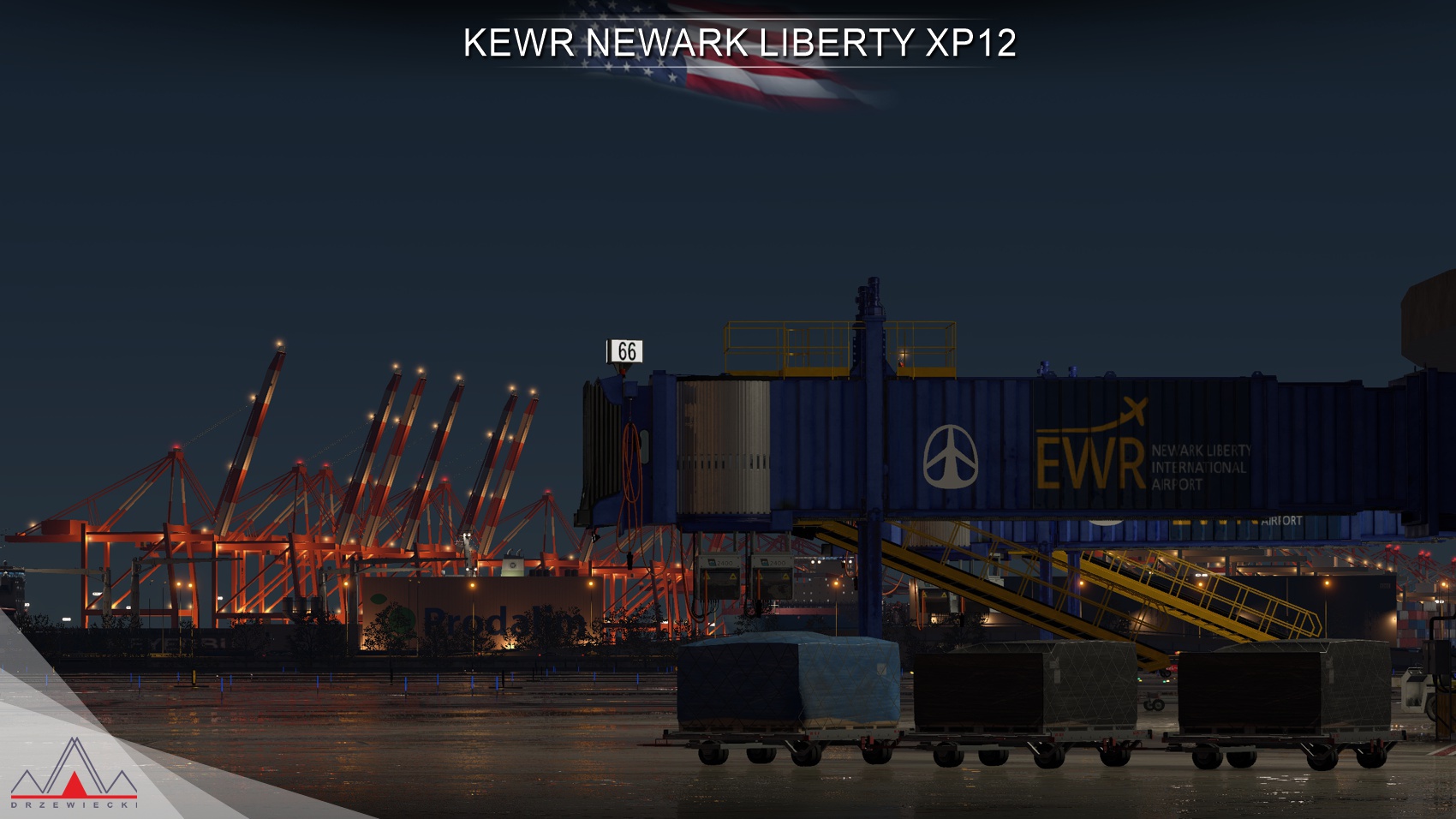
High-quality rendition of KEWR Newark Liberty International Airport for X-Plane 12, featuring the latest airport layout with extensive detail across the entire airfield.
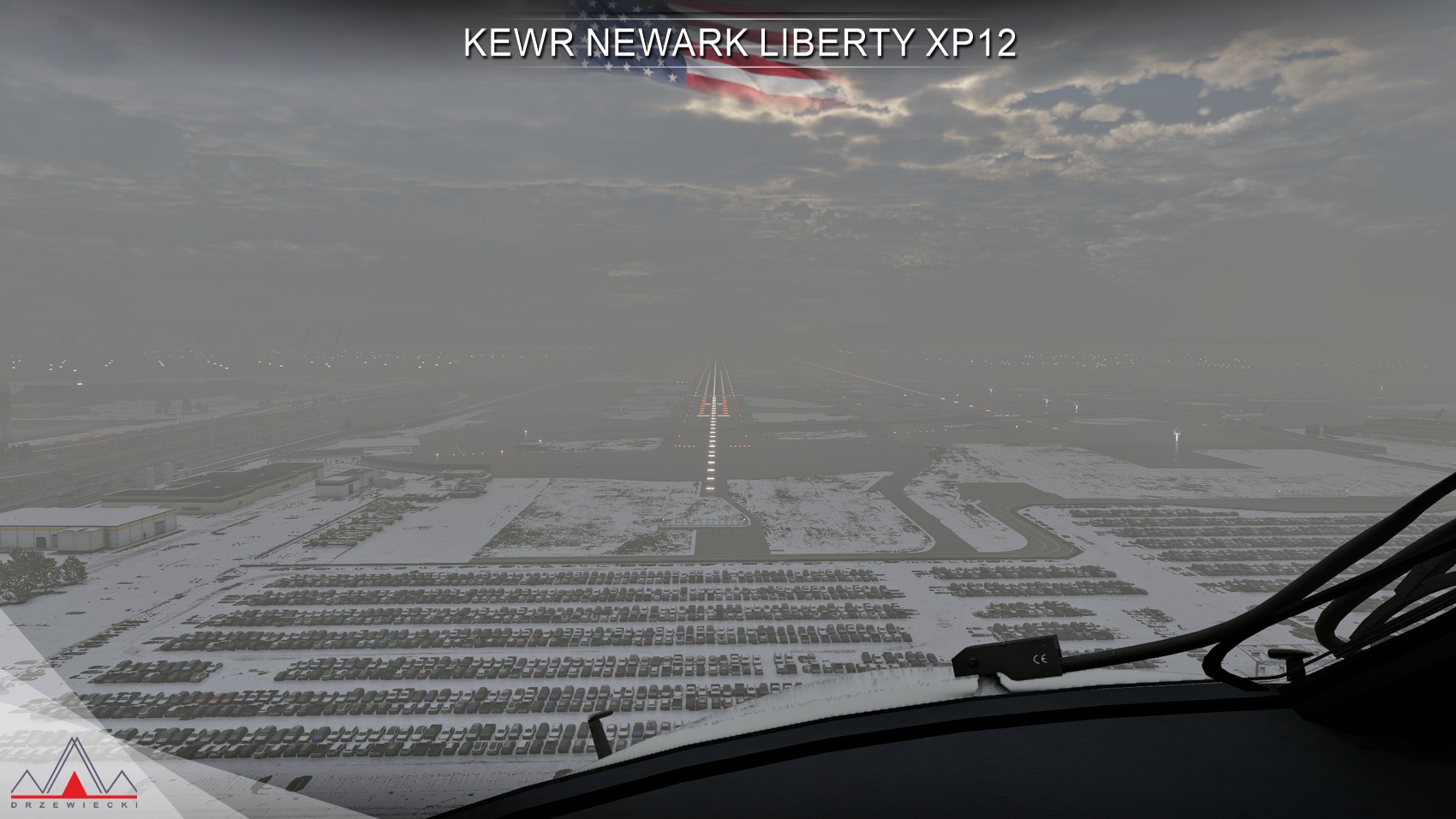
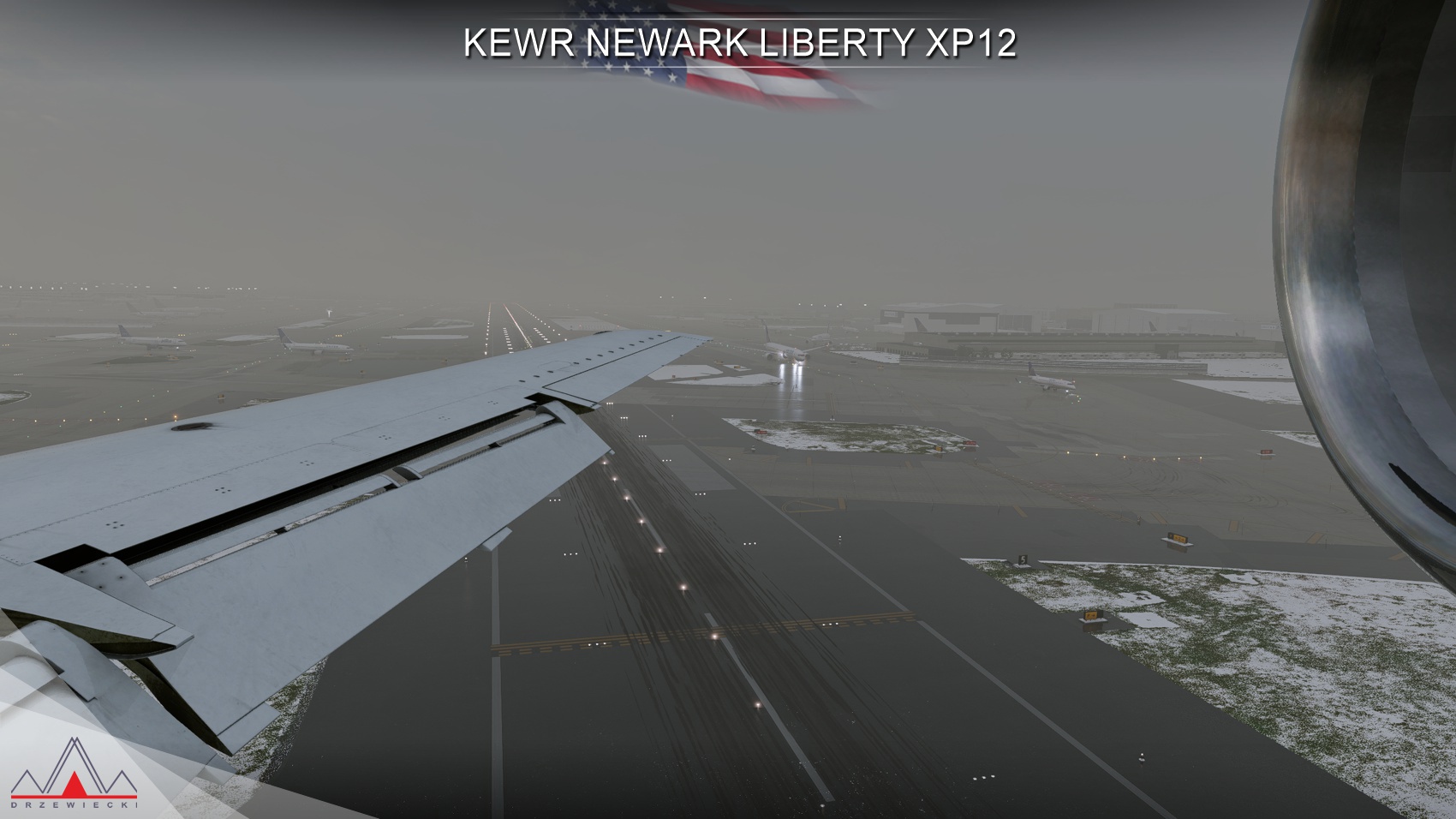
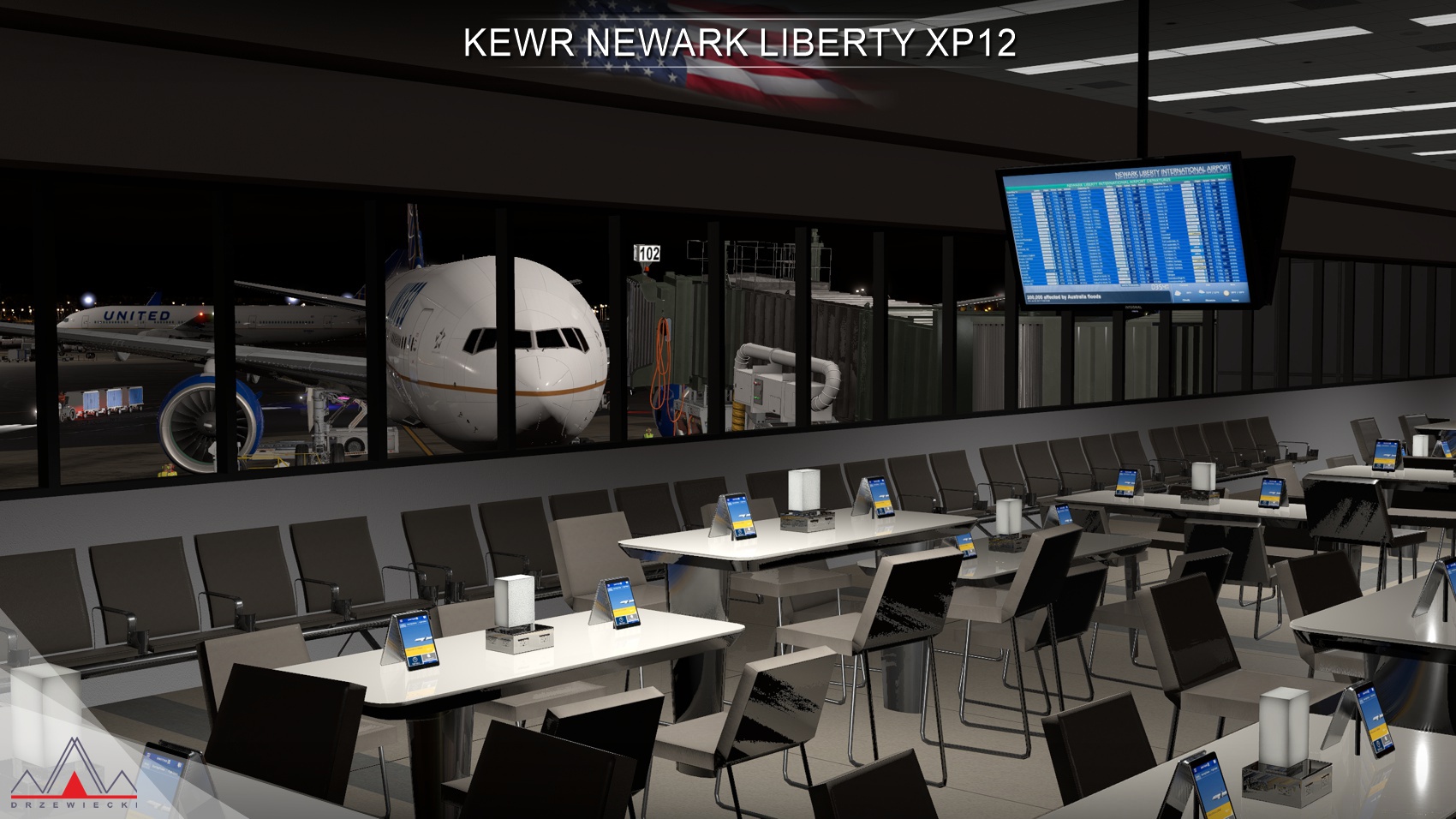
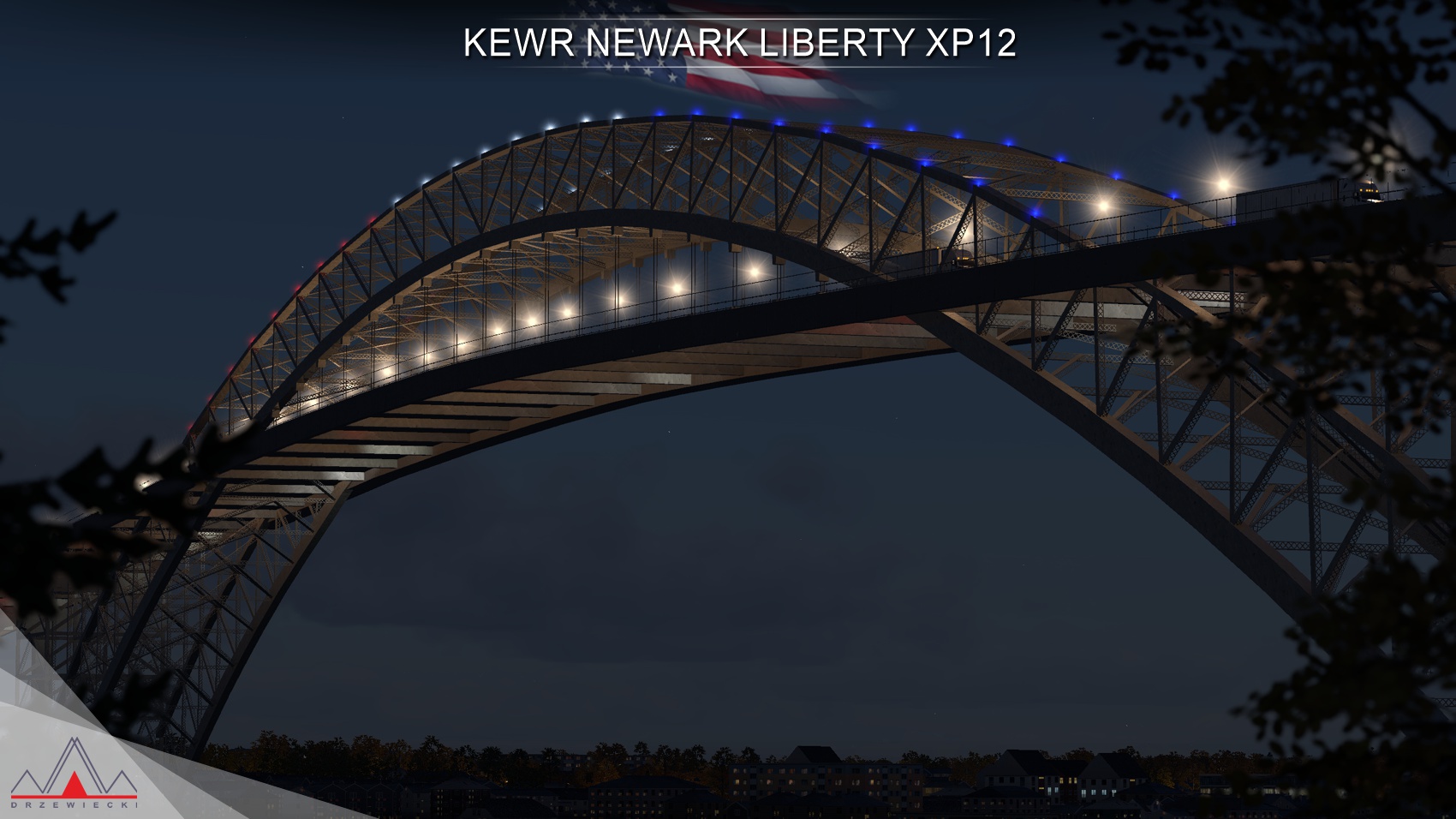
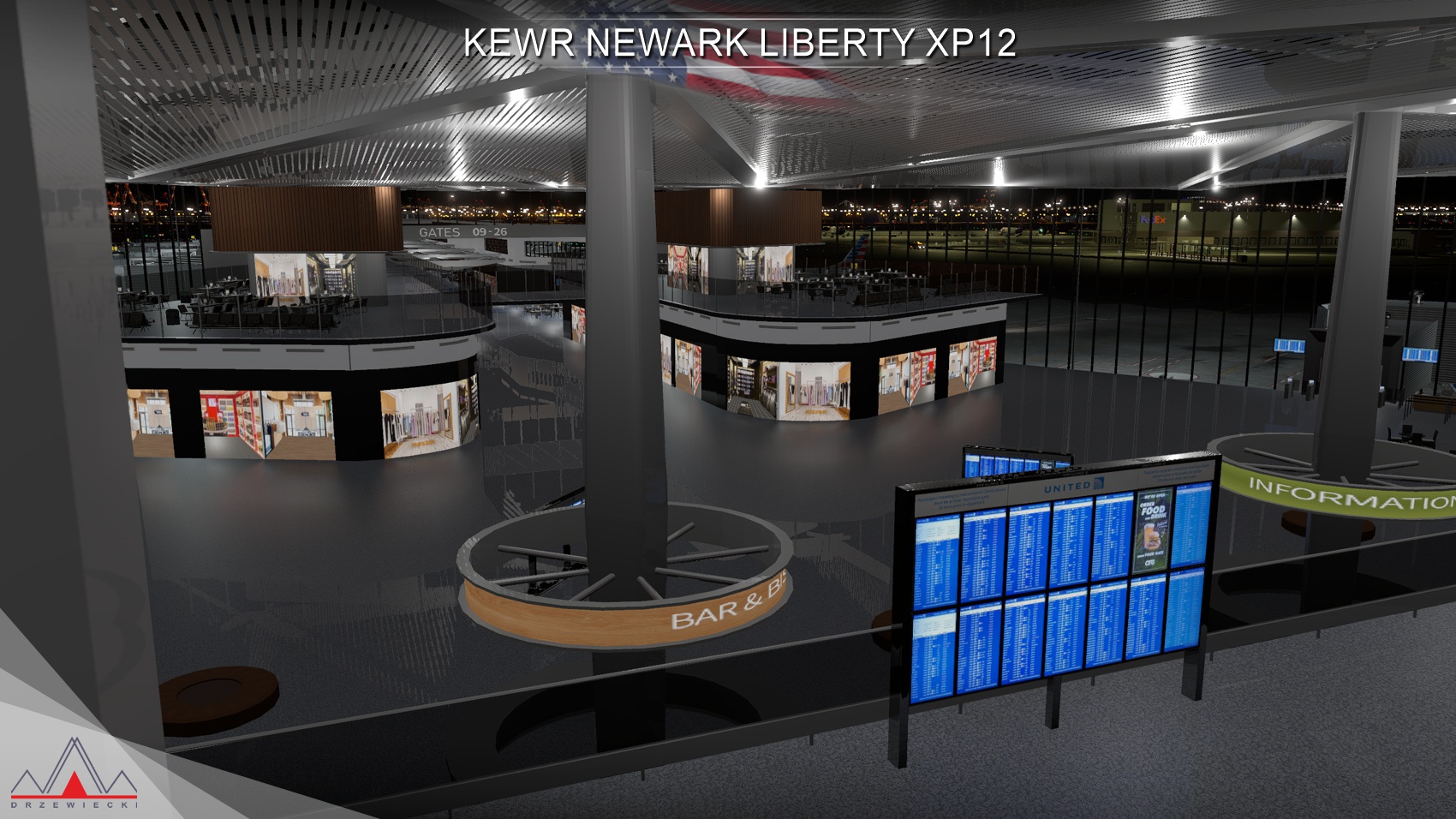
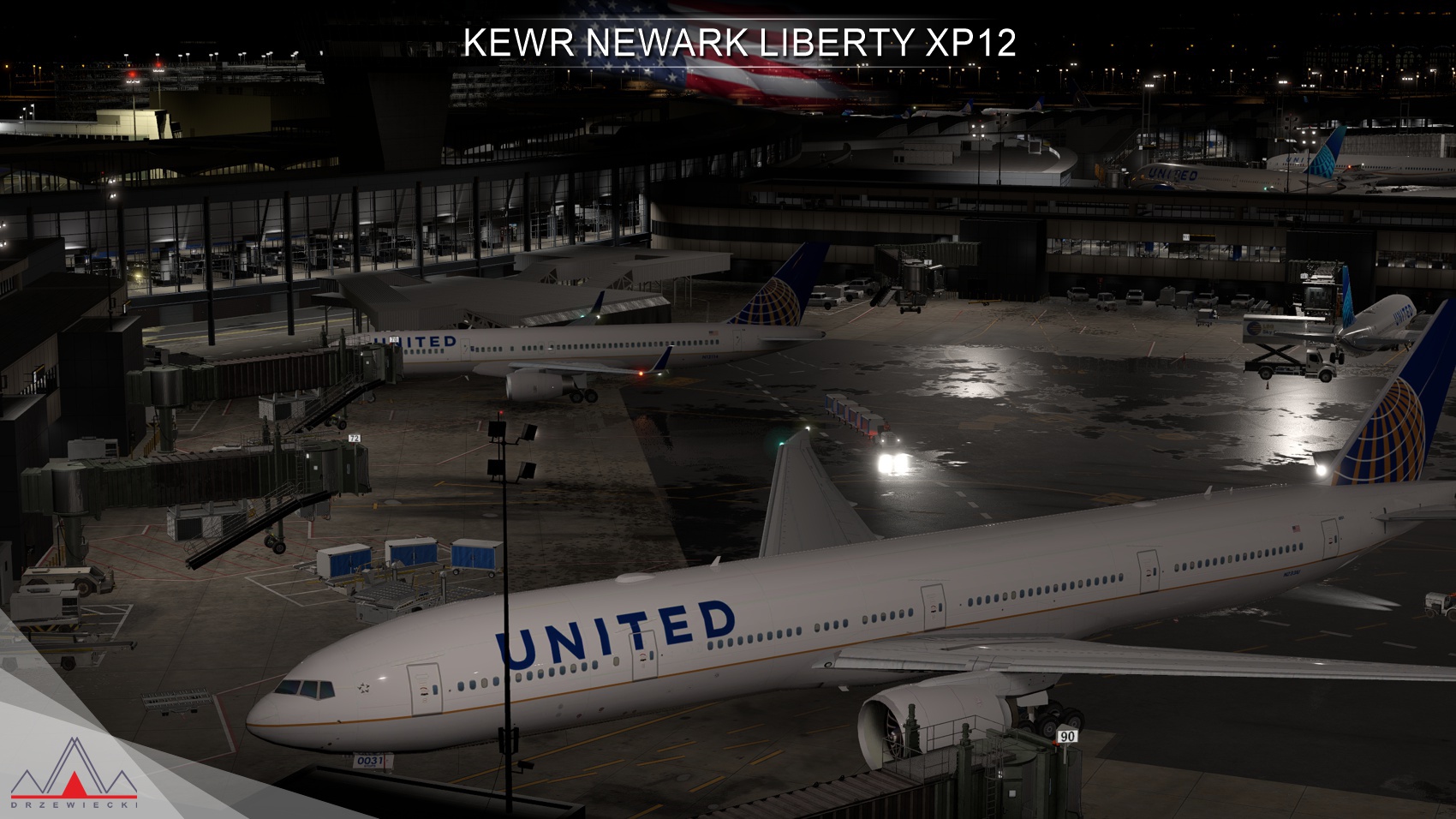
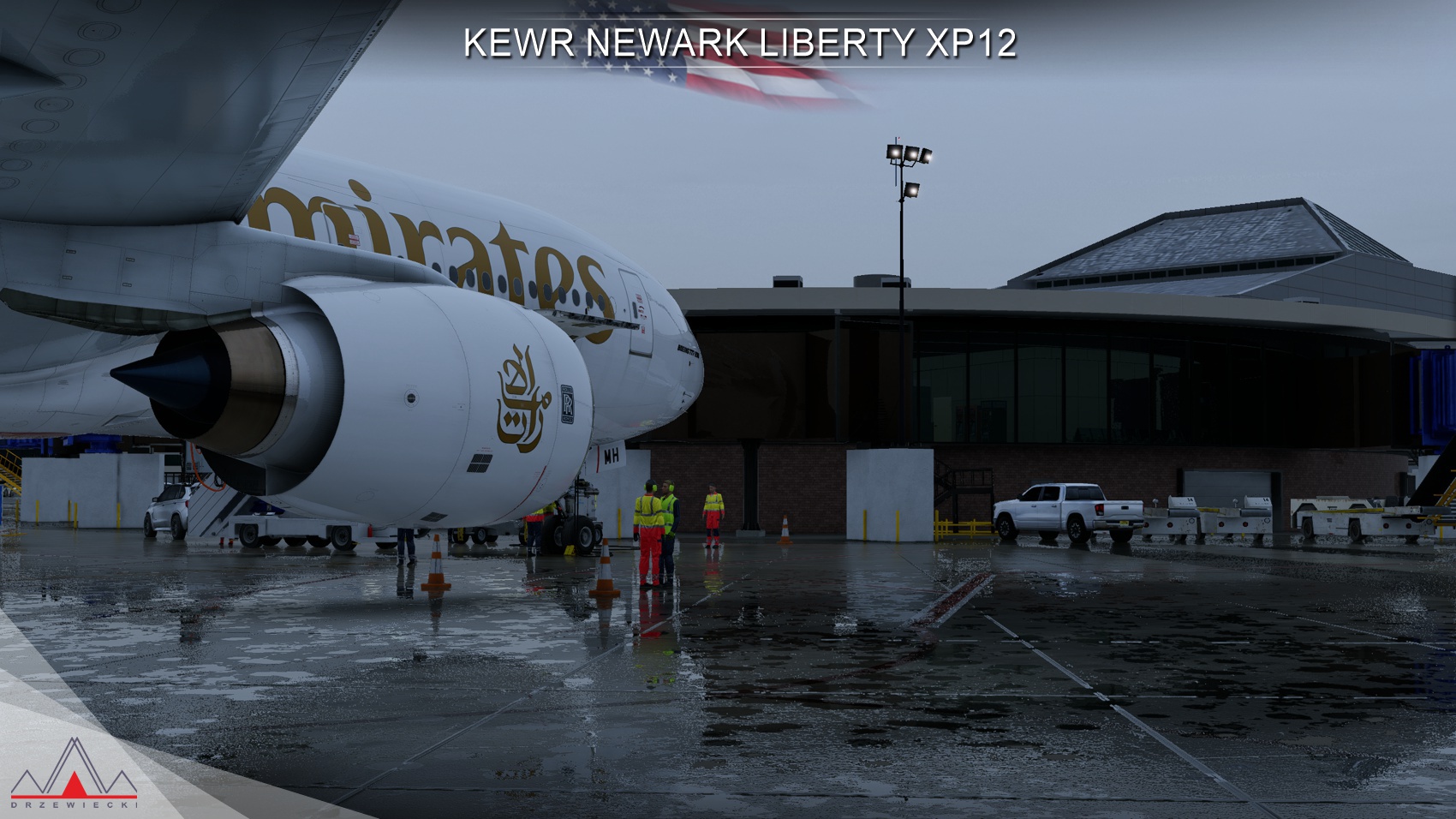
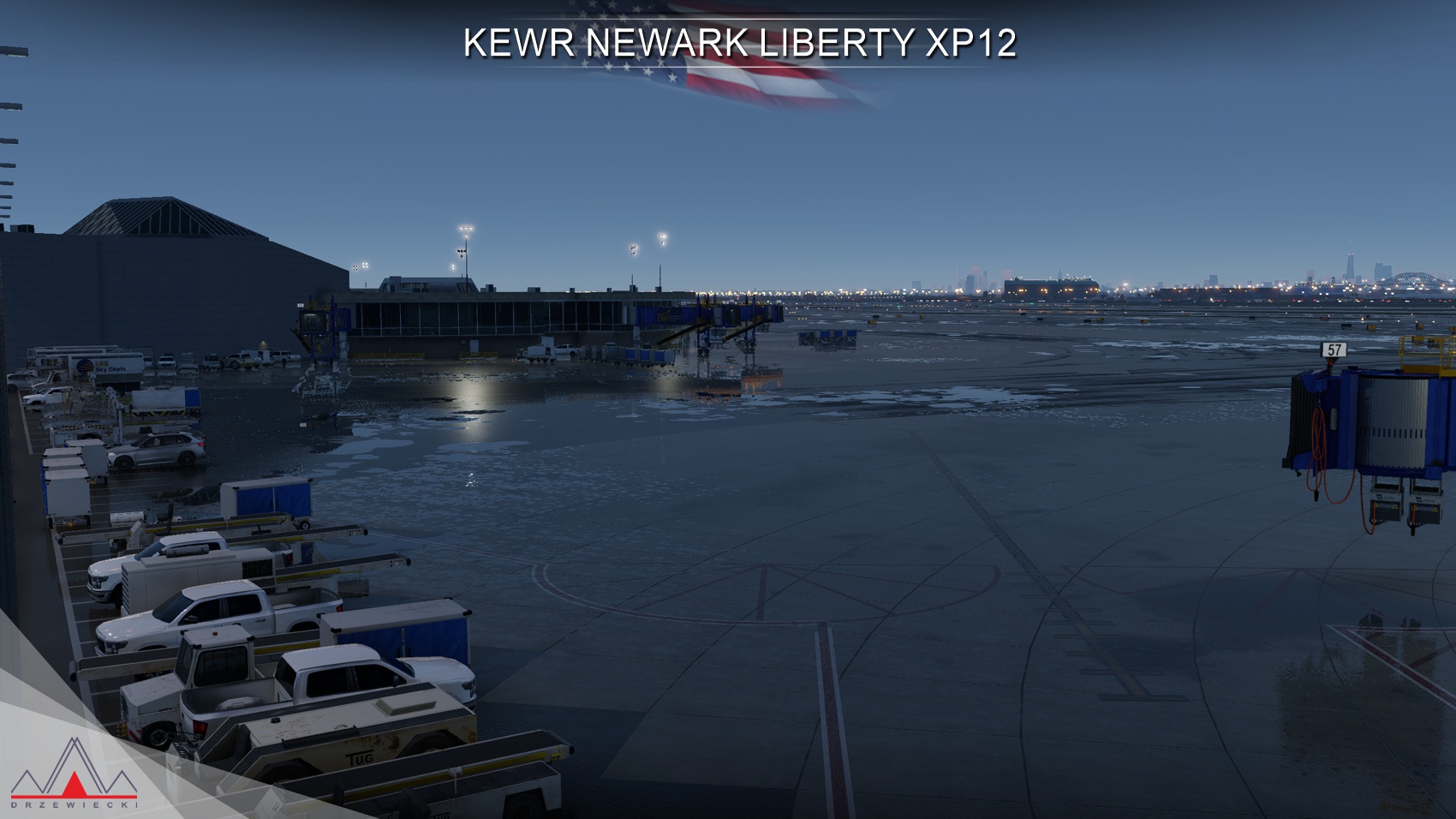
Optimized for performance, with X-Plane 12 native materials, full PBR texturing, advanced night lighting, and weather-responsive surface effects.
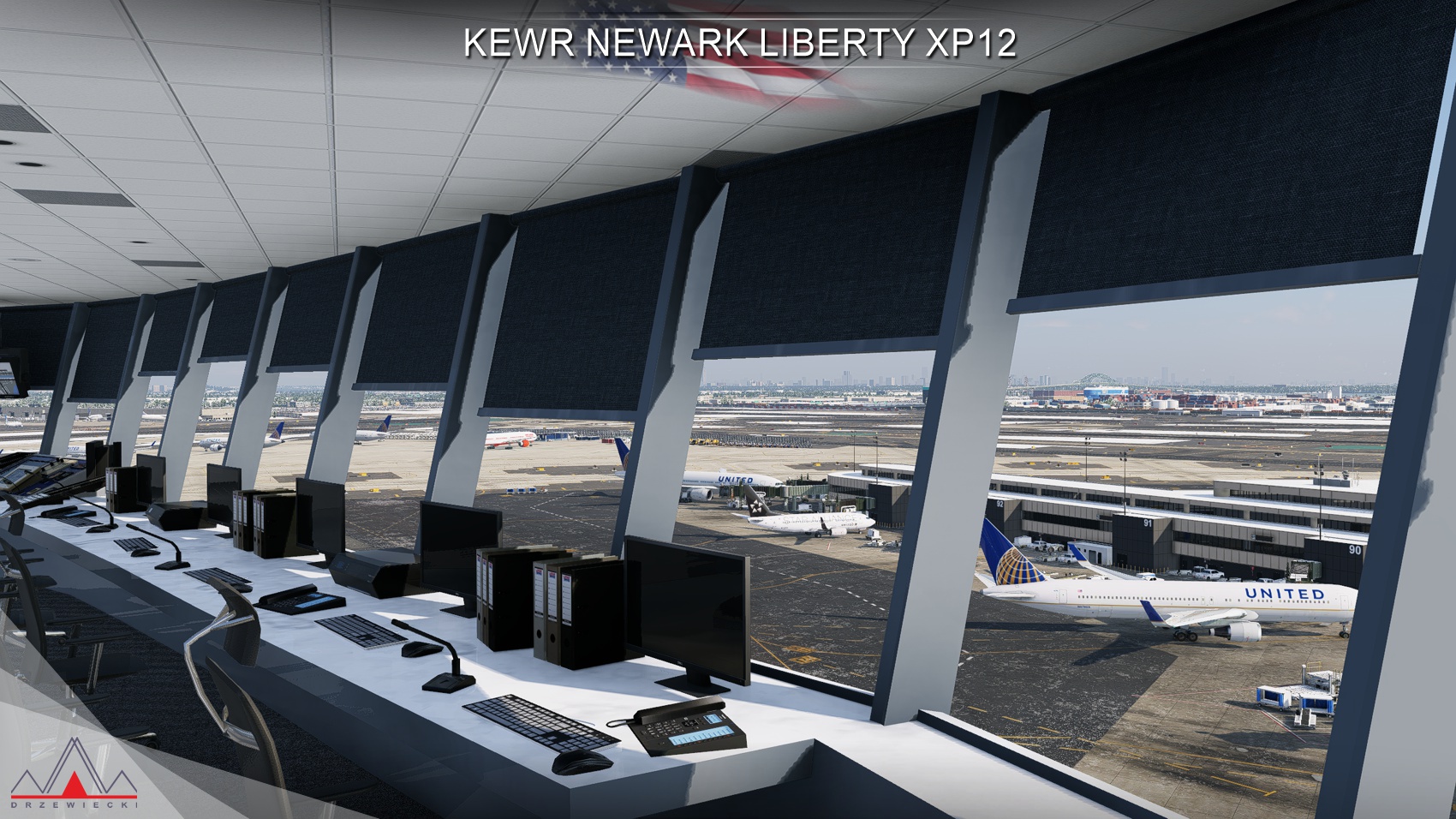
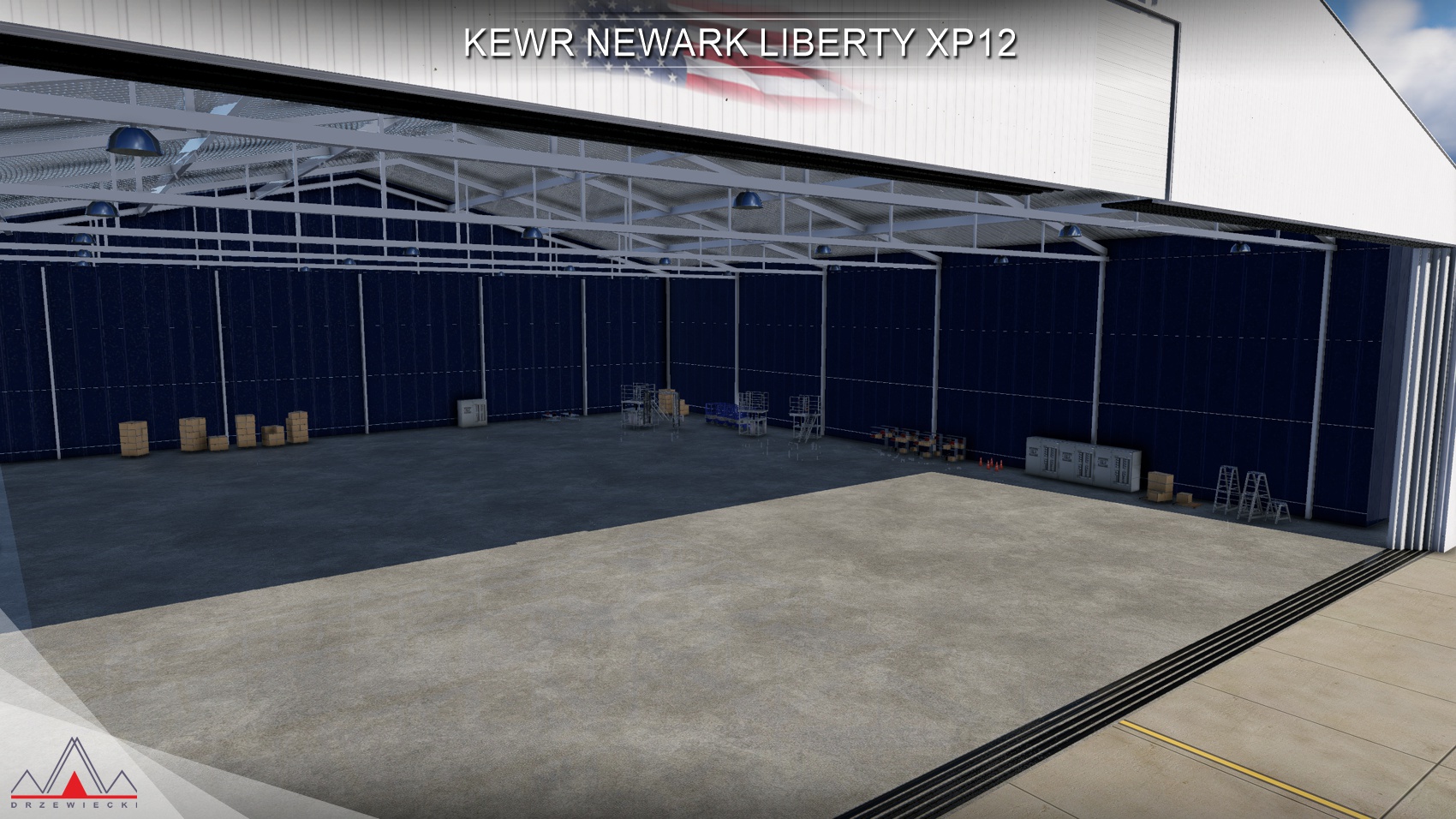
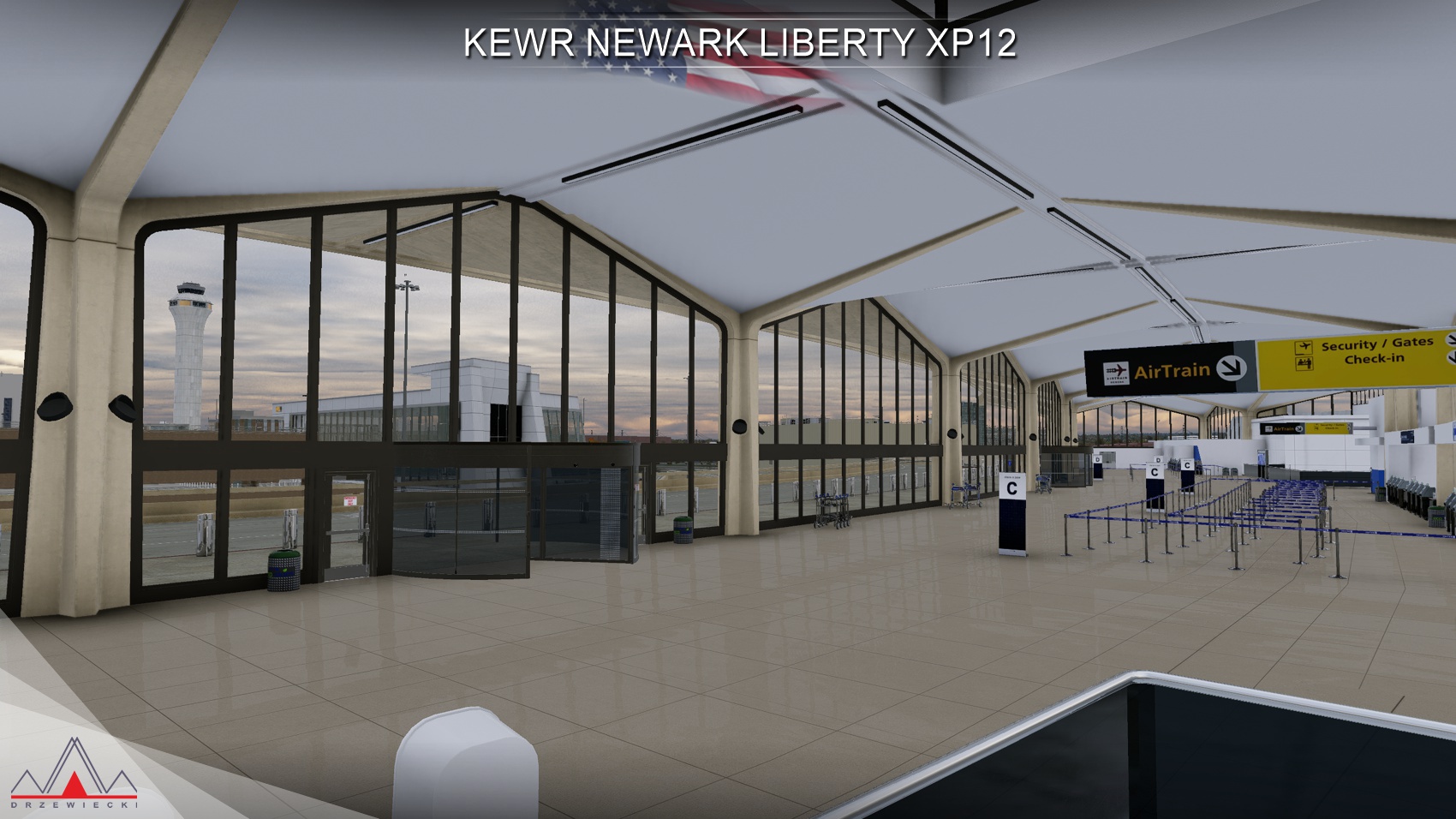
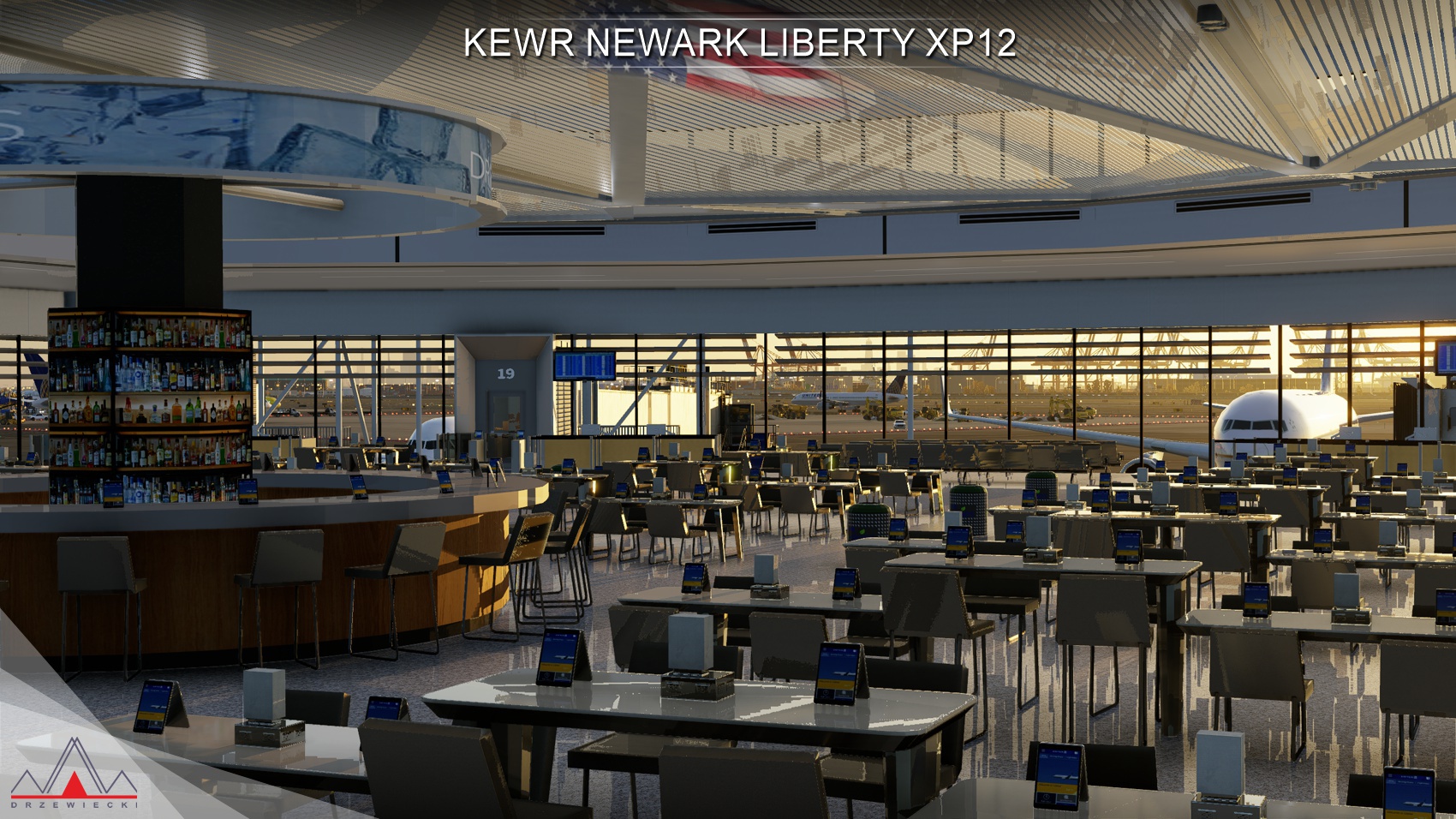
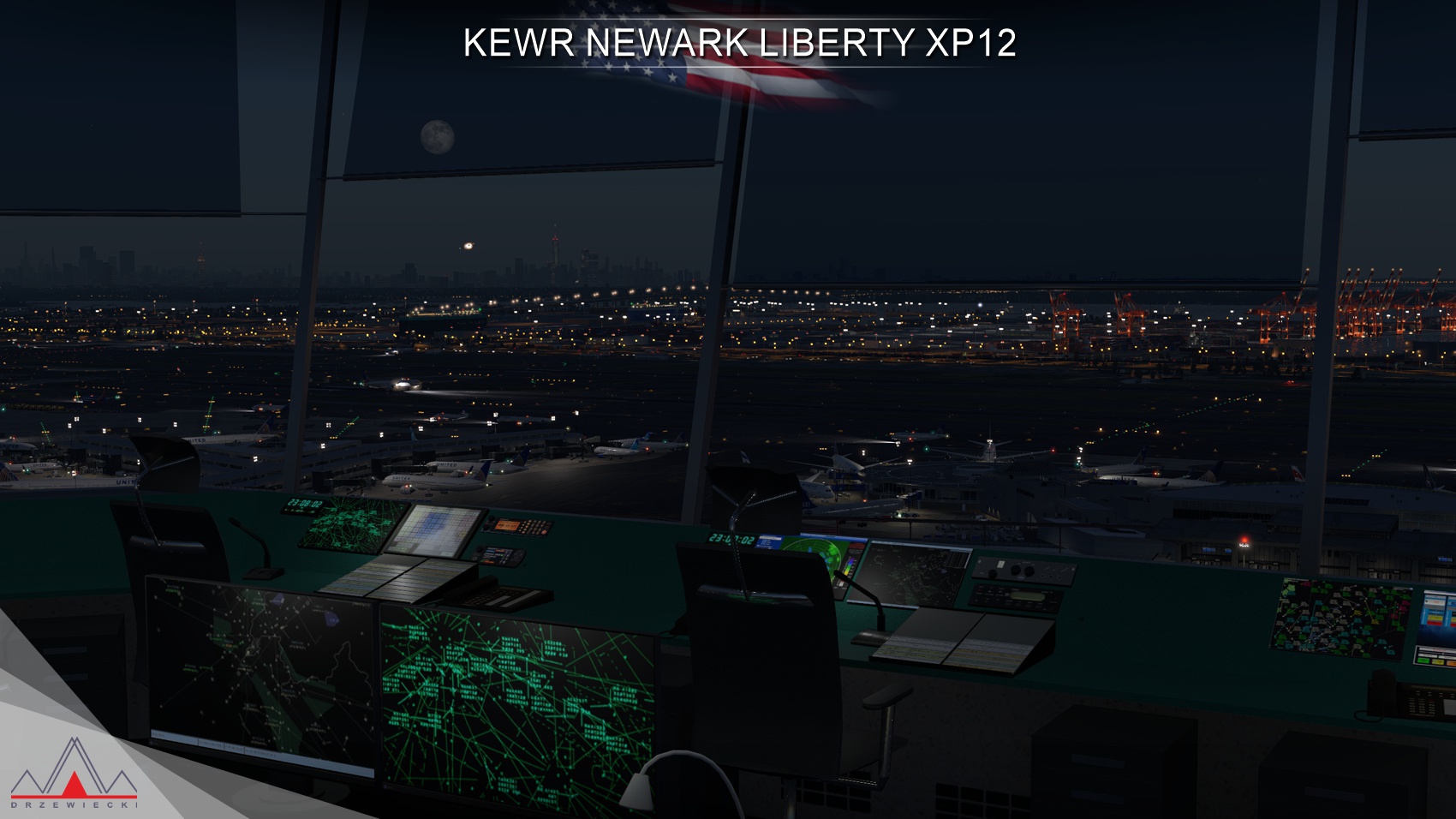
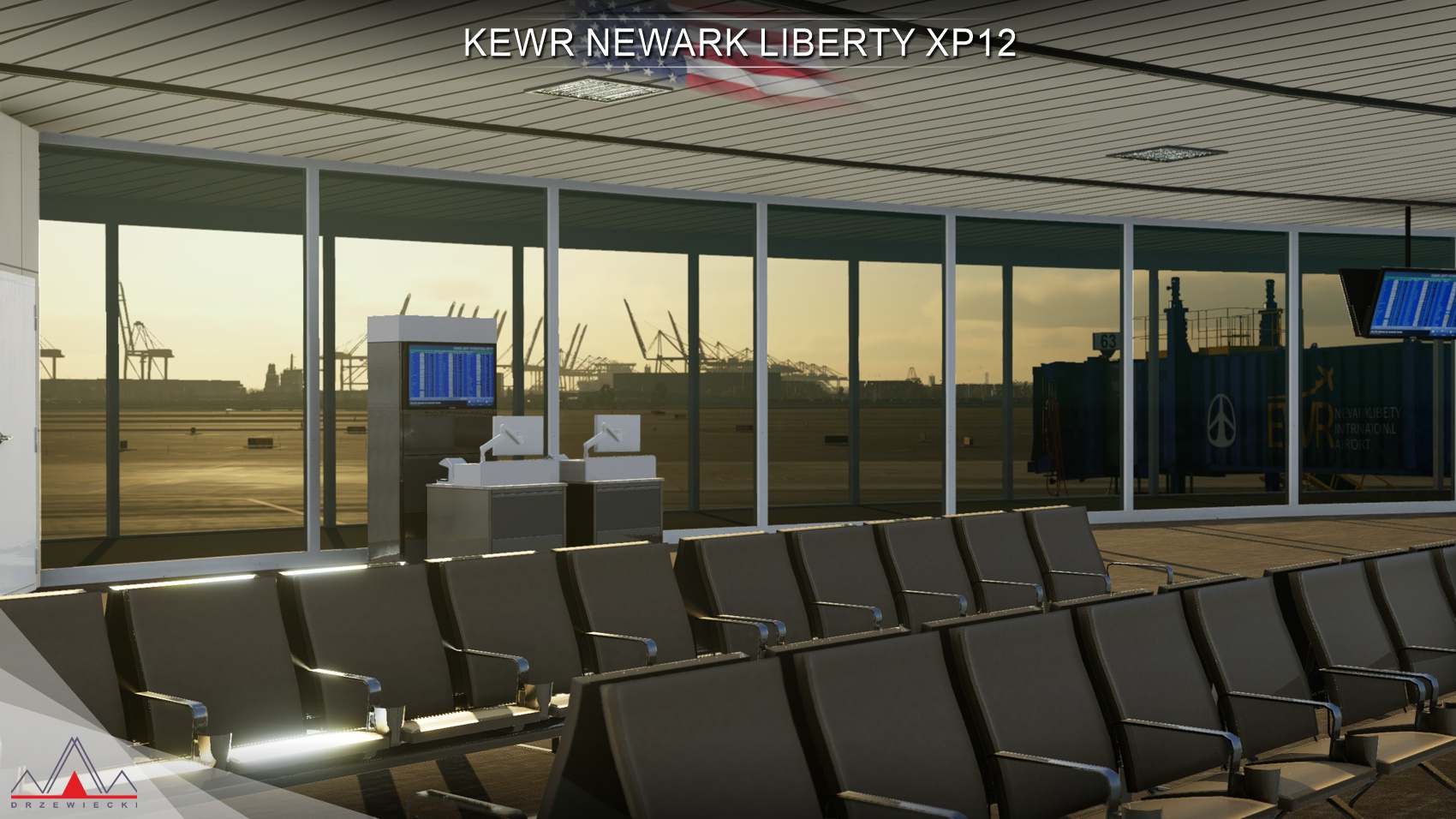
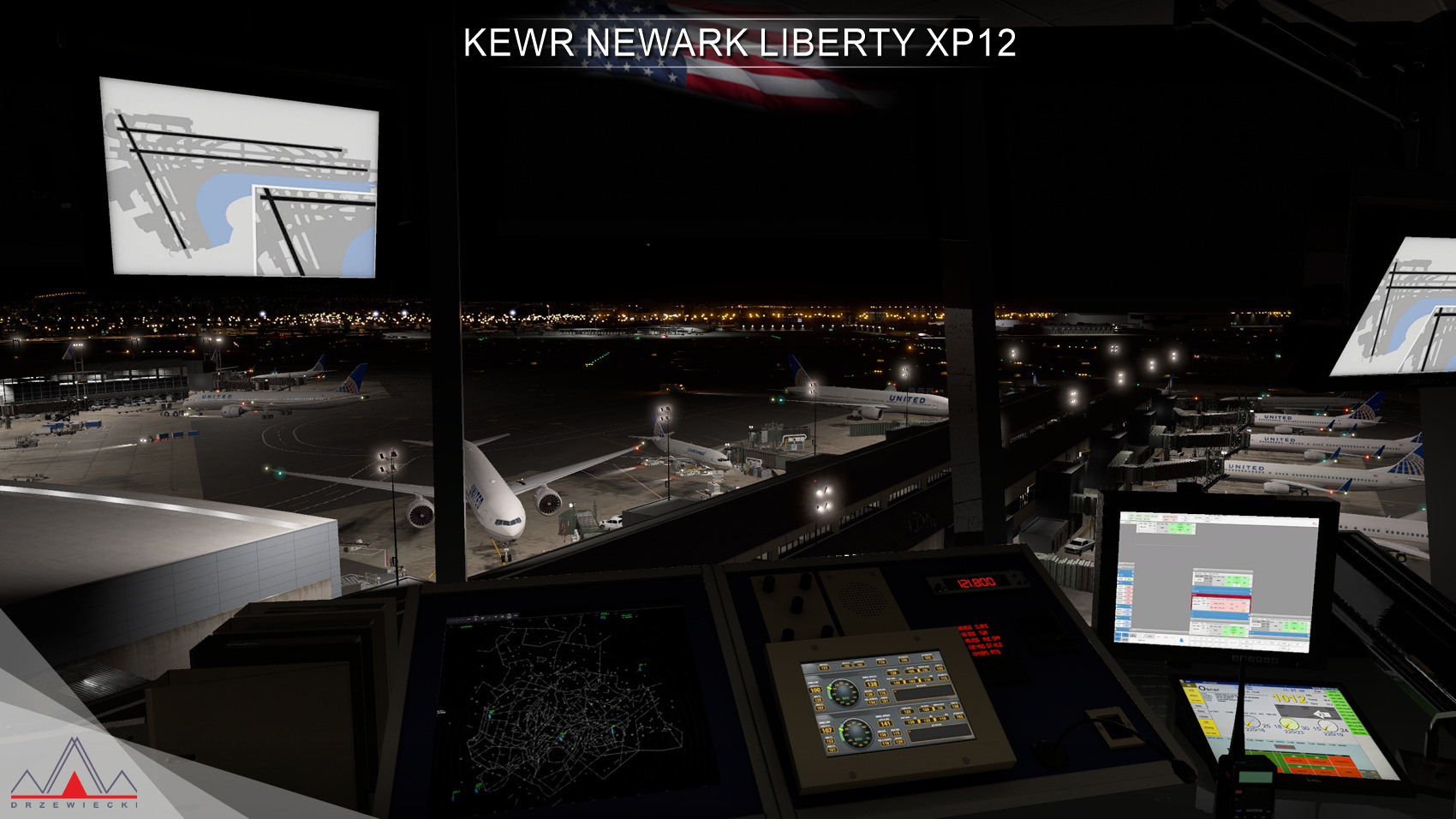
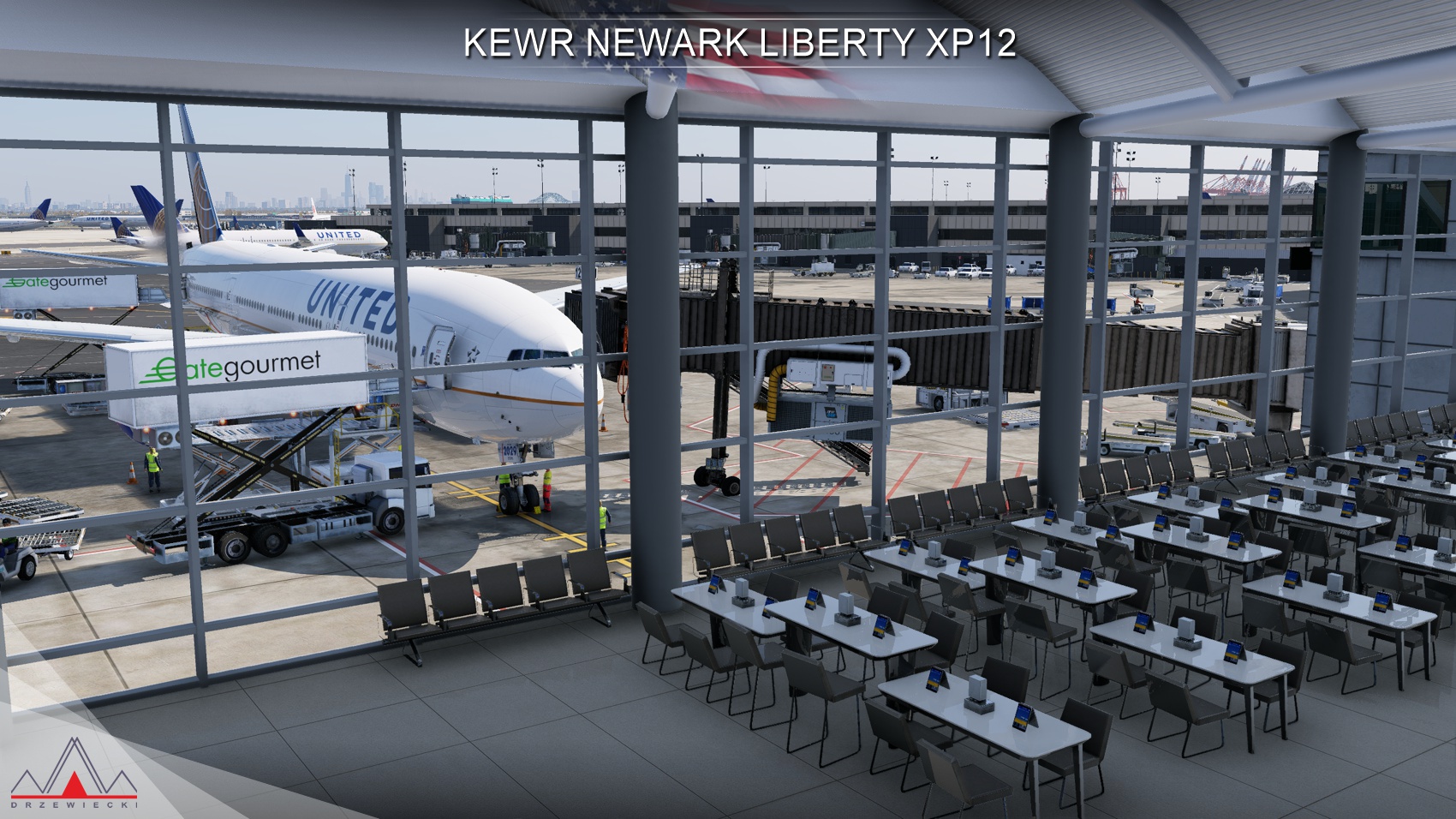
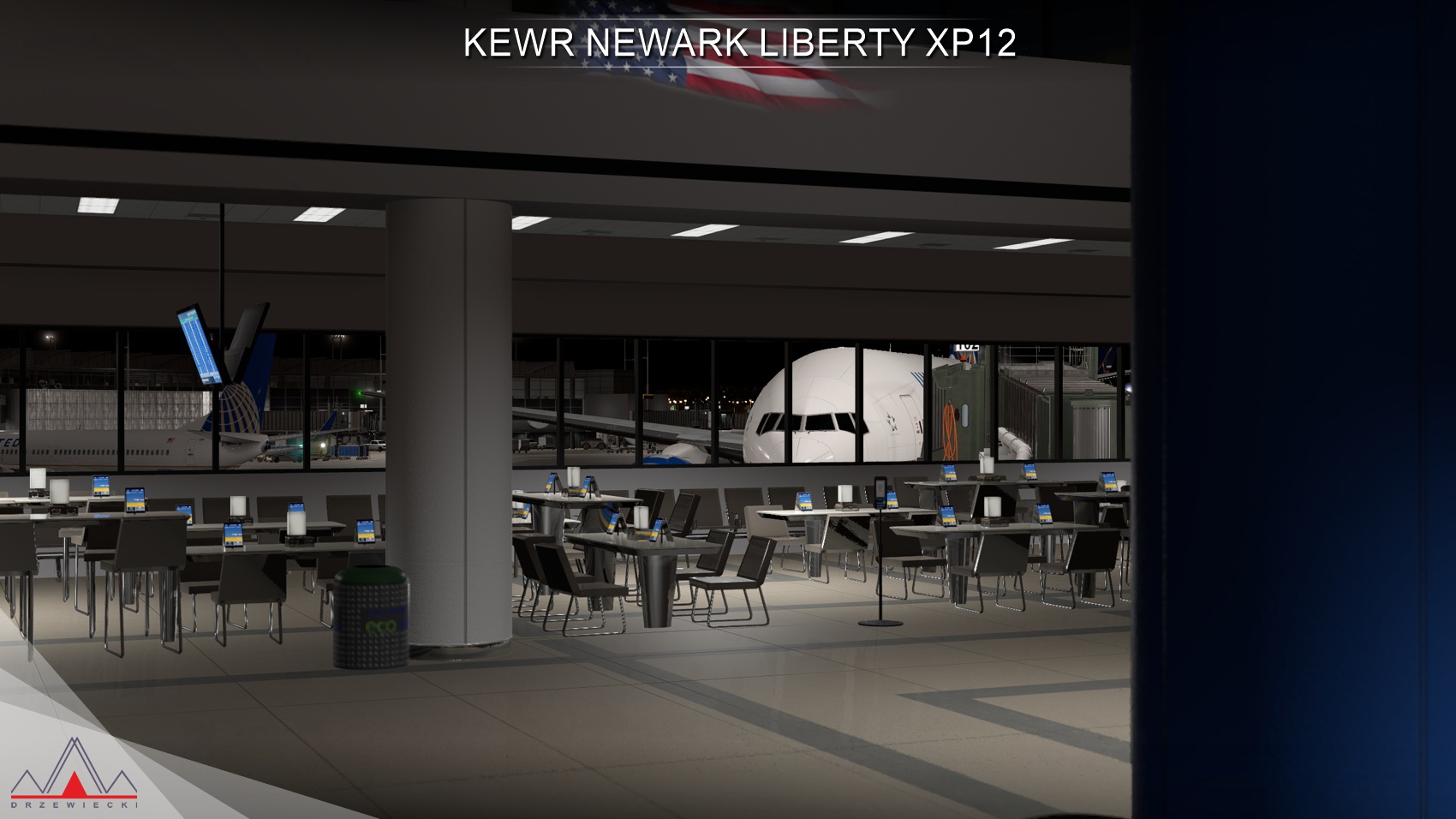
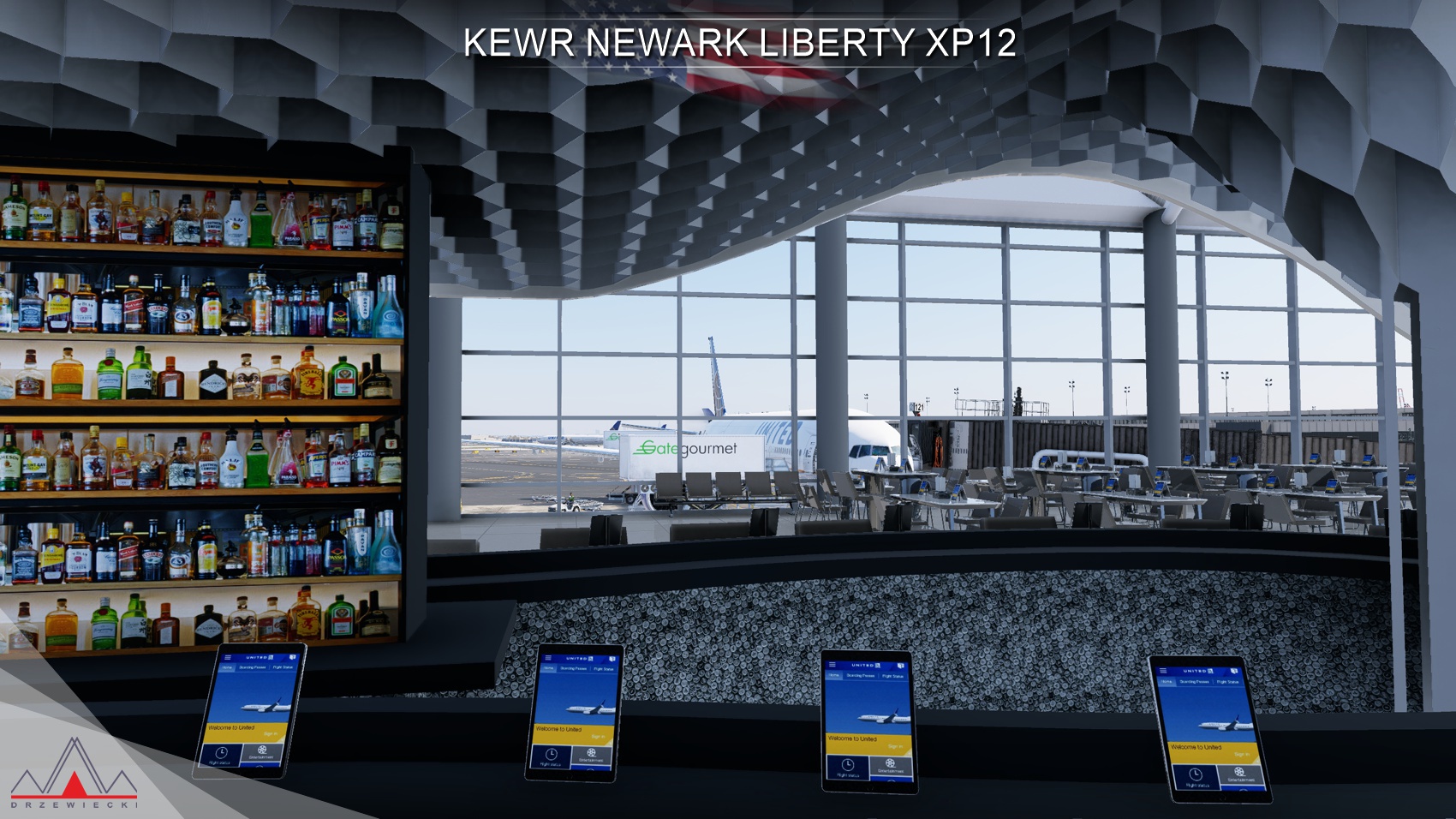
Detailed terminal interiors in selected areas, fully modeled control towers, maintenance facilities, and hangars, all designed with performance efficiency in mind.
Accurate runway and taxiway lighting systems, including ALSF approach lighting, PAPIs, REILs, stop bars, and high-intensity edge lighting.
Fully animated jetways using SAM, custom Visual Docking Guidance Systems (VGDS), animated marshallers, and custom animated ground service vehicles.
Custom ground textures featuring realistic surface wear, rubber deposits, high-resolution apron markings, and up-to-date taxiway geometry and signage.
Optional static aircraft placement optimized for performance.
|
|
|